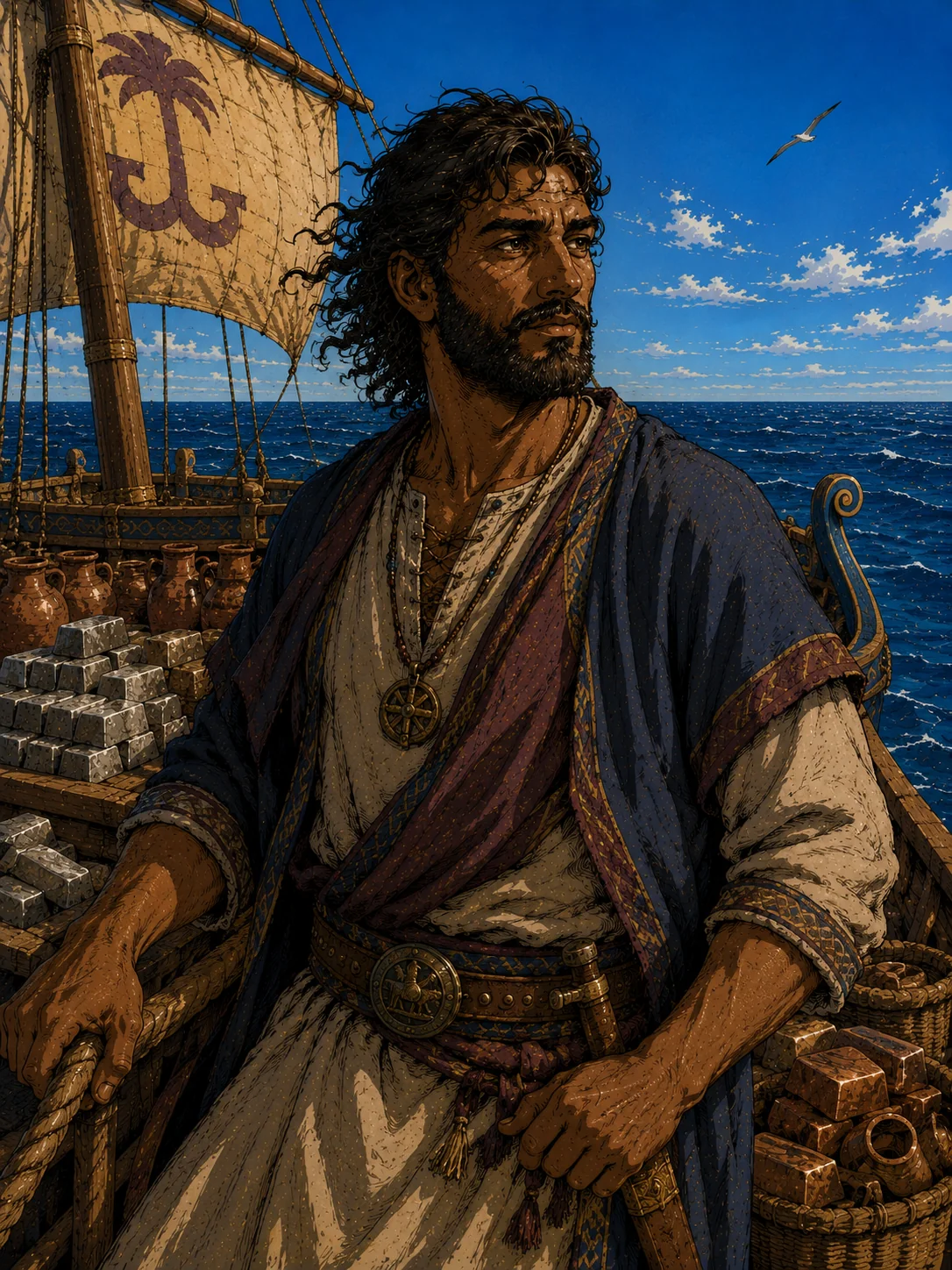
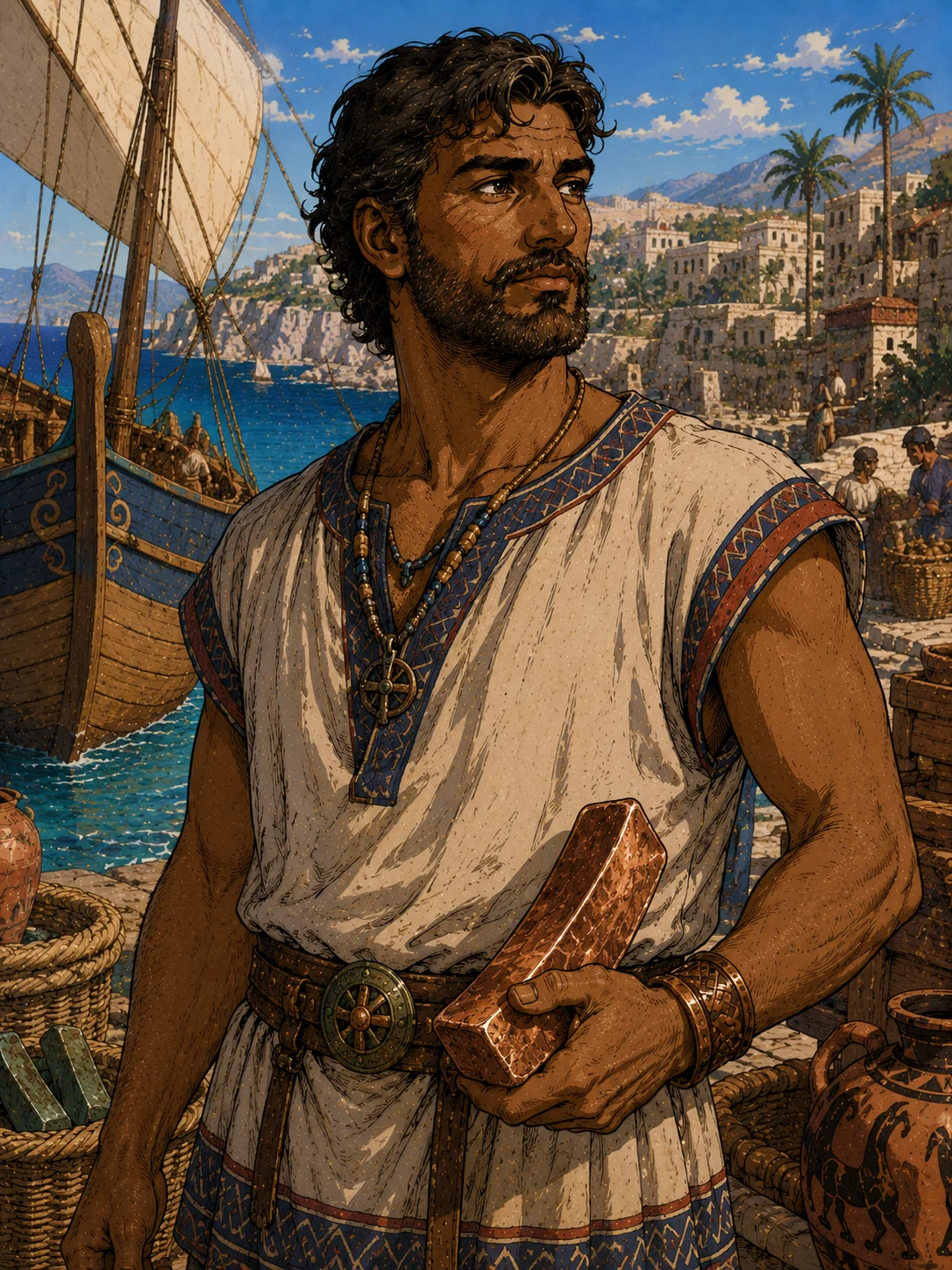
The Table of Nations opens with Japheth's lineage. Genesis 9:24 establishes Ham as Noah's youngest son, placing Japheth and Shem as the elder two. The KJV renders Genesis 10:21 as "the brother of Japheth the elder" — identifying Japheth as firstborn — while other translations read "the older brother of Japheth," making Shem the eldest. The Hebrew (אֲחִי יֶפֶת הַגָּדוֹל — achi Yefet ha-gadol) is genuinely debated; the Table itself presents Japheth's line first. Seven direct sons give rise to fourteen named peoples across two generations, spreading across the coastlands and islands of the ancient world — the Aegean, Anatolia, the Black Sea, and the world to the north and west.
The Hebrew root of Japheth (יֶפֶת, Yefet) is debated. Some derive it from patah (to open wide, to expand), reading Genesis 9:27's blessing — "May Elohim enlarge Japheth" — as a wordplay on his own name. The expansion and geographic spread of Indo-European peoples across Eurasia gives this reading an almost prophetic resonance in hindsight. Others derive the name from yapheh (beautiful), echoing the artistic and architectural heritage of the Greek and Mediterranean worlds that emerged from his line.
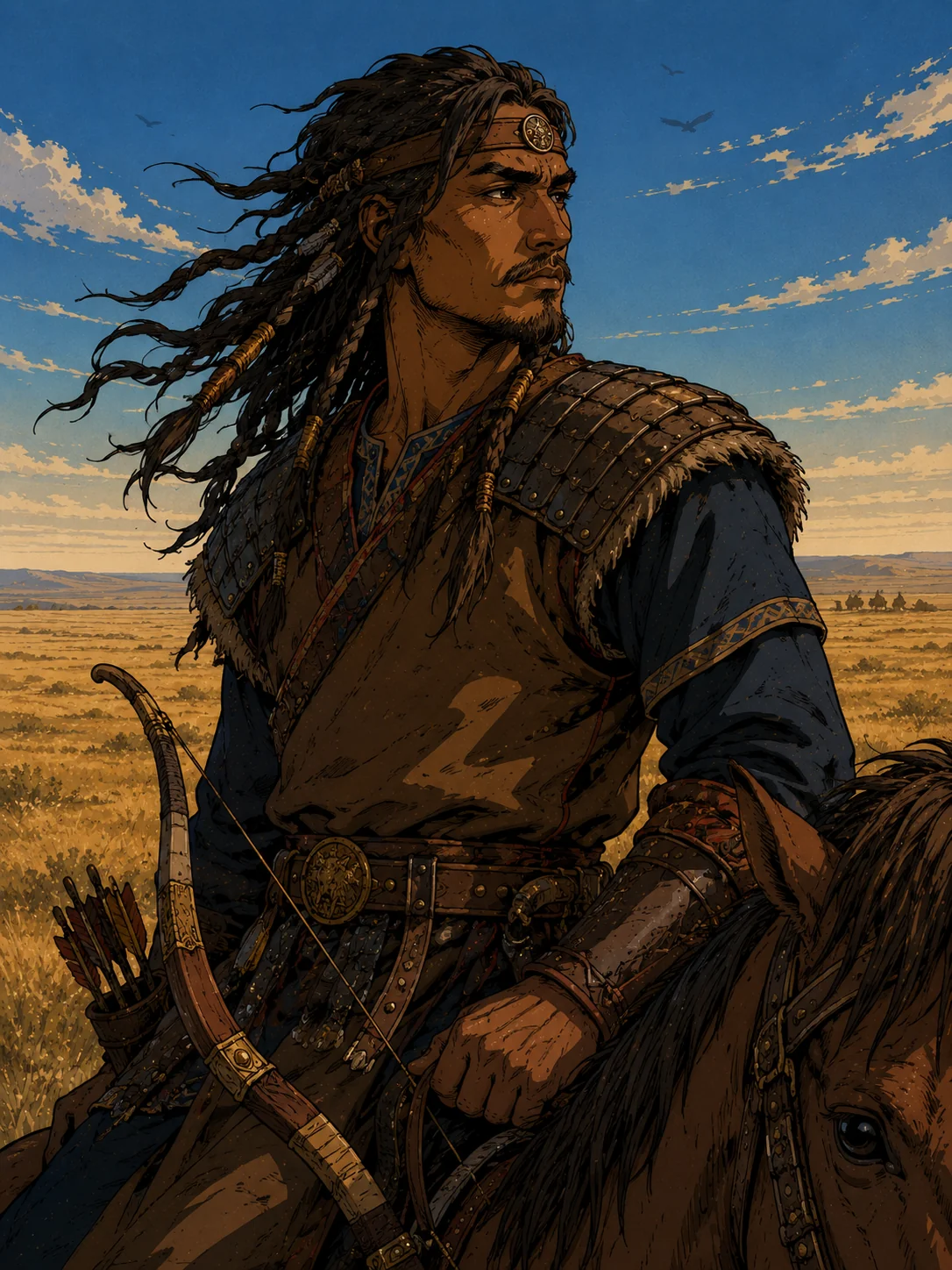
Gomer is the firstborn of Japheth. His identification with the Cimmerians — the ancient nomadic peoples of the Pontic steppe north of the Black Sea — is among the most confident in the Table of Nations. The Assyrians called them Gimirrai. The Cimmerians swept through Anatolia in the 8th–7th centuries BCE, devastating Phrygia (whose king Midas died during the invasion) and threatening Lydia and Urartu before eventually dispersing.
From the Cimmerians branched the ancestors of Celtic, Germanic, and broader European peoples in the broad strokes of ancient ethnic memory. Medieval Welsh tradition identifies Gomer directly as the ancestor of the Welsh people — the Welsh word for Wales, Cymru, is connected etymologically to Gomer in early Welsh chronicle traditions. Ezekiel 38:6 places Gomer in the northern coalition under Gog — the most prominent post-Genesis reference — further confirming a northern European identification.
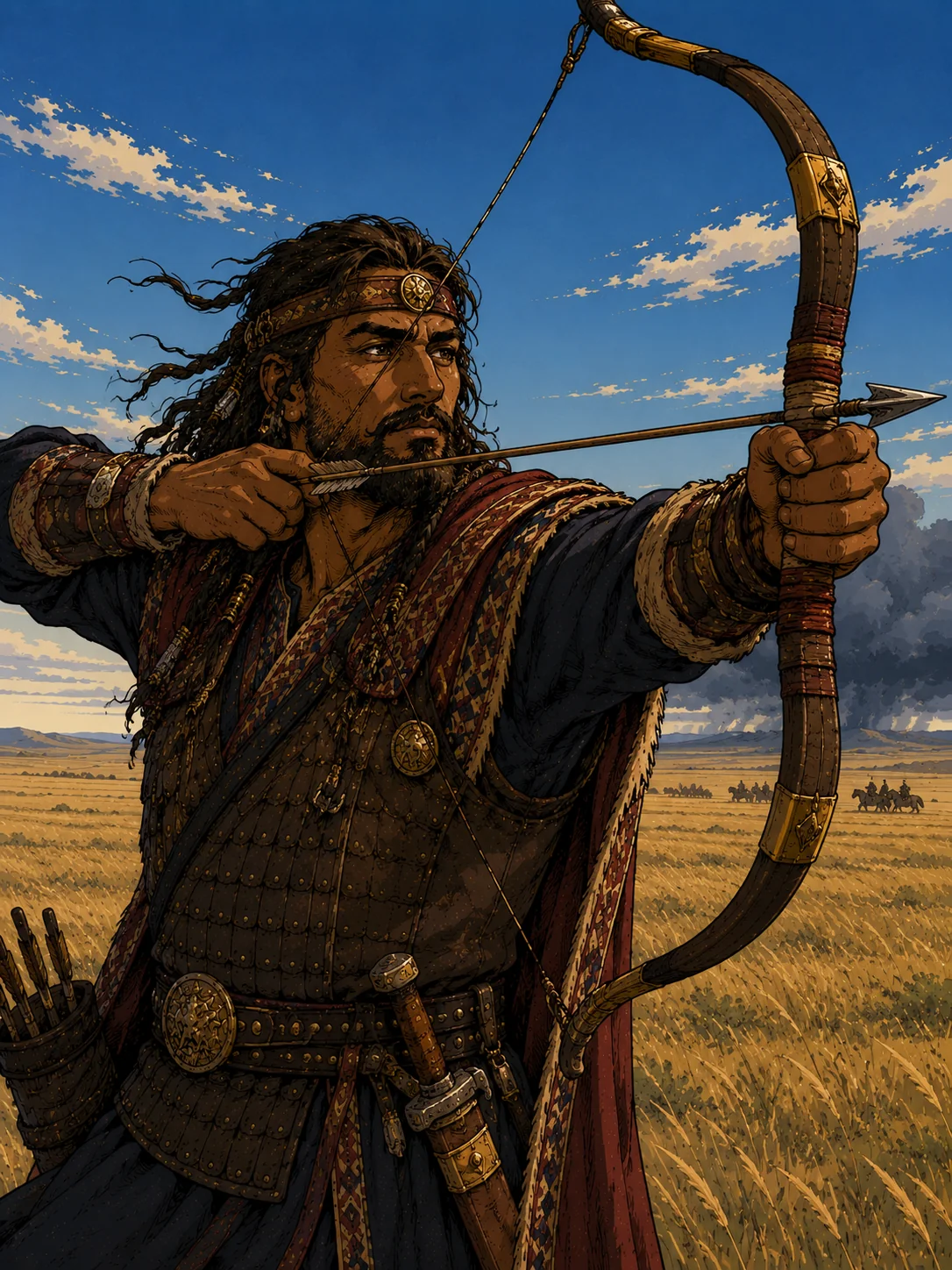
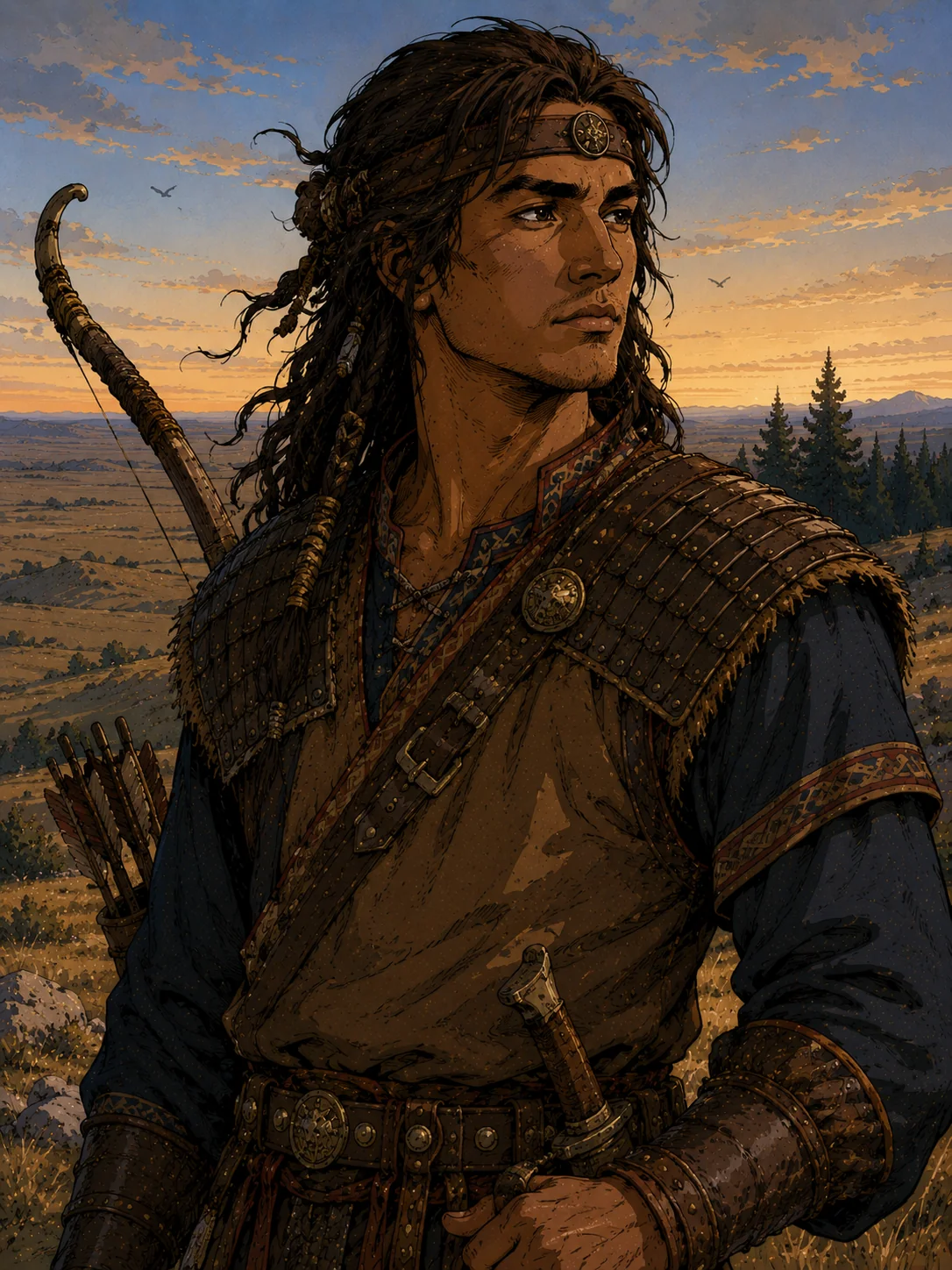
Magog has generated more prophetic speculation than perhaps any other entry in the Table of Nations. In Ezekiel 38–39, Gog "of the land of Magog" leads a great northern coalition against Israel in the latter days. This reference, more than any historical identification, has made Magog a fixture of end-times theology across Jewish, Christian, and even Islamic traditions.
Historically, the Scythians are among the most favored candidates — the nomadic Iranian peoples of the Eurasian steppe who posed a constant threat to the civilizations of the ancient Near East. Josephus identified Magog with the Scythians. Other scholars have proposed the Saka (eastern Scythians), or various Central Asian peoples. Medieval European traditions sometimes connected Magog to the Mongols after the devastation of the 13th-century Mongol invasions. The geographic direction — north, from the perspective of Israel — remains consistent across all serious candidates.
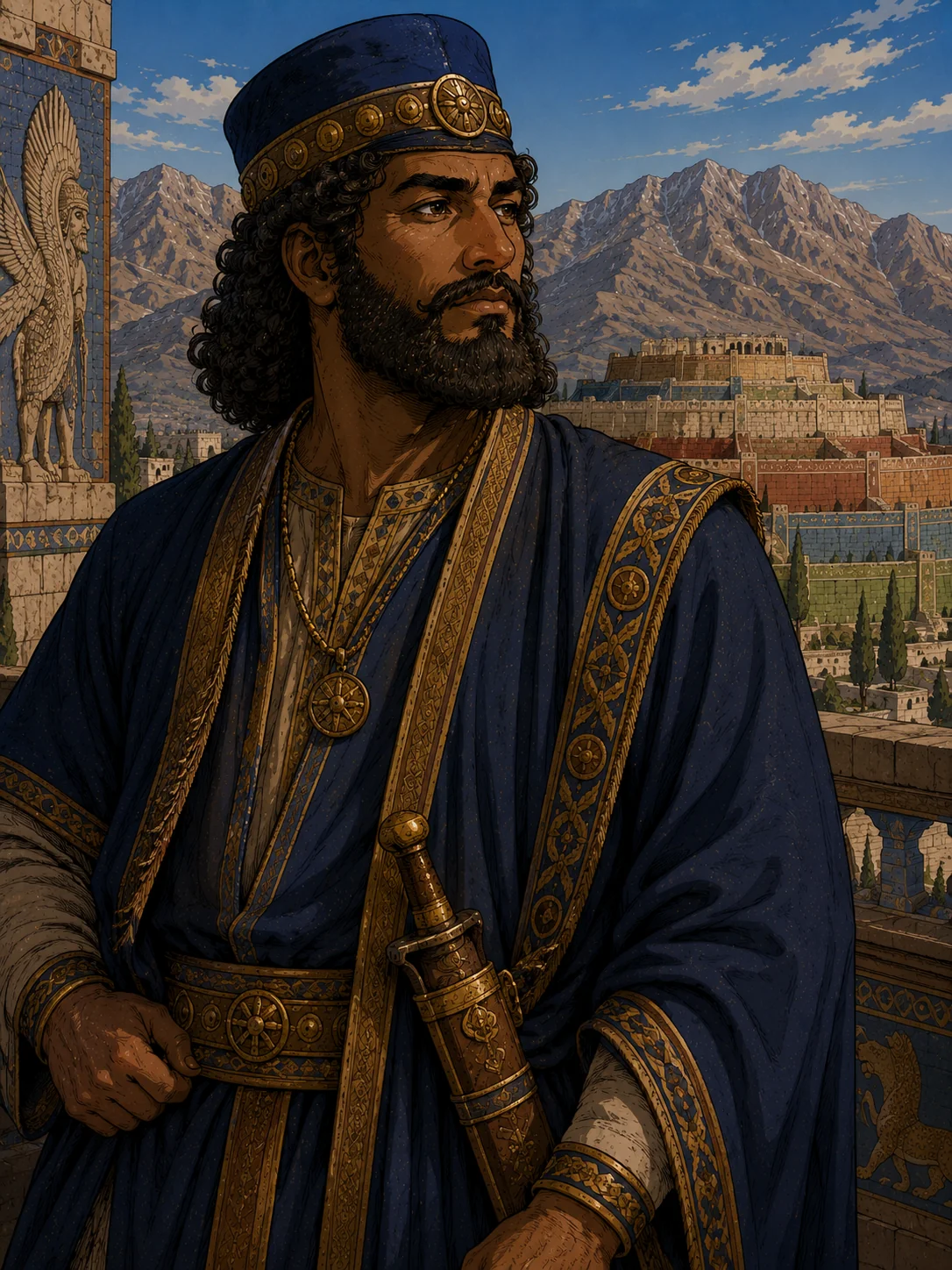
Madai is identified with near-certainty as the Medes — the great Iranian people of western Iran who, in alliance with Babylon, destroyed the Assyrian empire and brought Nineveh to rubble in 612 BCE. The Medes are mentioned extensively in the prophets, particularly in connection with the fall of Babylon: Isaiah 13:17 and Jeremiah 51:11, 28 specifically name the Medes as the instruments of Babylon's destruction.
The Median empire was eventually absorbed into the Achaemenid Persian empire under Cyrus the Great, whose mother was herself a Median princess. The composite identity — Medo-Persian — explains why Daniel and Esther reference "the law of the Medes and Persians." Modern Iranians, particularly the Kurdish peoples of northwestern Iran, are considered among the descendants of the ancient Medes.
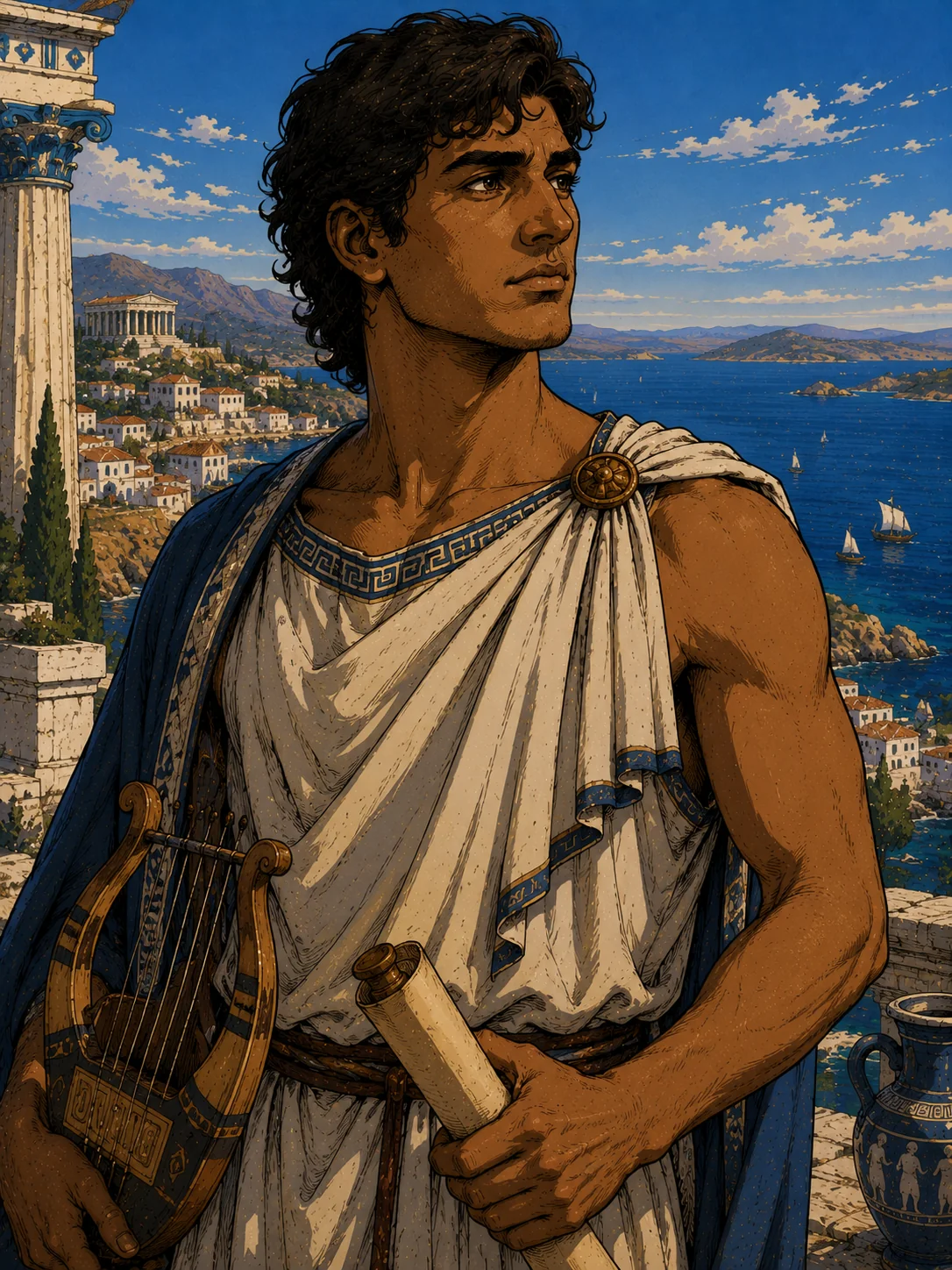
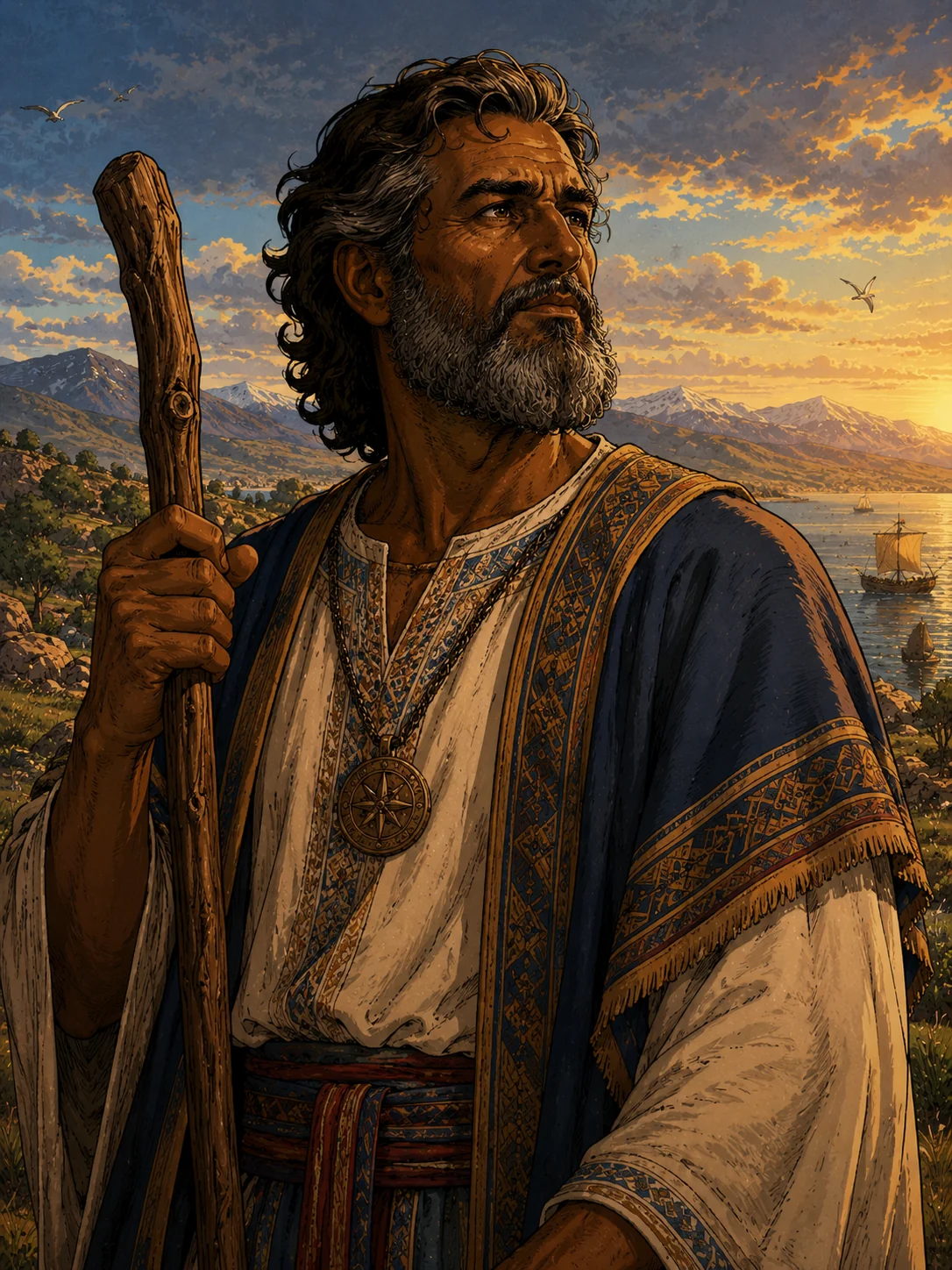
Javan is identified with certainty as the Greeks — specifically the Ionians, the major Greek ethnic group of the Aegean coast. The word Yavan (יָוָן) is still the Hebrew name for Greece today, preserved across three thousand years of continuous use. The Akkadian Iamnaya, the Persian Yauna, and the Sanskrit Yavana all derive from the same root — the ancient Ionians who colonized the coastlands of the Aegean and beyond.
Daniel 8 and 11 use Yavan to describe explicitly the Greek empire of Alexander the Great — one of the clearest prophetic identifications in all of Scripture. Greece's four sons — Elishah (possibly Elis or Aeolis), Tarshish (Tartessos/southwestern Spain), Kittim (Cyprus/Rome), and Dodanim (Rhodes) — describe the far reach of Greek maritime civilization, from the Levant to the western Mediterranean.
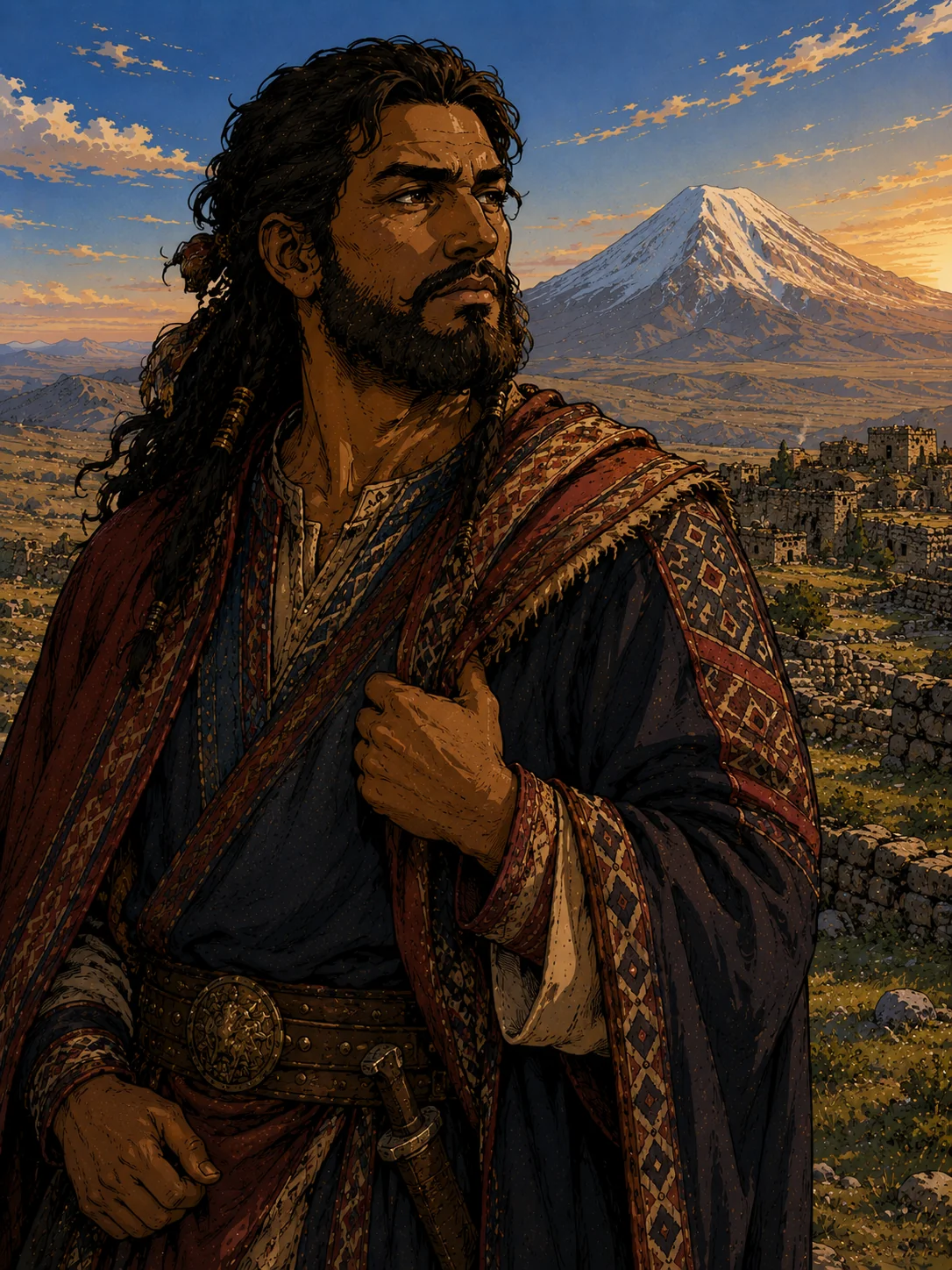
Tubal is consistently paired with Meshech in the prophetic literature and appears to identify a people of eastern Anatolia, possibly related to the ancient Tabali known from Assyrian records — a confederation of neo-Hittite states in south-central Turkey. Ezekiel mentions Tubal and Meshech together as traders in bronze and human slaves (27:13) and as participants in the Gog coalition (38:2–3; 39:1).
Medieval traditions, particularly in Eastern European and Georgian chronicle literature, associated Tubal with the ancestor of the Iberian/Georgian peoples — the historical kingdom of Caucasian Iberia (modern eastern Georgia) was known in classical sources as the land of the Tibareni/Tabal.
Meshech, always appearing alongside Tubal, is identified with the Muski/Mushki of Assyrian records — a powerful Anatolian people associated with ancient Cappadocia (central Turkey) and the Moschoi of classical Greek sources. Josephus connected them to the Cappadocians. Their territory appears to have been in the highland interior of Anatolia, distinct from the coastal Greeks.
Some modern interpreters have attempted to connect Meshech and Tubal to Moscow and Tobolsk (Russia) due to perceived phonetic similarity — an identification rejected by serious scholarship as it requires ignoring the clear ancient Near Eastern attestation of both names in Assyrian texts and the geographic context of Ezekiel.
Tiras is the most obscure of Japheth's seven sons. The most widely accepted identification is with the Tyrsenoi/Tyrrhenians — the ancient name for the Etruscans, the pre-Roman civilization of the Italian peninsula. The Tyrrhenian Sea (Tyrshenian) preserves their name. The Etruscans were known in the Greek world as the Tyrsenoi, and their origin was debated in antiquity — Herodotus claimed they came from Lydia in Anatolia, which would place them in precisely the right geographic context for Japheth's descendants.
Josephus identified Tiras with the Thracians, providing an alternative but also plausible eastern European identification.
The 14 nations of Japheth's line — 7 sons plus 7 grandsons (3 through Gomer, 4 through Javan) — describe a world stretching from the Aegean coast to the Eurasian steppe, from the Mediterranean islands to the Iranian plateau. Together they represent what later scholarship would call the Indo-European and northern Semitic worlds: Greeks, Persians, Medes, Cimmerians, Scythians, Phrygians, and the peoples of the northern coastlands.
The prophetic literature of the Hebrew Bible uses these names with geographic precision. Ezekiel's vision of Gog and Magog (chapters 38–39) assembles a northern coalition drawn almost entirely from Japheth's line: Gomer, Togarmah, Tubal, Meshech, and Magog. Daniel's visions name Madai (Medes) and Yavan (Greece) as the successive world empires. The Table of Nations is not merely antiquarian — it is the geographic frame within which all of Israel's history unfolds.