✡ Hebroni

News & Articles

Language, history, Torah — long reads about the world the scripture came out of and the people it was written for.

✡ Articles
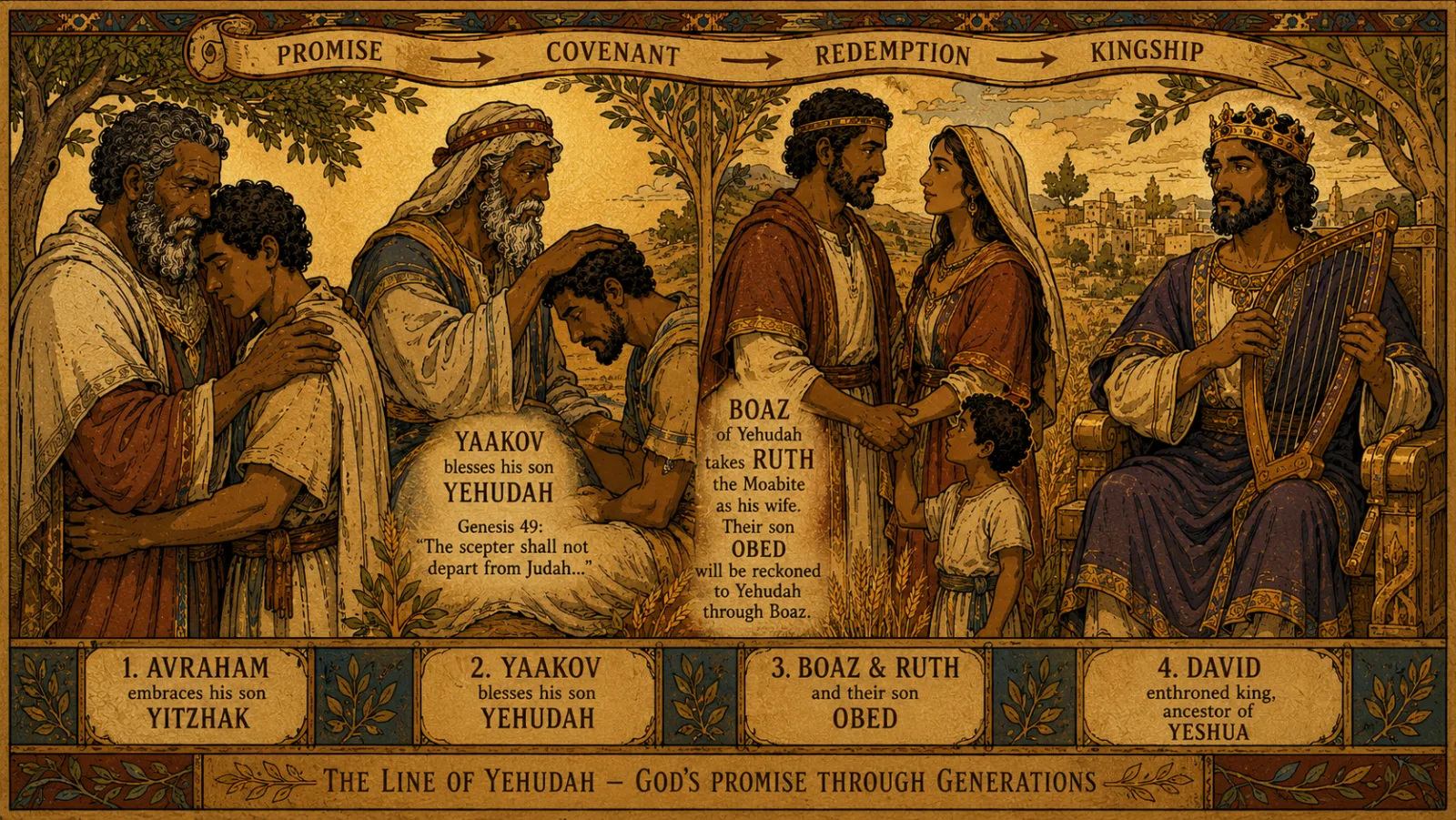
Of the Seed of David — the patrilineal lineage from Avraham to David
Lineage  ·  Identity
Of the Seed of David
Matthew traces Yeshua father to son — forty-two generations. Paul says born of the seed of David, according to the flesh. So why does Jewish identity pass through the mother today? Two real frameworks, examined honestly.
Read article →
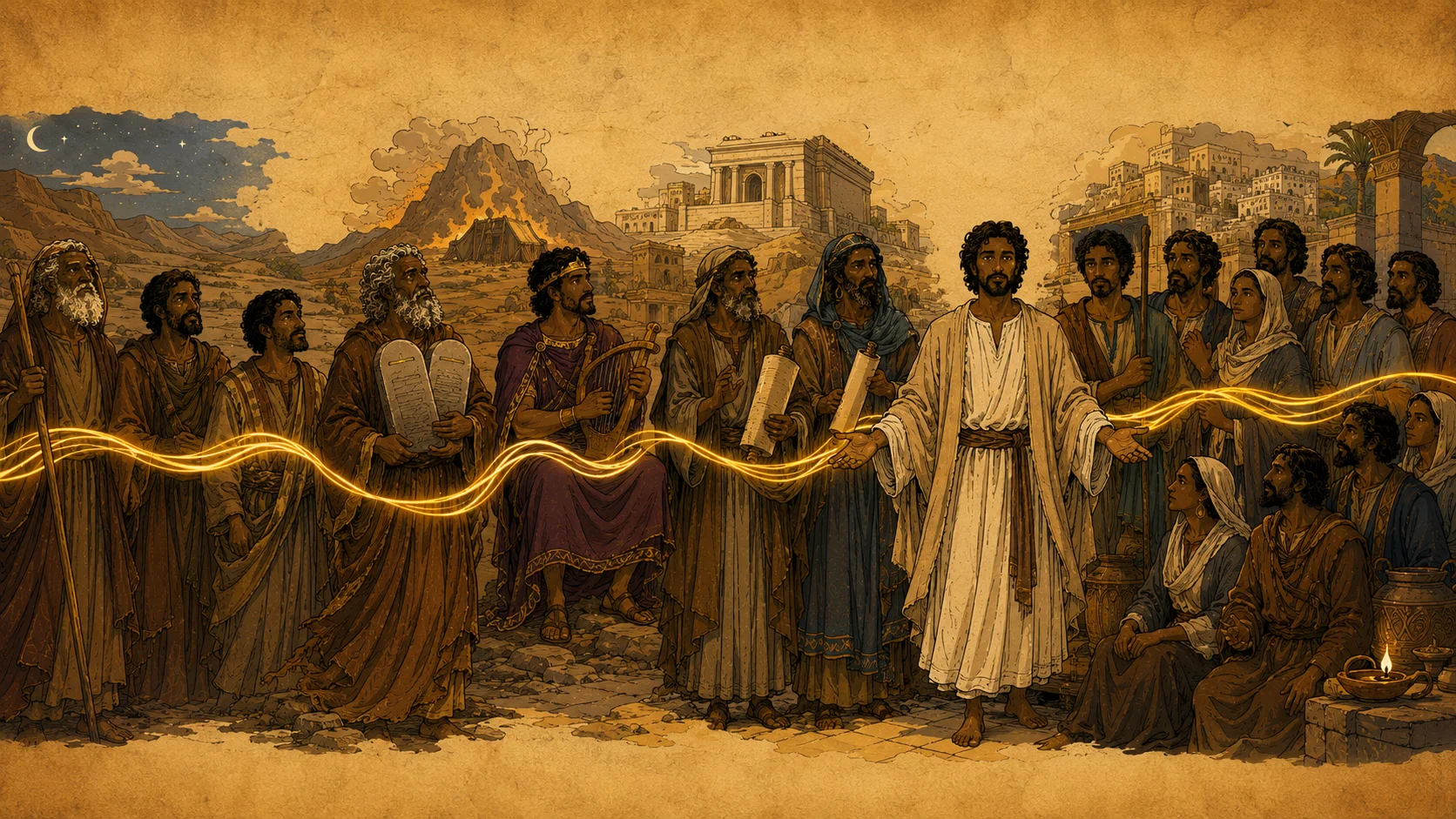
The unbroken chain of Israel across scripture — from the patriarchs through Moshe, David, the prophets, and Yeshua
History  ·  Identity
Who Are the Israelites? The People at the Center of the Entire Bible
The Bible is the story of one specific people — the descendants of Yaakov, organized through twelve tribes, scattered and gathered across four thousand years. A foundational reading of who they are and why the framework matters for every reader of scripture.
Read article →
The apple of his eye — the Hebrew word ishon, the pupil, Deuteronomy 32:10
Scripture  ·  Identity
The Apple of His Eye: Yah's Most Intimate Description of the Nation He Chose
The Hebrew word is אִישׁוֹן — ishon, the pupil, not an apple. The most protected point on the human body. Deuteronomy 32:10 says Yah kept Israel as his pupil. Zechariah 2:8 says whoever touches Israel touches the pupil of his eye.
Read article →
Deuteronomy 28 — the curses, the prophecy, and the way back to the covenant
Torah  ·  Covenant
Deuteronomy 28: The Curses, the Prophecy, and the Way Back
Fourteen verses of blessing. Fifty-four verses of curse. A verse-by-verse reading of the Torah's longest covenant chapter — including the deeper Hebrew of verse 68's "no redeemer" — and the return path Moses names in the very next chapter.
Read article →
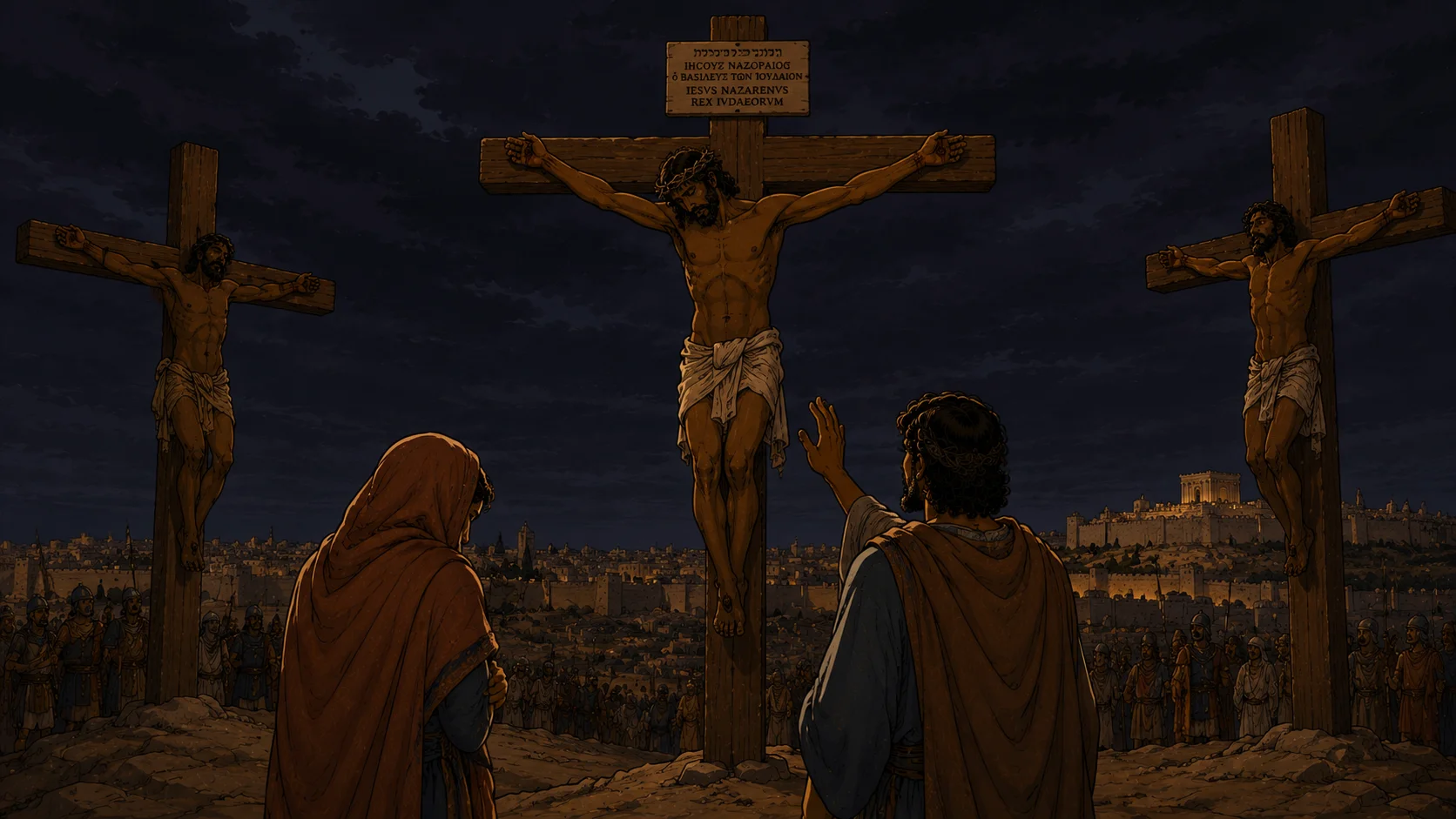
Jesus's last days — the crucifixion at Golgotha, the prophecies, and the 70 CE warnings
Scripture  ·  History
Jesus's Last Days: The Prophecies, the Crucifixion, and the Warnings He Gave
Isaiah 53, Psalm 22, Daniel 9:26, Zechariah 12:10 — four texts that named what would happen before it happened. The Passover week sequence, the signs at Golgotha, and the Luke 21 warning about 70 CE.
Read article →
Lost sheep and grafted branches — Matthew 15:24 and Romans 11
Scripture  ·  Identity
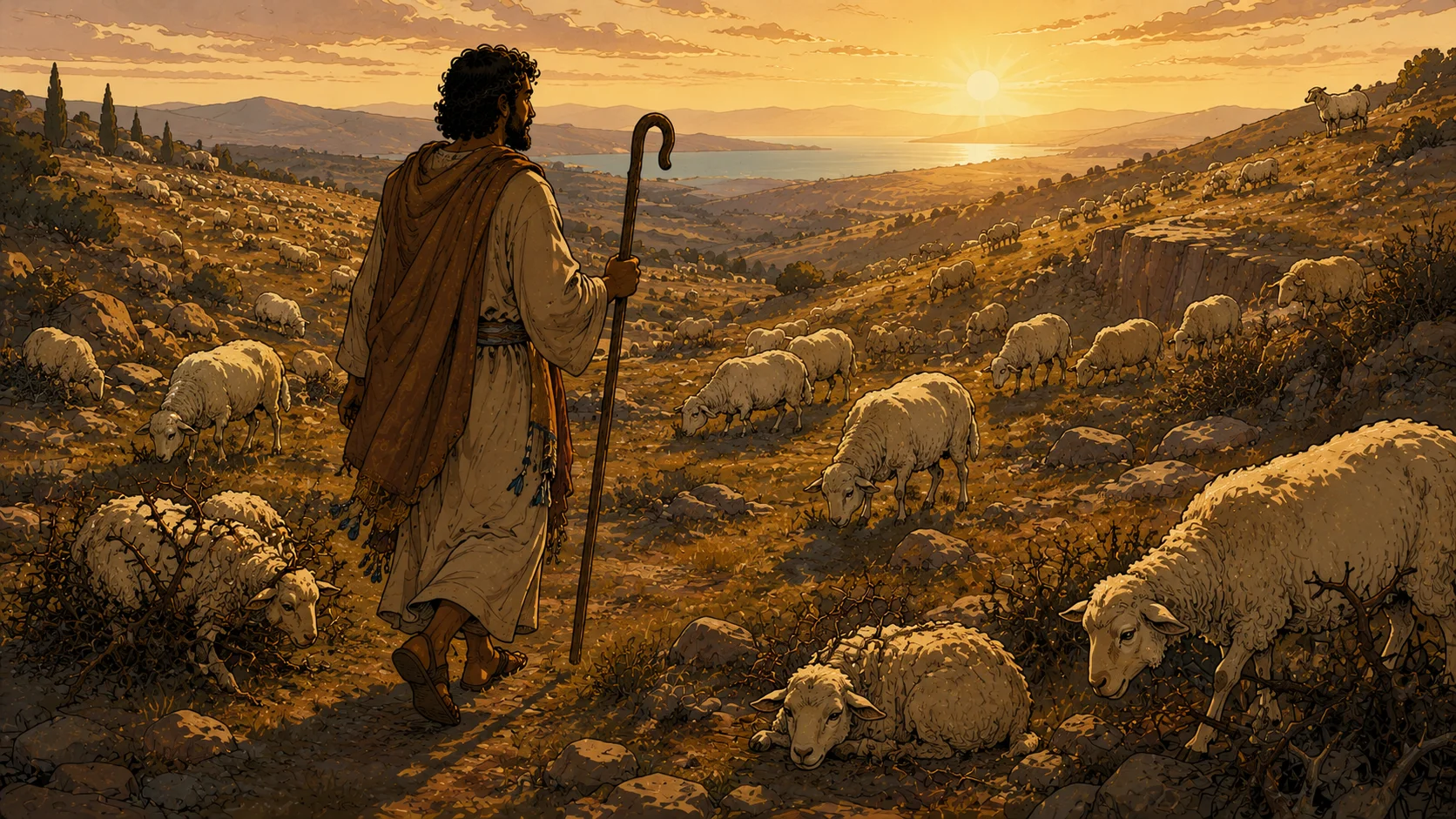
Lost Sheep and Grafted Branches: Who Did Yeshua Come to Save?
"I was not sent except to the lost sheep of the house of Israel." Matthew 15:24, Yeshua's own words. Romans 11's olive tree explains how the nations enter — not as a replacement, but grafted into Israel's own covenant tree.
Read article →
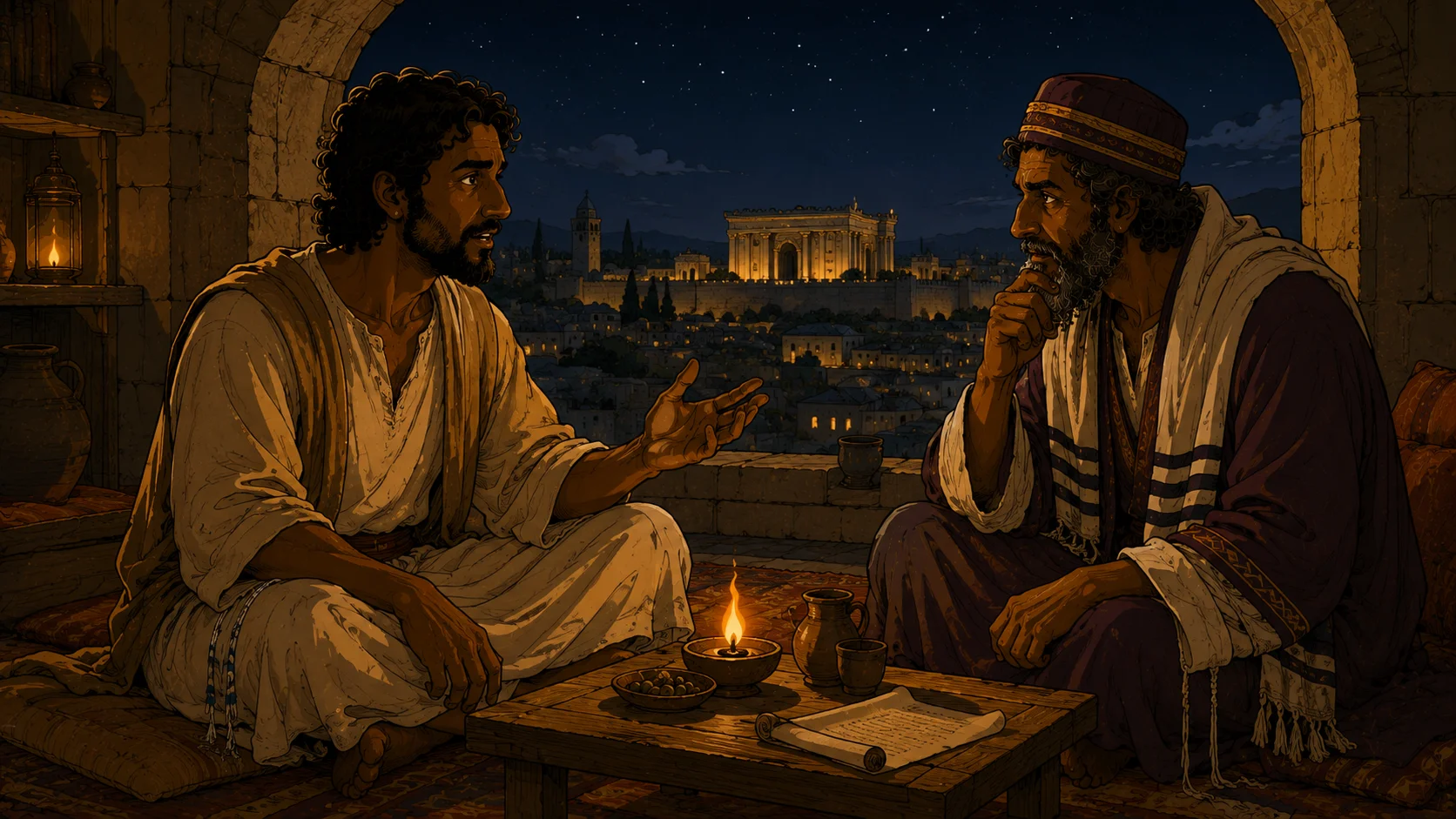
Yeshua and Nikodemos in a private nighttime dialogue — the setting of John 3:16
Gospel  ·  Covenant
John 3:16 Explained: The Verse Everyone Quotes and Almost No One Reads
The most-cited verse in the New Testament, read in its own paragraph for once — the bronze serpent of Numbers 21, the Greek kosmos, the midnight dialogue with Nikodemos, and what the verses right before and after it actually say.
Read article →
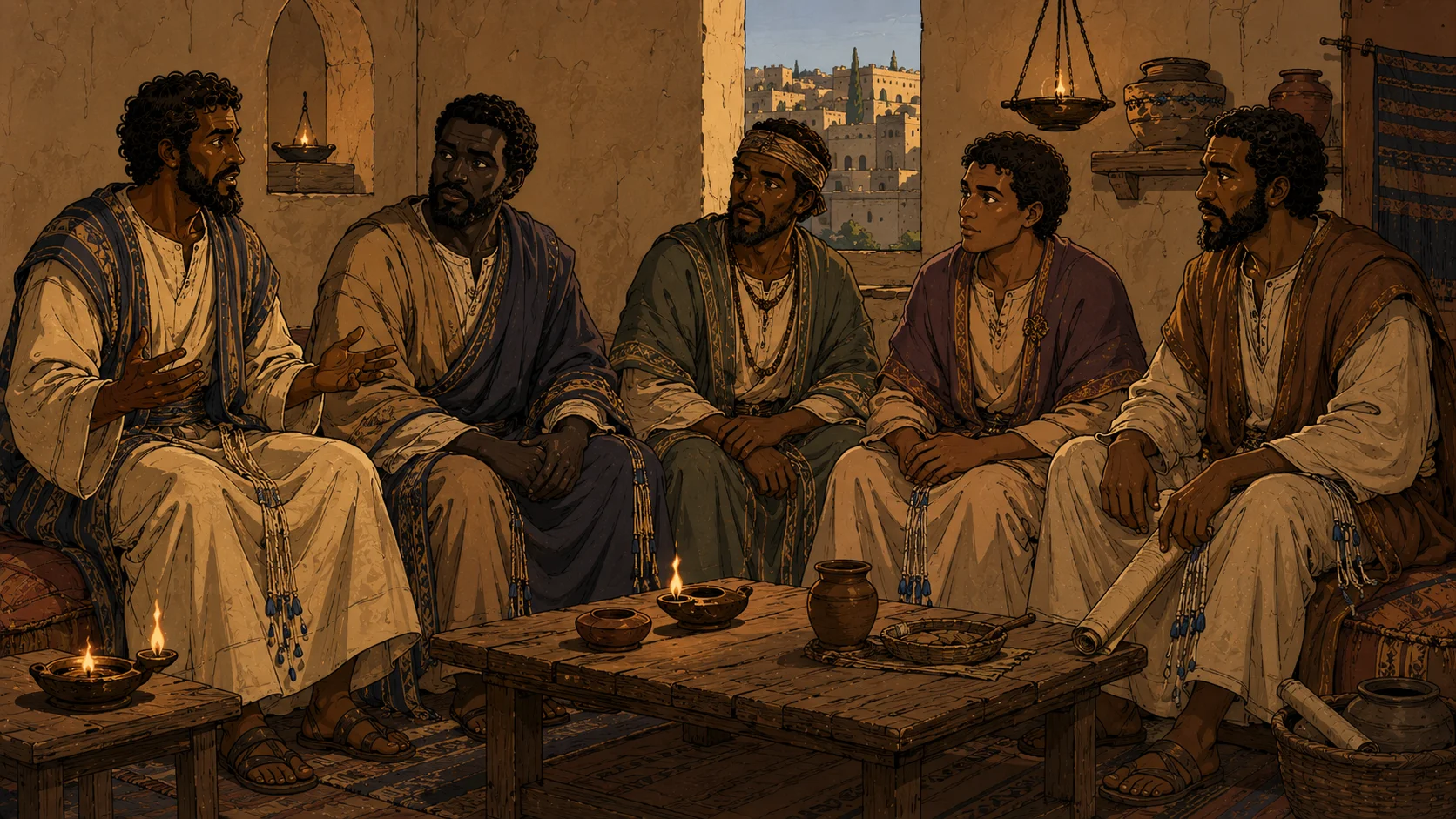
The first Christians — the Antioch assembly of Acts 13:1
History  ·  Identity
The First Christians: Who They Were, What They Practiced, and What Changed
The community first called Christian was in Antioch (Acts 11:26). Its leaders included Simeon called Niger — a Black African prophet — and Lucius of Cyrene. They kept the Sabbath, the Hebrew calendar, and the commandments. Here is what changed under Constantine.
Read article →
The Arzareth Question — the ten tribes crossing the Euphrates
History  ·  The Lost Tribes
The Arzareth Question
Assyria carried the ten tribes off in 722 BCE. They never came back. 2 Esdras says they crossed a river into a land called Arzareth — "another land." Two thousand years of searching, told straight.
Read article →
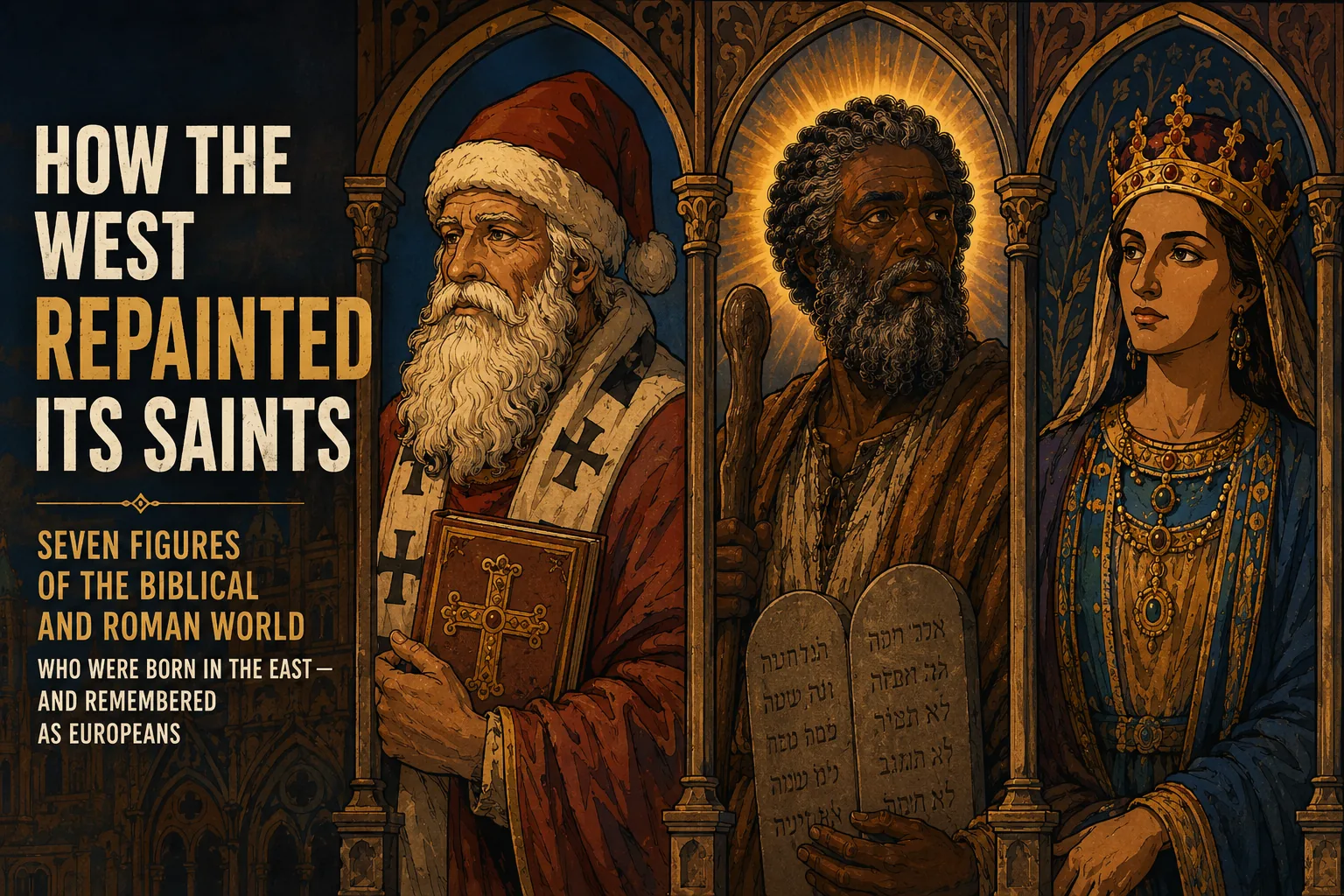
How the West Repainted Its Saints
History  ·  Identity
How the West Repainted Its Saints
Augustine was Berber. Nicholas was Anatolian. Simon of Cyrene was African. Moses was Hebrew. Jesus was a Galilean Jew. Seven figures of the biblical East — and how the West painted their origins away.
Read article →
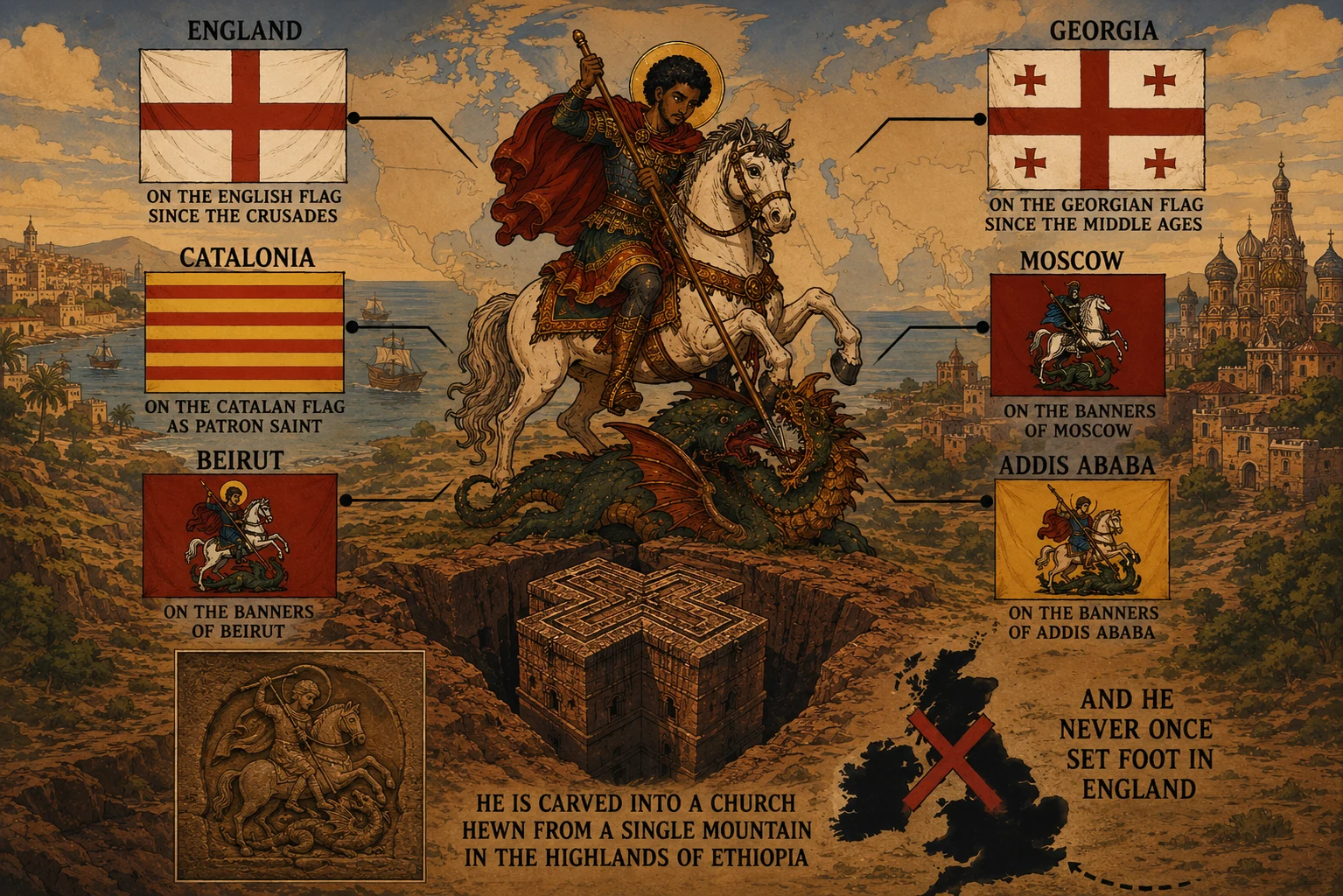
Saint George Was Never English
History  ·  Identity
Saint George Was Never English
He is on the English flag. He was never English. Born in Anatolia, raised in the land of Israel, buried at Lydda — and still venerated in the rock churches of Ethiopia.
Read article →
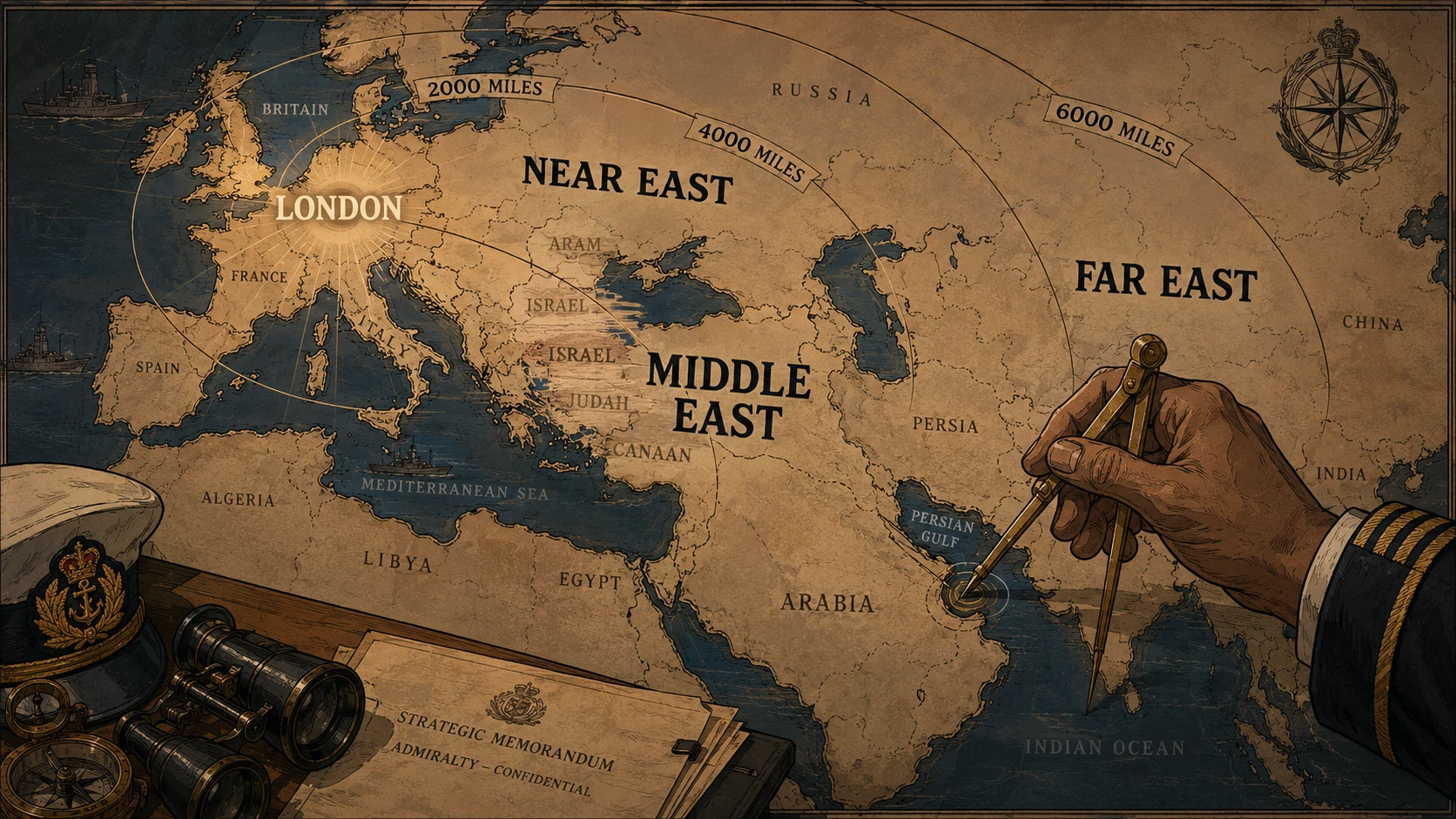
Since When Was There a Middle East?
History  ·  Identity
Since When Was There a "Middle East"?
The name is barely a hundred years old — coined in 1902 by an American naval officer measuring ancient land by its distance from London. And the people there today are not simply the people of the Bible.
Read article →
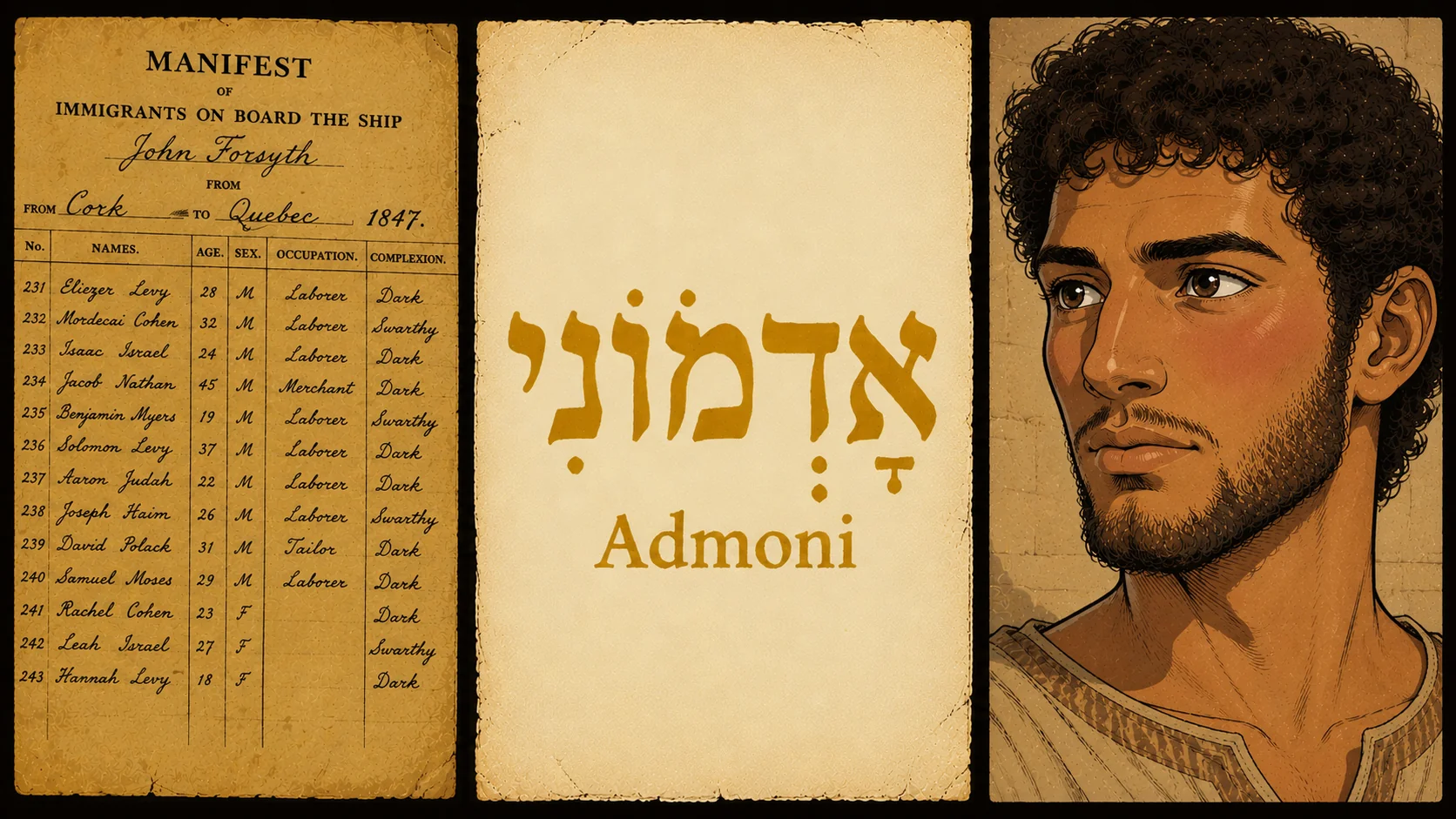
Were the Irish Black? Admoni — Esau, David, and 1847 ship manifests
Language  ·  History
Were the Irish Black? What 1847 Ship Manifests and the Hebrew Word Admoni Tell Us About Esau
In 1847 Irish immigrants were officially recorded as swarthy and dark. The Hebrew word admoni appears three times in the Bible — for Esau and for David. Here is what both tell us about reading ancient complexion.
Read article →
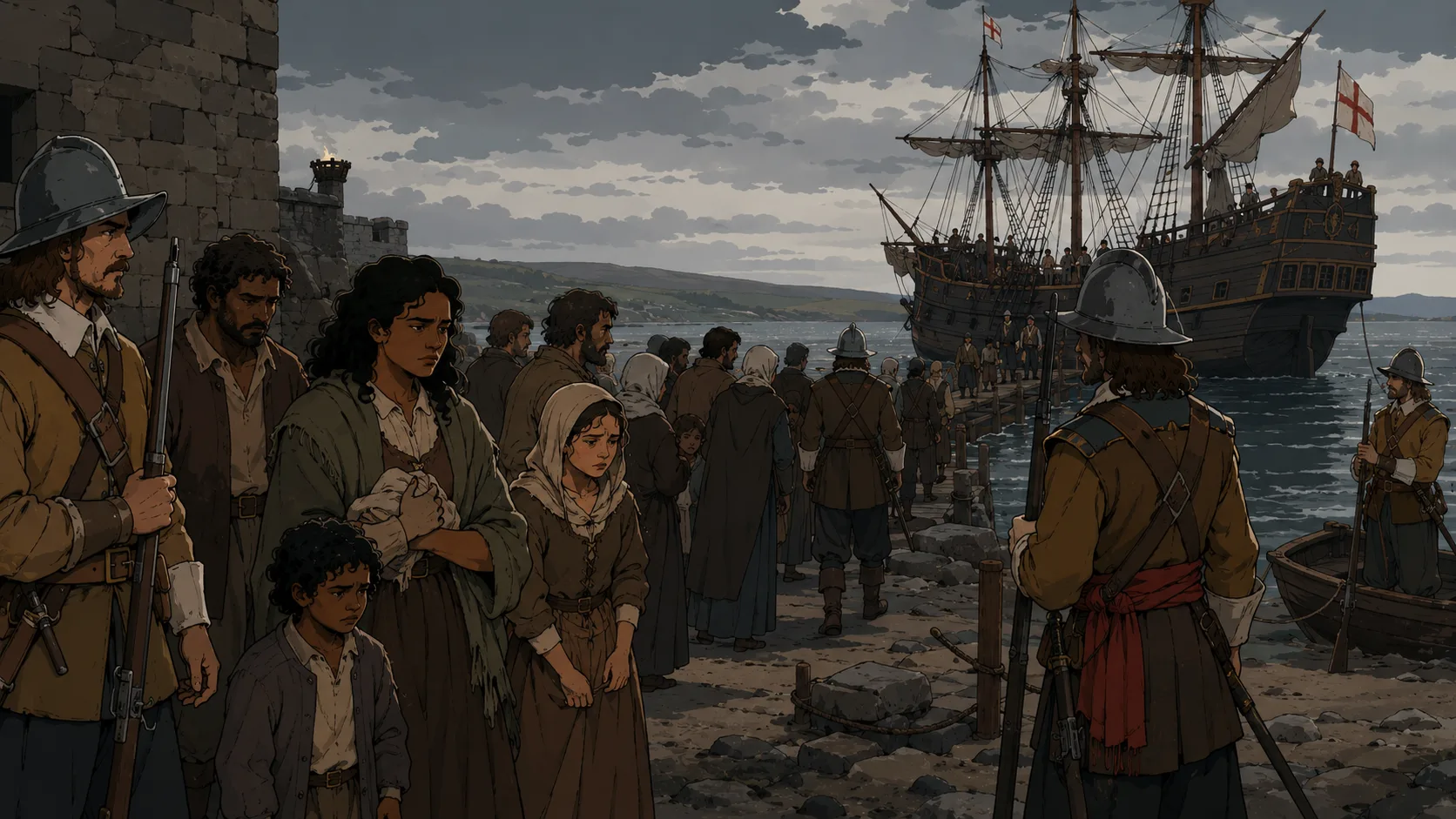
Cromwellian transportation — Irish deportees loaded onto transport vessels bound for Jamaica, 1652–1658
History  ·  Diaspora  ·  Caribbean
Whence the Black Irish of Jamaica
In the 1650s, Cromwell transported tens of thousands of Irish and Scots to Jamaica. A Jesuit priest documented what became of them. Isaiah 11:11 named the islands as gathering points.
Read article →
The Five Books of Moses Are Not Five Books
Language  ·  Torah Foundation
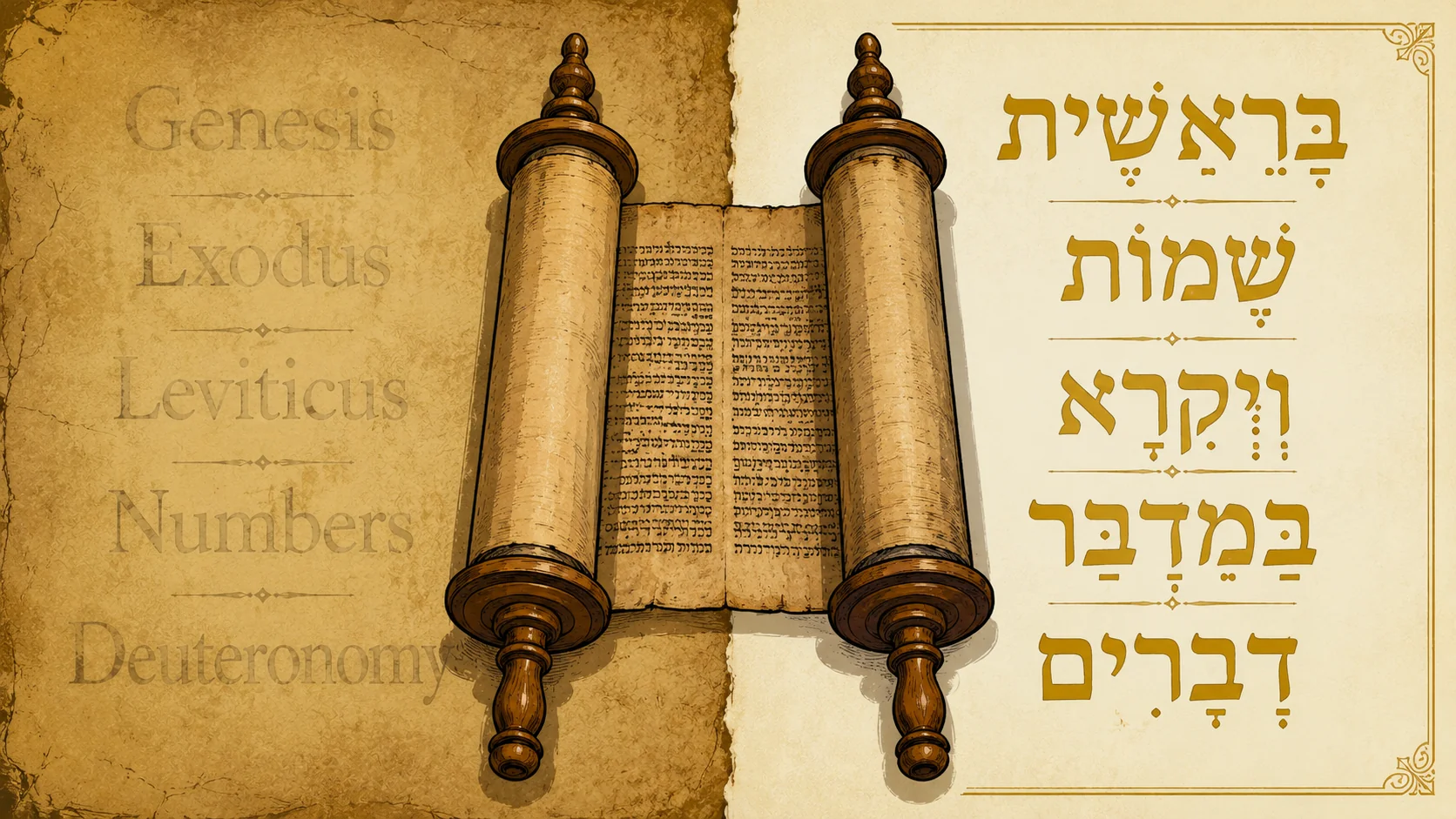
The Five Books of Moses Are Not Five Books — What the Hebrew Names Actually Say
Genesis, Exodus, Leviticus, Numbers, Deuteronomy are Greek names imposed from outside the text. The Hebrew names — Bereshit, Shemot, Vayikra, Bamidbar, Devarim — are drawn from the first words each book speaks, and they say something completely different.
Read article →
Ladino and the Scattered Israel
Language  ·  Diaspora
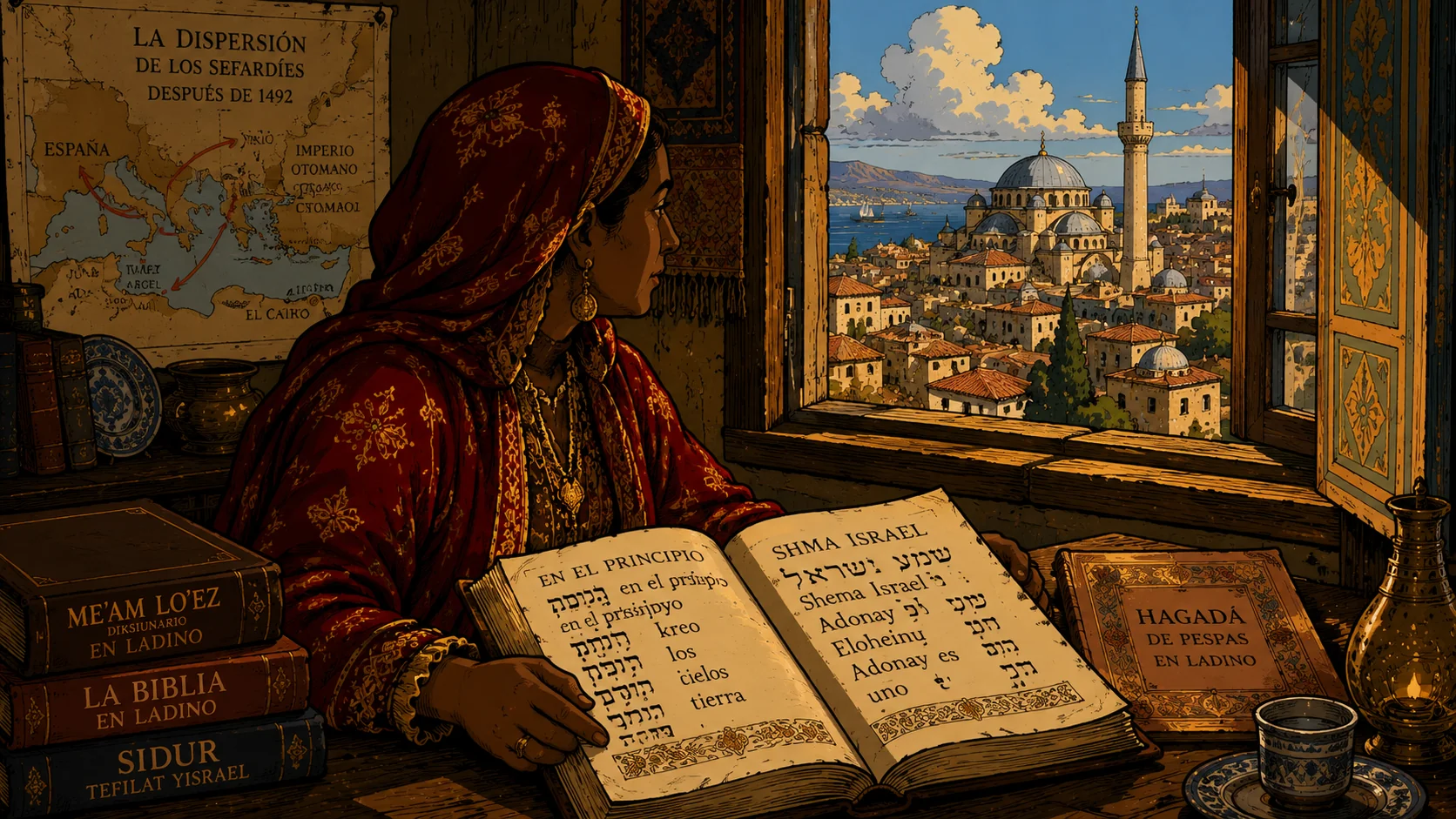
Ladino and the Scattered Israel
The Judeo-Spanish language carried by Sephardic Jews across the Mediterranean — a living record of exile, Torah, and the persistence of Israel's identity through centuries of displacement.
Read article →
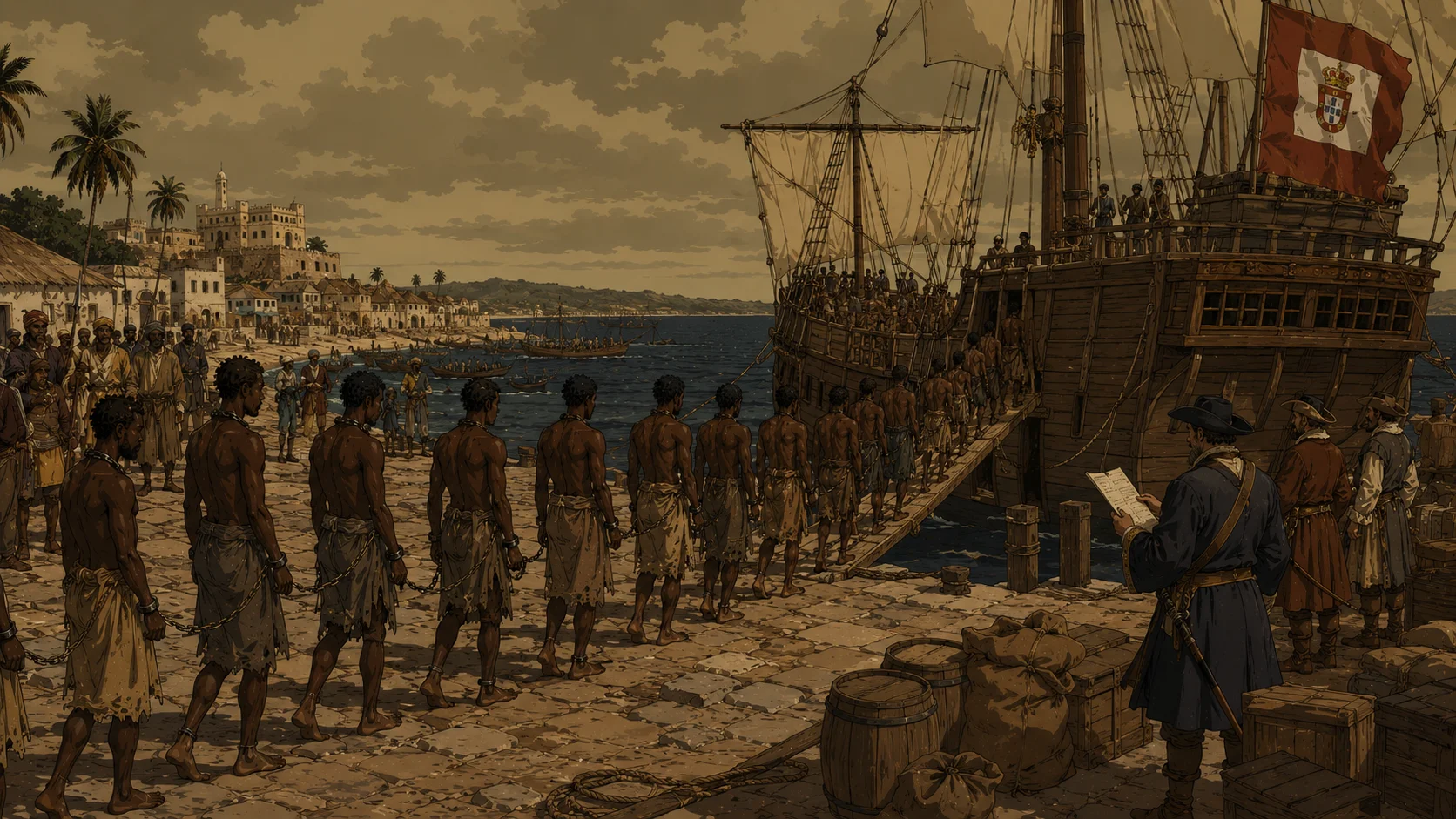
The Slave Bible vs the full King James Bible
History  ·  Diaspora  ·  Scripture
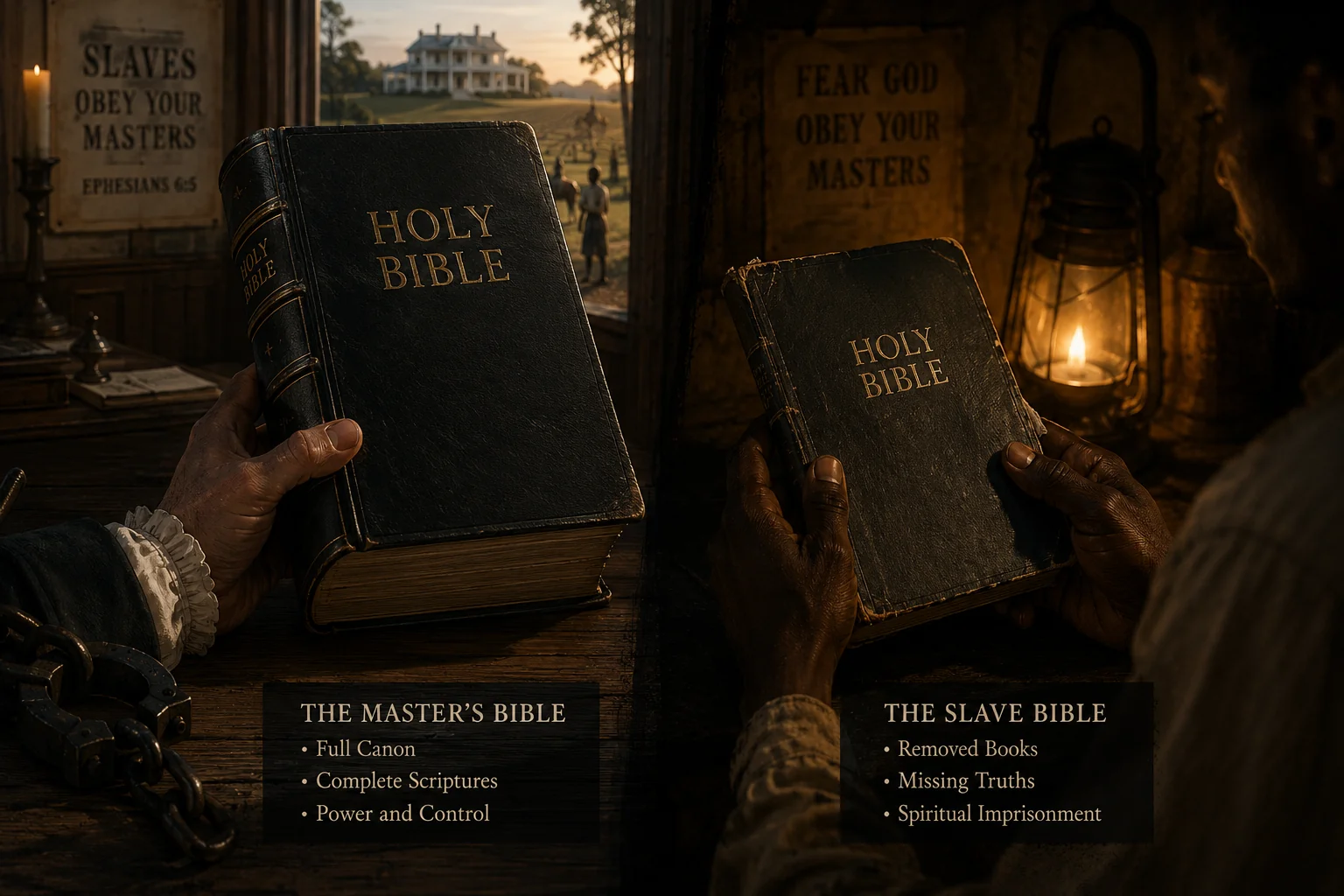
The Slave Bible: What They Removed From the Word of God
In 1807 colonial authorities published a Bible with 90% of the Old Testament removed — no Exodus, no Deuteronomy 28, no liberation. A history of what was cut, who cut it, and why.
Read article →
Hello or Shalom — the meaning of the Hebrew word shalom
Language  ·  Torah Vocabulary
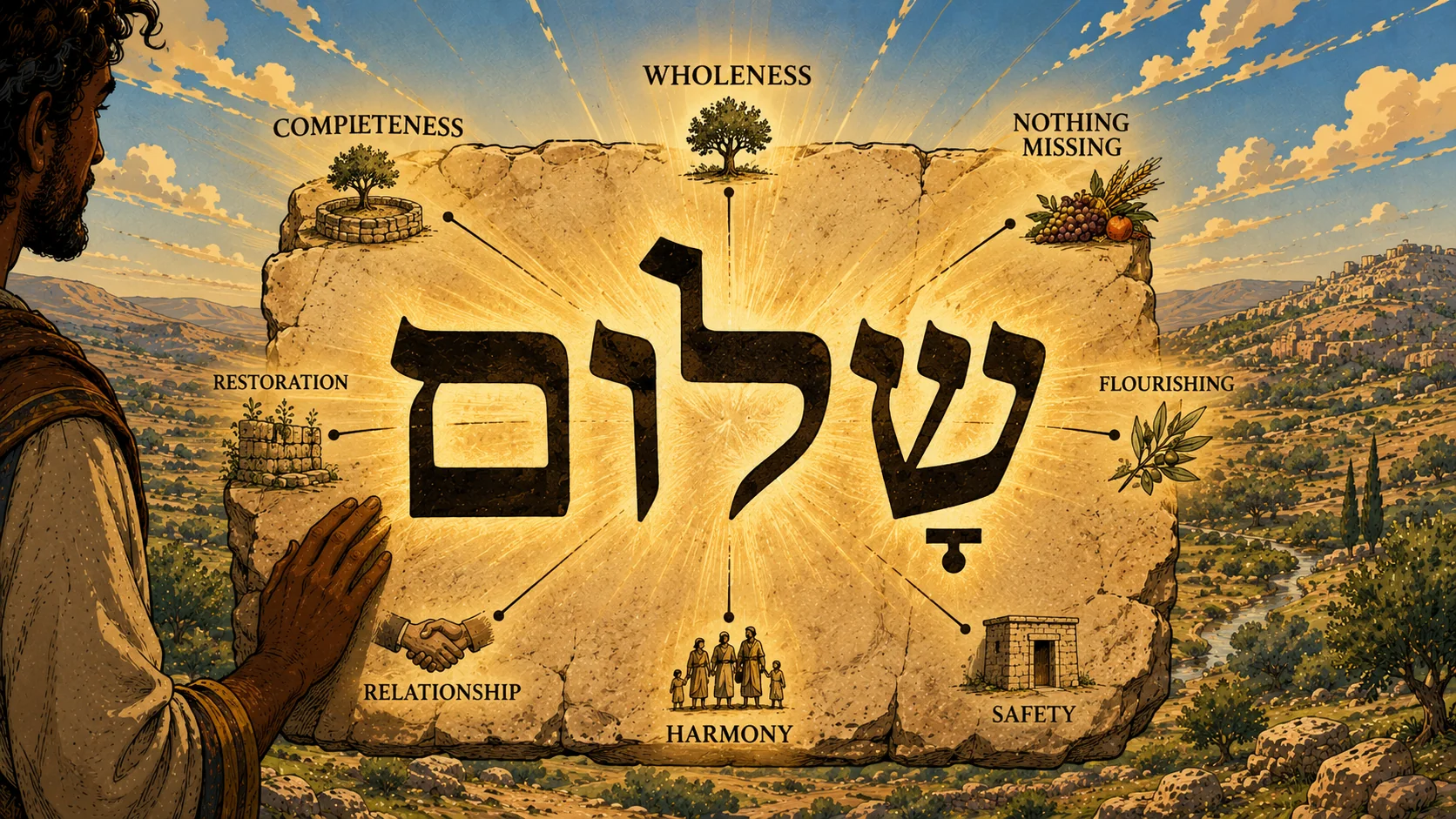
Hello or Shalom? — The Hebrew Word the World Pronounces but Doesn't Know
Shalom means far more than hello. The root shalem — wholeness, completeness, nothing missing — changes how you read every covenant promise in the Torah.
Read article →
Who Were the Pharisees
History  ·  Scripture
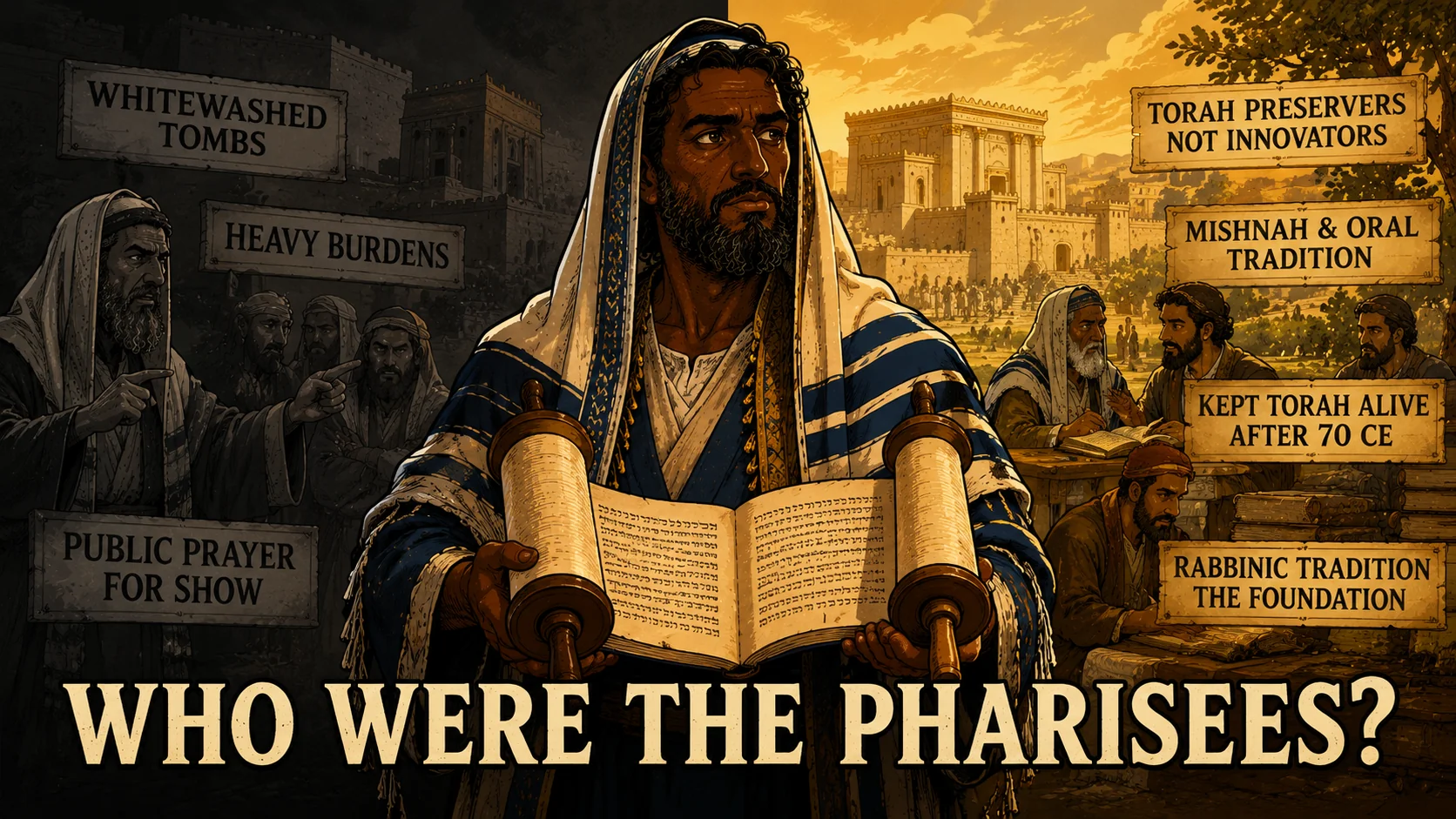
Who Were the Pharisees? — The Complicated Truth About the Torah's Keepers
The New Testament presents them as antagonists. History shows they kept the covenant alive after the Temple fell. What the text actually says, what history shows, and what their mirror reveals about us today.
Read article →
✡ Blog
The Hebrew Alphabet — all 22 letters
Language  ·  Alphabet
The Complete Hebrew Alphabet: All 22 Letters, Names & Sounds
Every letter of the Hebrew alphabet — name, sound, meaning, numerical value, and a Torah word example. The definitive beginner's guide to reading Biblical Hebrew.
Read article →
What Is Biblical Hebrew?
Language  ·  Foundation
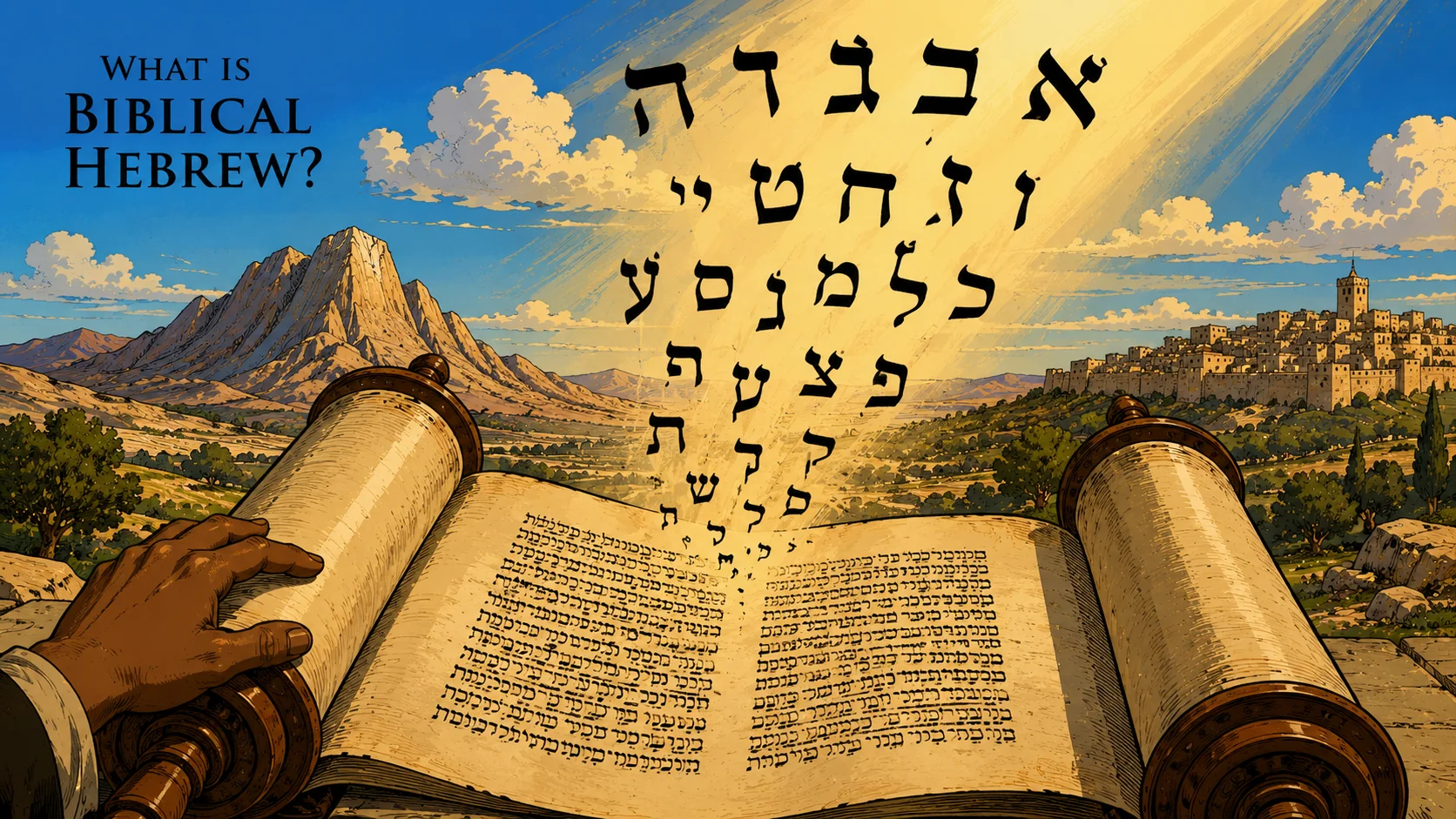
What Is Biblical Hebrew?
The language of Abraham, Moses, and the children of Israel — its alphabet, three-letter root system, the Holy Tongue, and the Masoretic Text that underlies every printed Hebrew Bible.
Read article →
The King James Bible — history and commission
History  ·  Translation
The King James Bible: History & Why It Matters
In 1604 King James I commissioned 47 scholars to produce one authoritative English Bible. It shaped how the diaspora encountered Hebrew scripture for over 400 years.
Read article →
נִקּוּד
Language  ·  Alphabet
Nikud — The Hebrew Vowel Points Explained
The Hebrew letters are all consonants. The tiny dots and dashes — nikud — tell you how to pronounce them. Who added them (the Masoretes), why the Torah scroll has none, and how to read the key marks.
Read article →
וָו הַהִפּוּךְ
Language  ·  Grammar
The Vav-Consecutive: How Hebrew Tells a Story
Every "And…" at the start of a Torah verse is the vav-consecutive — the engine of Hebrew narrative. One prefix chains the entire Torah into one unbroken story.
Read article →
הַשְׁמָטַת הַגּוּף
Language  ·  Grammar
Pro-Drop in Biblical Hebrew: Why Names Disappear
Why does the KJV say "Moses said" dozens of times when the Hebrew only names him once? Because Hebrew is a pro-drop language — its verbs carry the subject so the name never needs repeating.
Read article →
יְהוָה
Language  ·  Torah
Names, Titles & Proper Nouns in the Torah
The Tetragrammaton, ancient place names with hidden meaning, and why translation software fails on the Torah — because Babel, Shinar, and Pharaoh look like ordinary Hebrew words.
Read article →
תַּרְיַ"ג מִצְווֹת
Torah  ·  Commandments
The 613 Commandments: A Complete Guide to the Mitzvot
What are the 613 commandments God gave to Israel? Where do they come from, how are they counted? A guide to the mitzvot — 248 positive and 365 negative — with Hebrew names and Torah sources.
Read article →
בְּנֵי יִשְׂרָאֵל
Torah  ·  Identity
Who the Torah Was Written For
The Torah was not written for scholars. It was written for a people. If you are reading this text and sensing that these words speak directly to you — the history, the blessings, the covenant, and the curses — this is for you.
Read article →
כֵּיצַד לִקְרֹא
Study Tips  ·  Guide
How to Use the Torah Reader
Click to reveal translations, hover for word tooltips, select text for the translation bubble, listen to Hebrew audio. A complete guide to every feature of the Hebroni Torah Reader.
Read article →
✡ In the Hebrew
בְּרֵאשִׁית
Hebrew  ·  Verse Studies
Verse Studies — Genesis 1 Word by Word
Eight verses of Genesis 1 read word-by-word in the original Hebrew — Bereshit Bara Elohim, Tohu Vavohu, Yehi Or, Ki-Tov, Yom Echad, Rakia, Va-Ya'as, Shamayim. Each word unpacked for meaning, root, and grammar.
Browse verse studies →
Pesach Does Not Mean Pass Over
Hebrew  ·  Torah
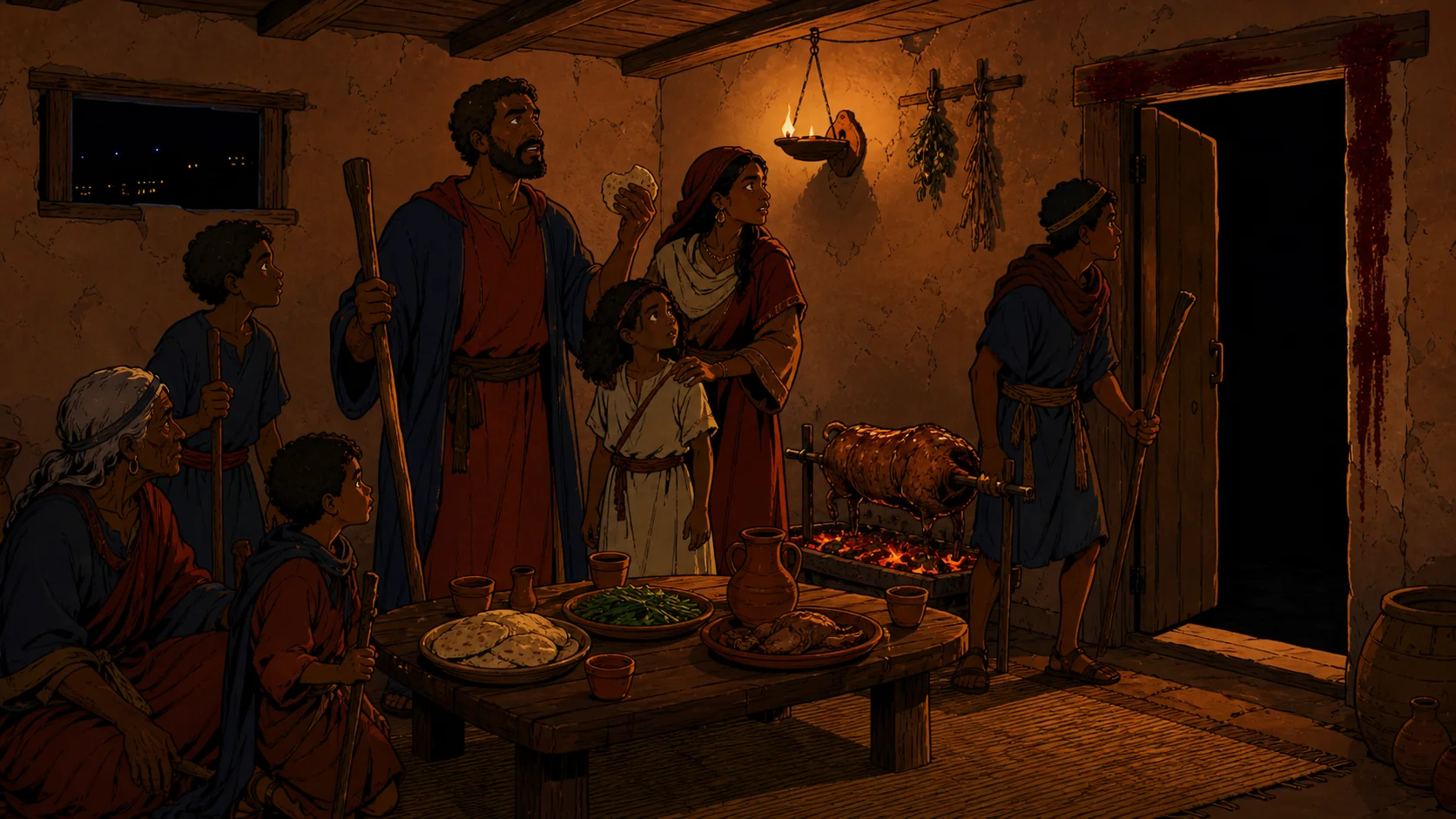
Pesach Does Not Mean "Pass Over"
The Hebrew root פסח does not mean to pass over. It means to hover in protection — to shield. God didn't skip the blood-marked houses. He stood at the door. What the original Hebrew of Exodus 12 records.
Read article →
The Ten Commandments Were Spoken Before They Were Written
Hebrew  ·  Torah
The Ten Commandments Were Spoken Before They Were Written
Before the stone tablets, an entire nation heard God's voice in the fire and cloud at Sinai. What the Hebrew of Exodus 19 records — and why the ten were only the beginning.
Read article →
✡ Scripture Arcs
Bereshit — Every Nation Starts Here
History  ·  Torah Arc
Bereshit — Every Nation Starts Here
Creation, Adam and Eve, Cain and Abel, the flood, the 70-nation Table of Nations, and Babel — how the book that begins with all humanity narrows to one covenant family.
Read article →
Abraham — The Call and the Covenant
History  ·  Torah Arc
Abraham — The Call and the Covenant
From Ur to the cave of Machpelah — the calling, the stars covenant, Sodom's negotiation, the Akedah, and the death of the father of all nations.
Read article →
Isaac — The Promised Son
History  ·  Torah Arc
Isaac — The Promised Son
Born of laughter at Mamre, offered at Moriah, met Rebekah at the well — the quiet patriarch who carried the covenant between Abraham and Jacob.
Read article →
Jacob — The Man Who Became Israel
History  ·  Torah Arc
Jacob — The Man Who Became Israel
Birthright, stolen blessing, twenty years in Paddan-aram, and the night at the Jabbok where a man wrestled with God and came away with a new name: Israel.
Read article →
Joseph — From the Pit to the Palace
History  ·  Torah Arc
Joseph — From the Pit to the Palace
Sold by his brothers, imprisoned, interpreter of dreams, second over all Egypt — the arc that ends with Israel going down to Egypt and the covenant moving underground.
Read article →
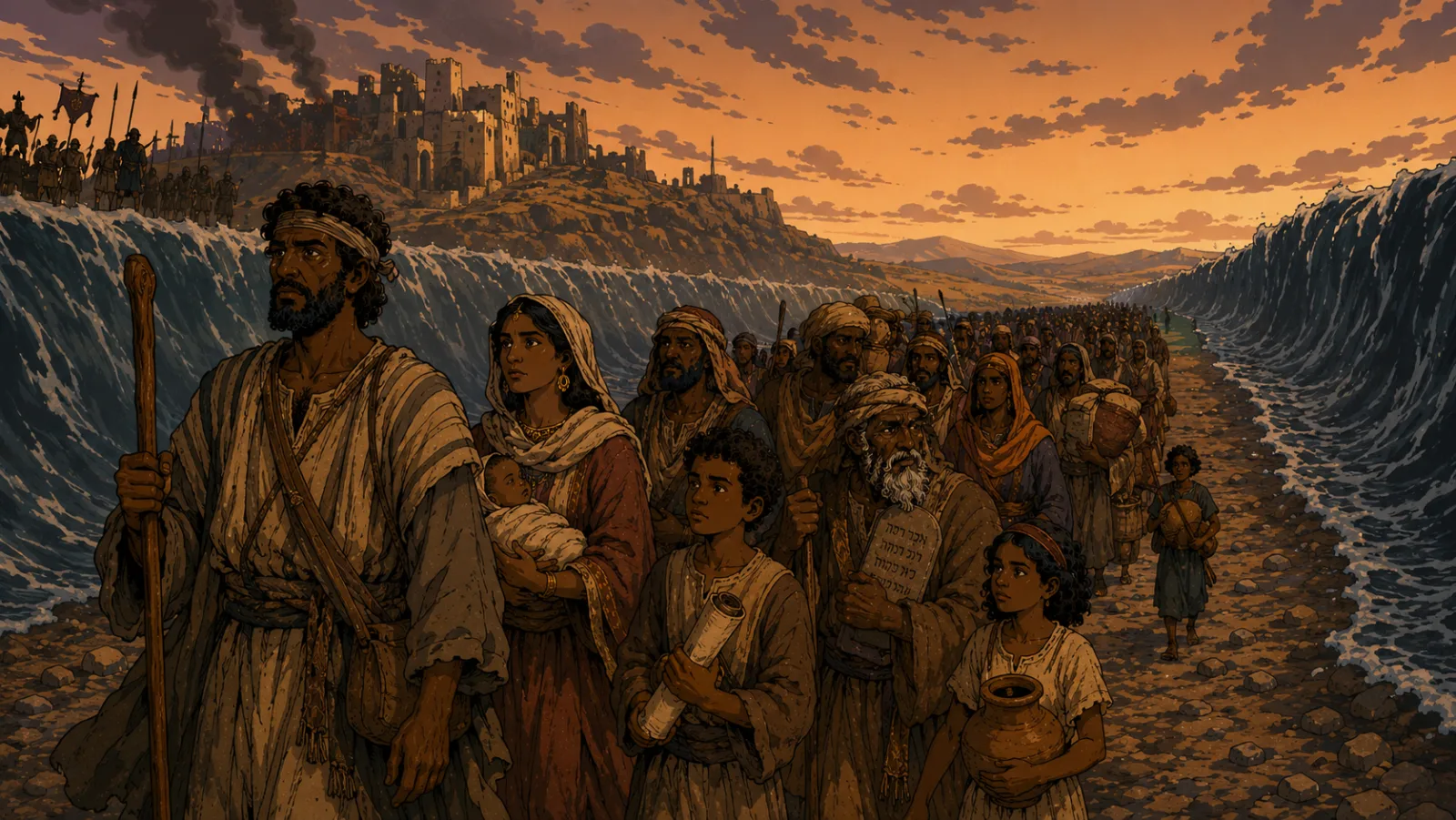
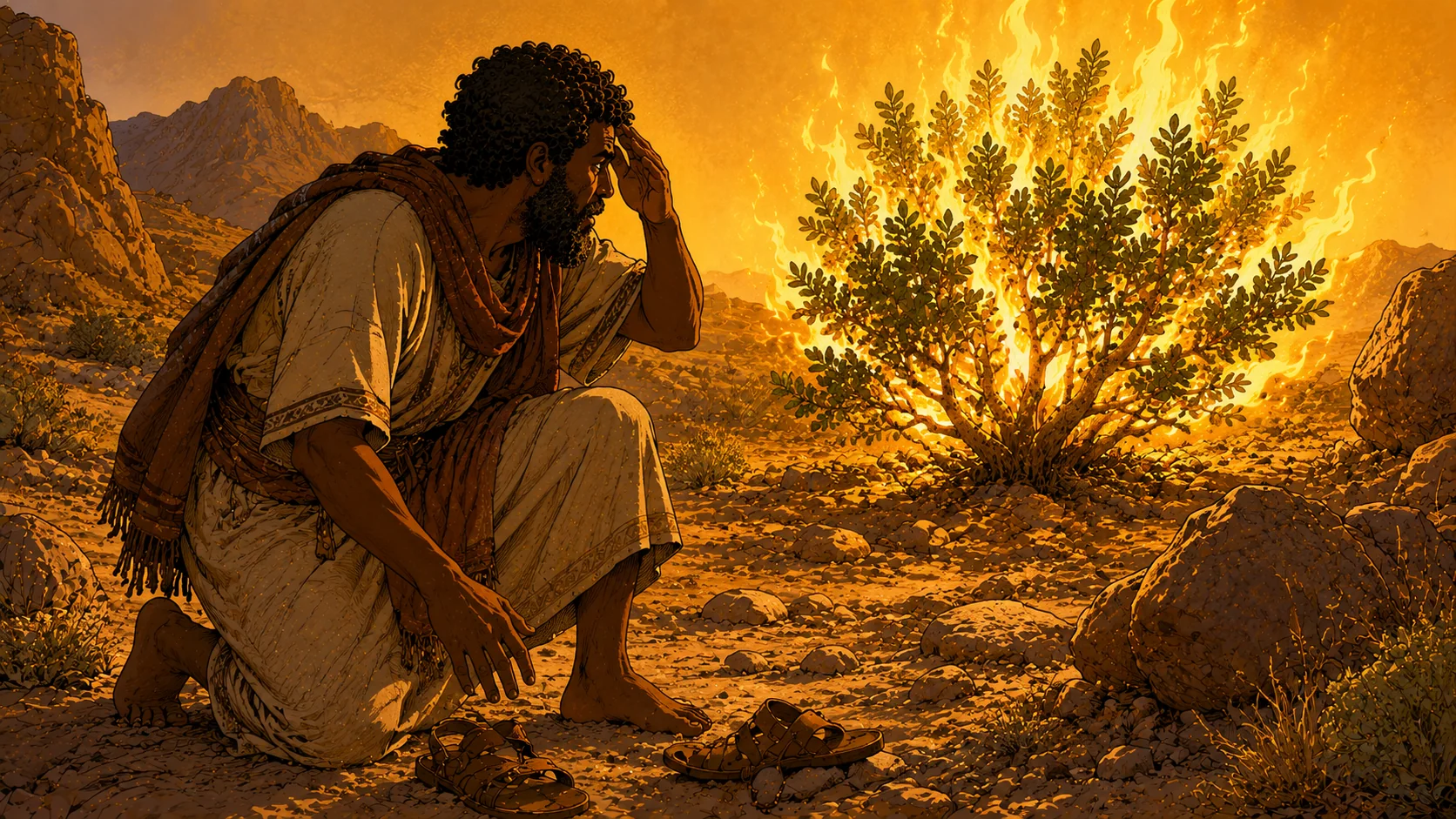
Moses and the Exodus
History  ·  Torah Arc
Moses and the Exodus
New king over Egypt, burning bush, ten plagues, Passover night, and the sea — how Israel left Egypt and what they carried out with them.
Read article →
✡ Maps & Visual Studies
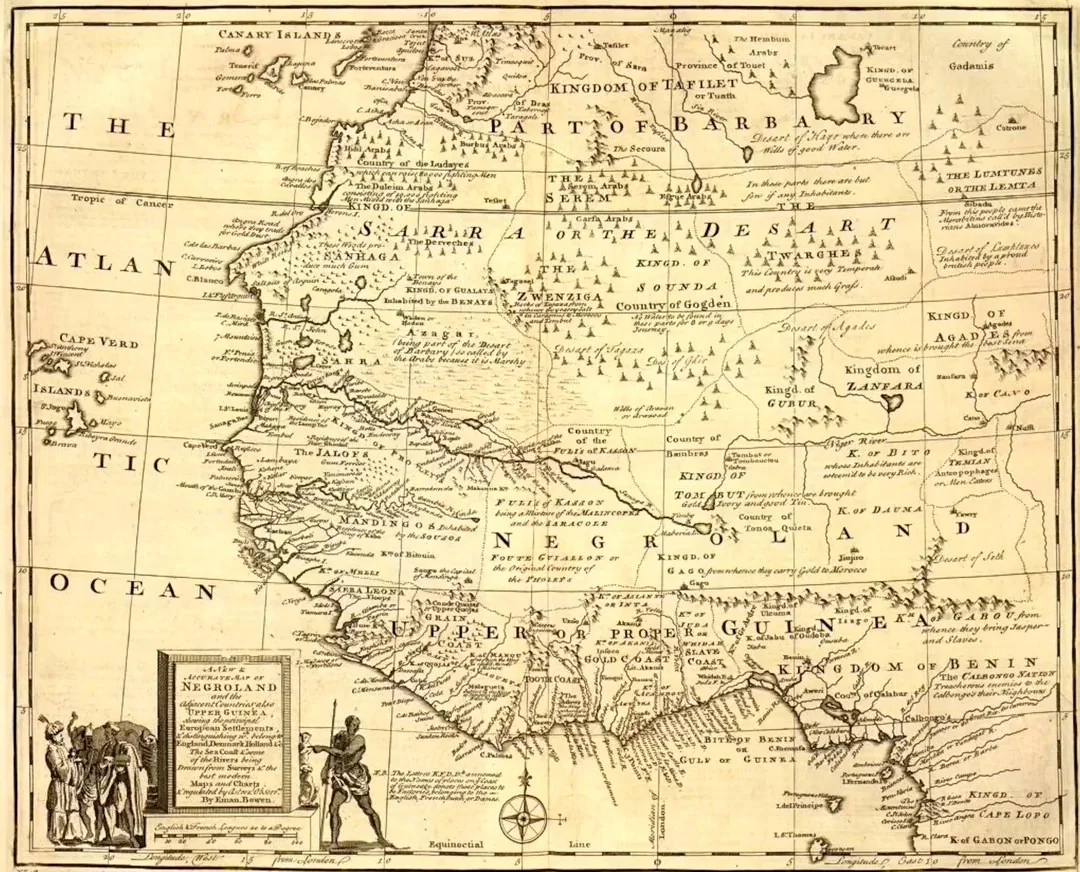
1747 Map of Negroland — Kingdom of Judah
History  ·  Diaspora  ·  West Africa
The 1747 Map That Called It the Kingdom of Judah
In 1747, a British cartographer labeled a West African kingdom "the Kingdom of Judah." He was the fourth independent cartographer to do so. Arab historians had documented Bani Isra'il communities in the same region for three centuries before him.
Read article →
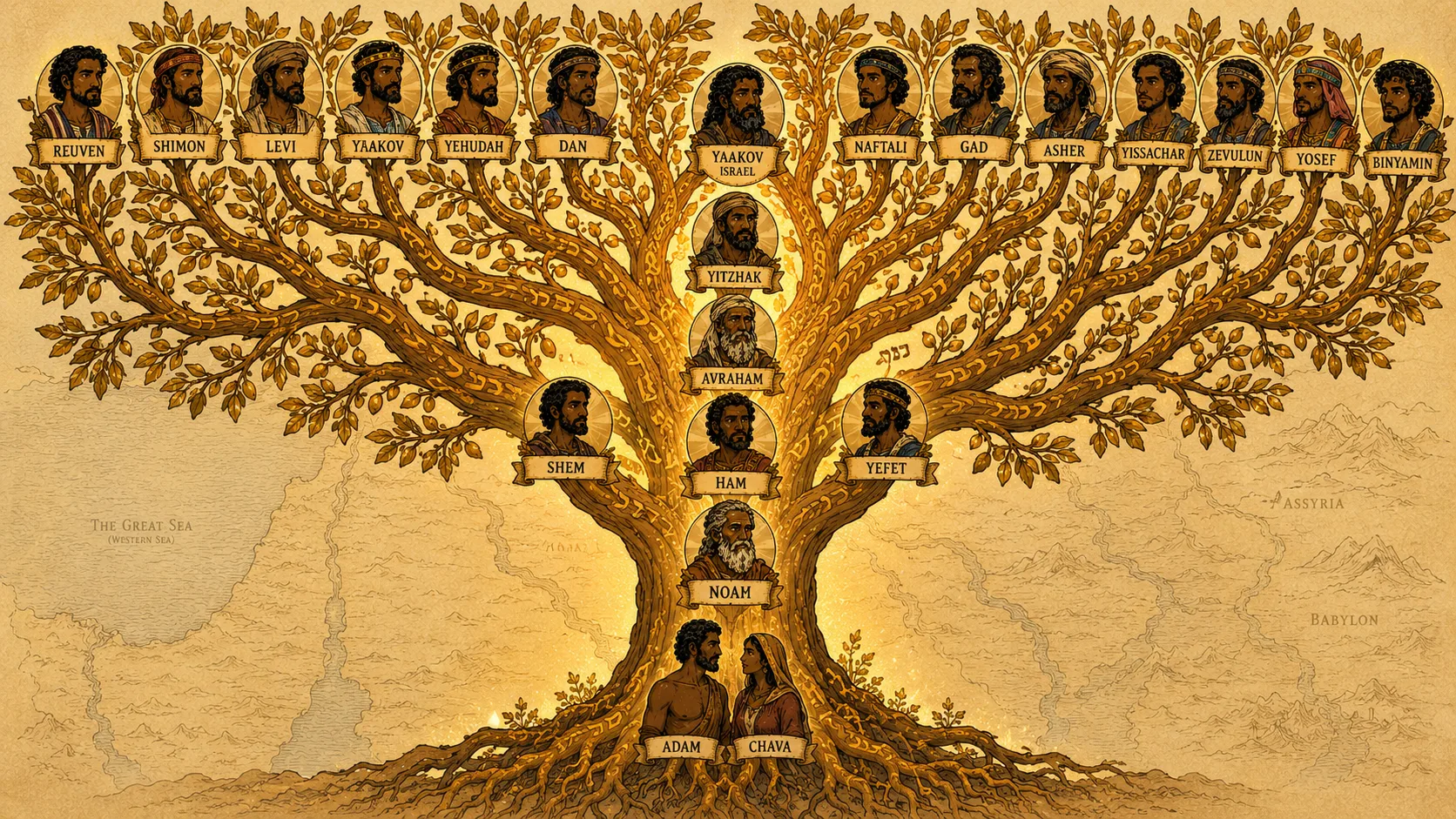
Table of Nations
Interactive  ·  Table of Nations
Table of Nations
From Adam through the twelve tribes of Israel — an illustrated, interactive viewer of every patriarch, matriarch, and nation descended from Noah. Hover any figure to read their story.
Explore the tree →