Genesis 10 · Table of Nations

Biblical Family Tree

שִׁבְעִים אֻמּוֹת — The Seventy Peoples of the Earth
Noah → Japheth · Ham · Shem · 70 nations · 6 generations
In Progress — Pre-Abraham. This tree currently covers Genesis 10 only: the 70 nations descended from Noah through six generations. It does not yet extend to Abraham, the patriarchs, or the twelve tribes of Israel. The full tree from Adam to the tribes of Israel is being built — this is the foundation.
Table of Nations Series · Genesis 10
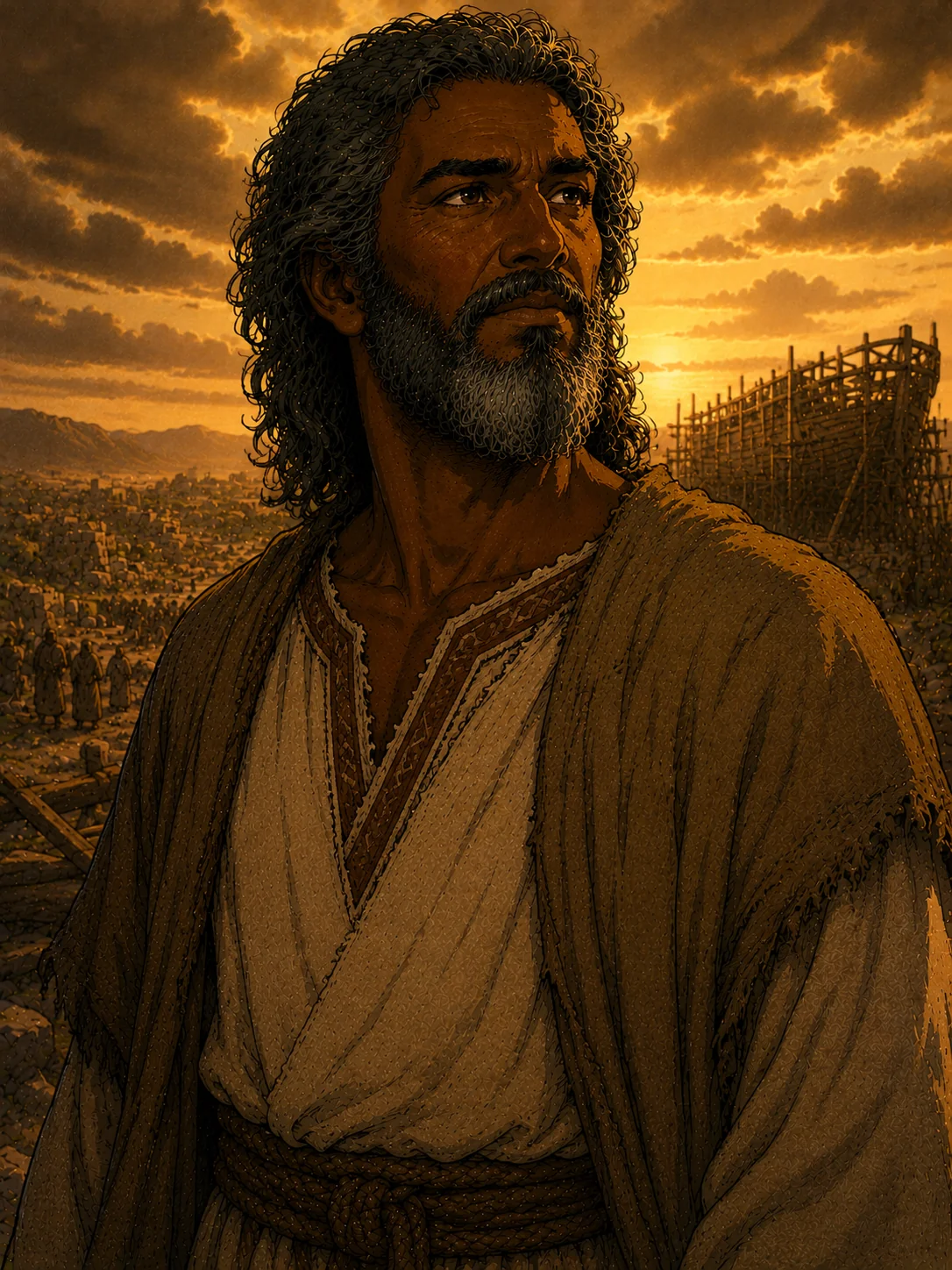
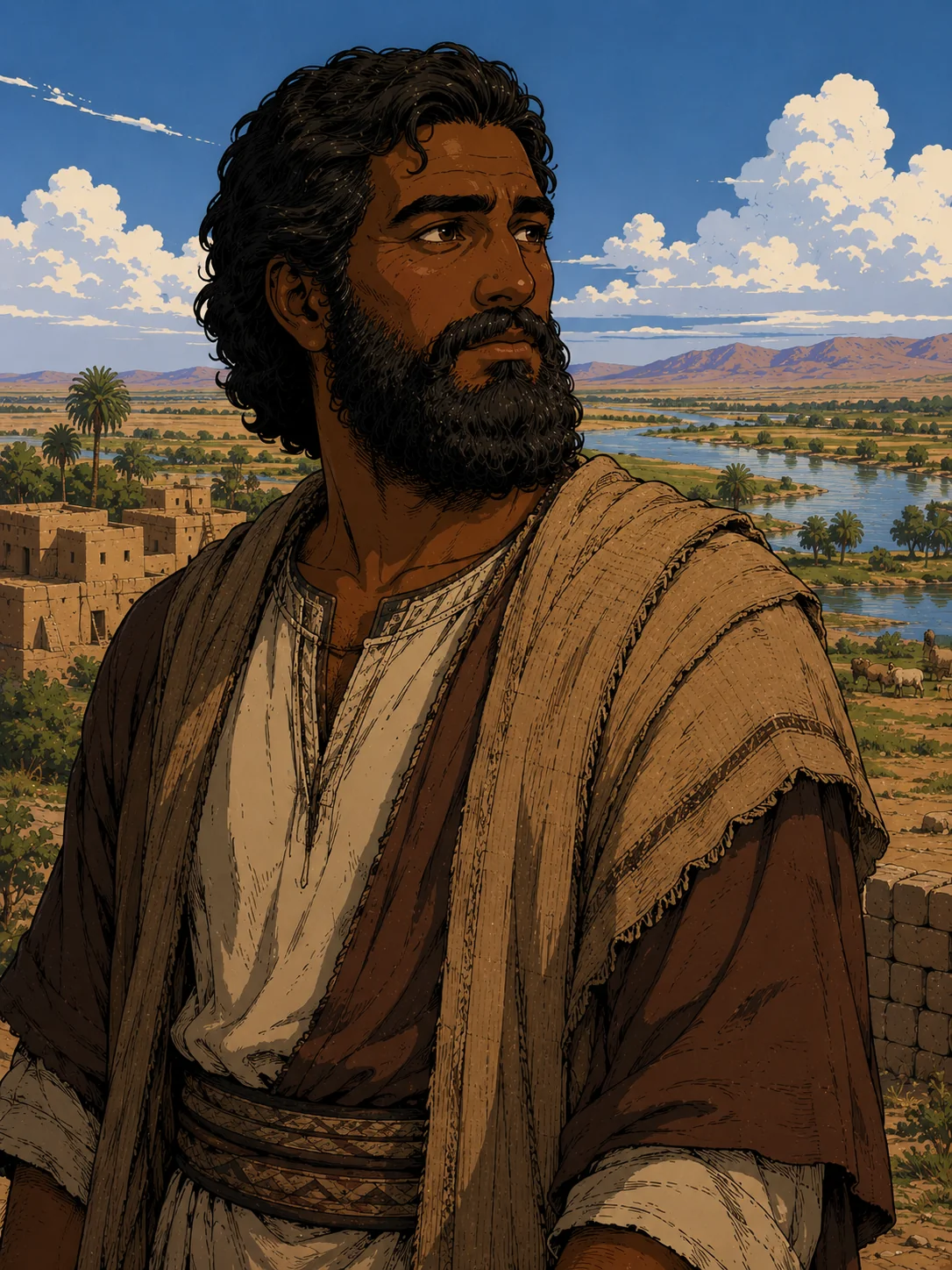
נֹחַ — Noah Father of All Post-Flood Nations · Genesis 6–9
I
Sons of Noah
The three lines of all post-flood humanity · Genesis 10:1
3 persons
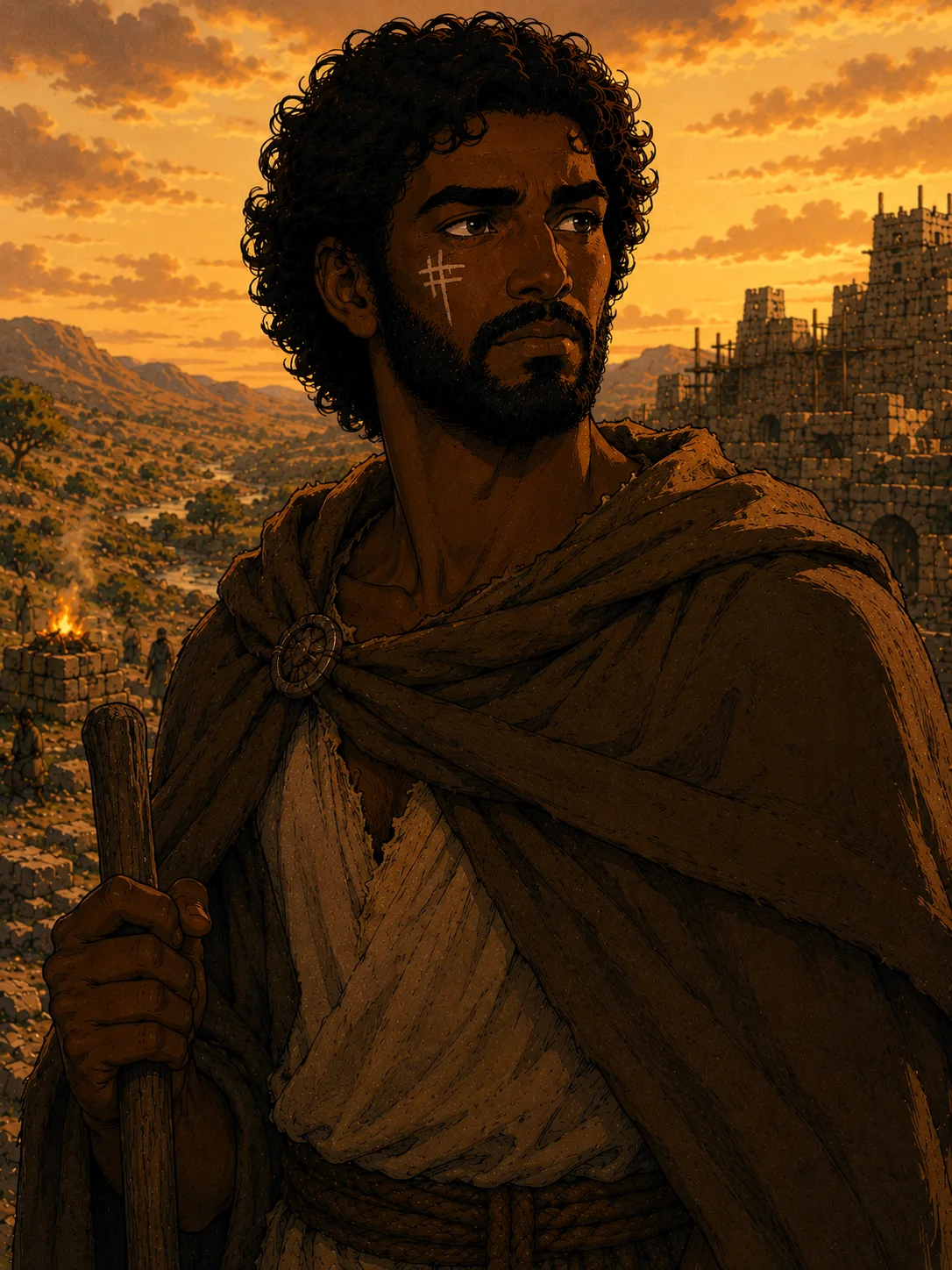
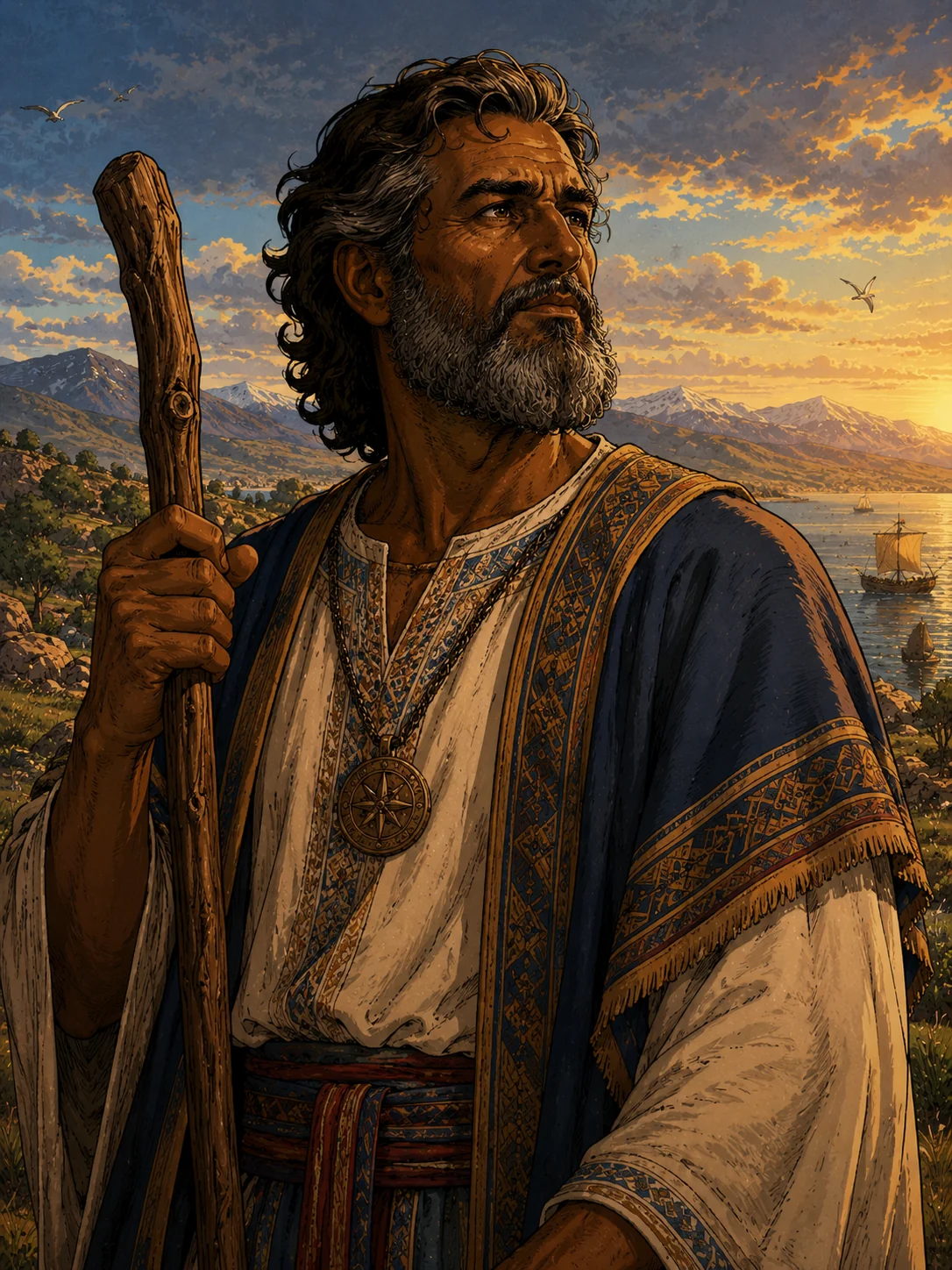
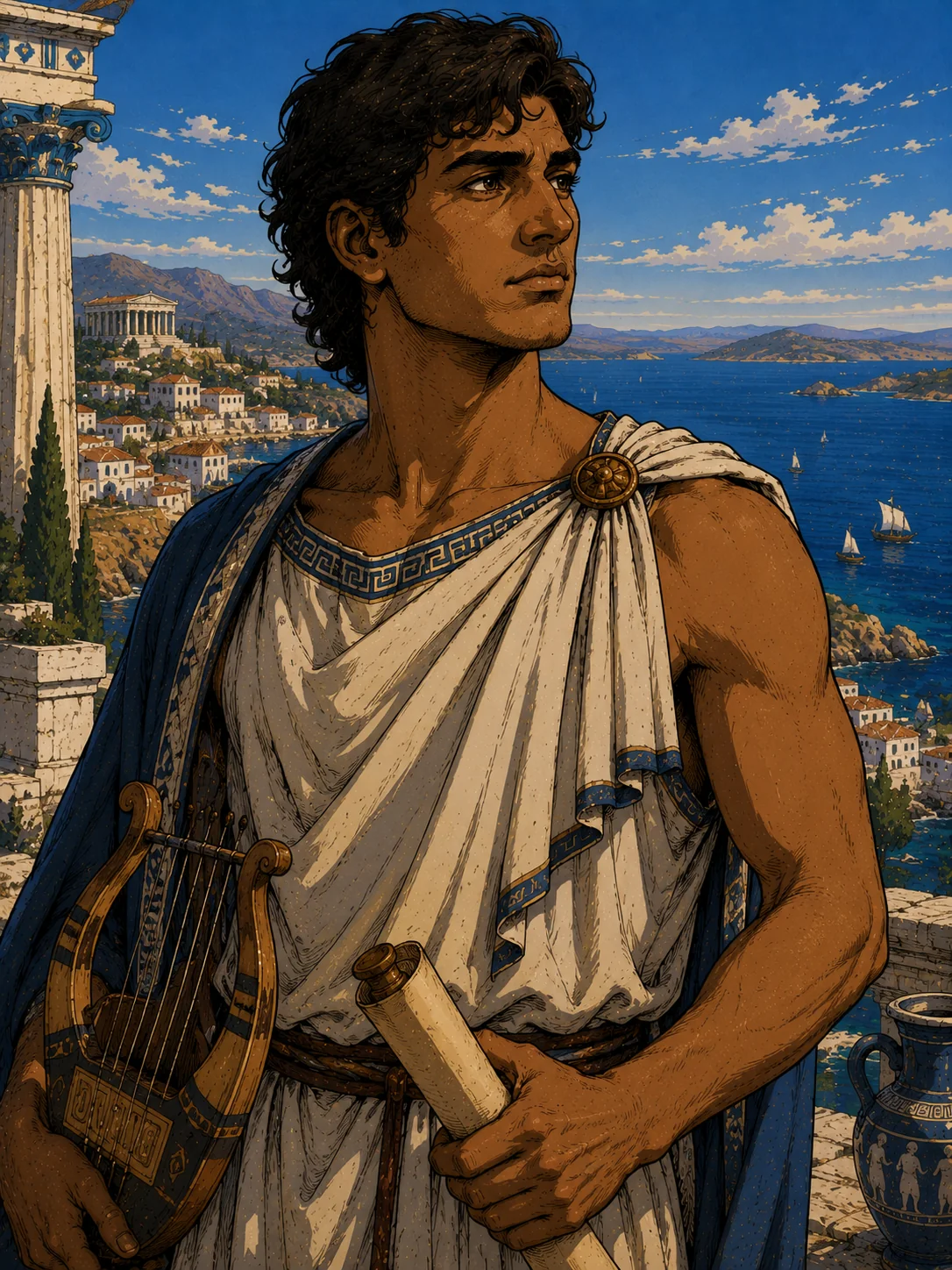
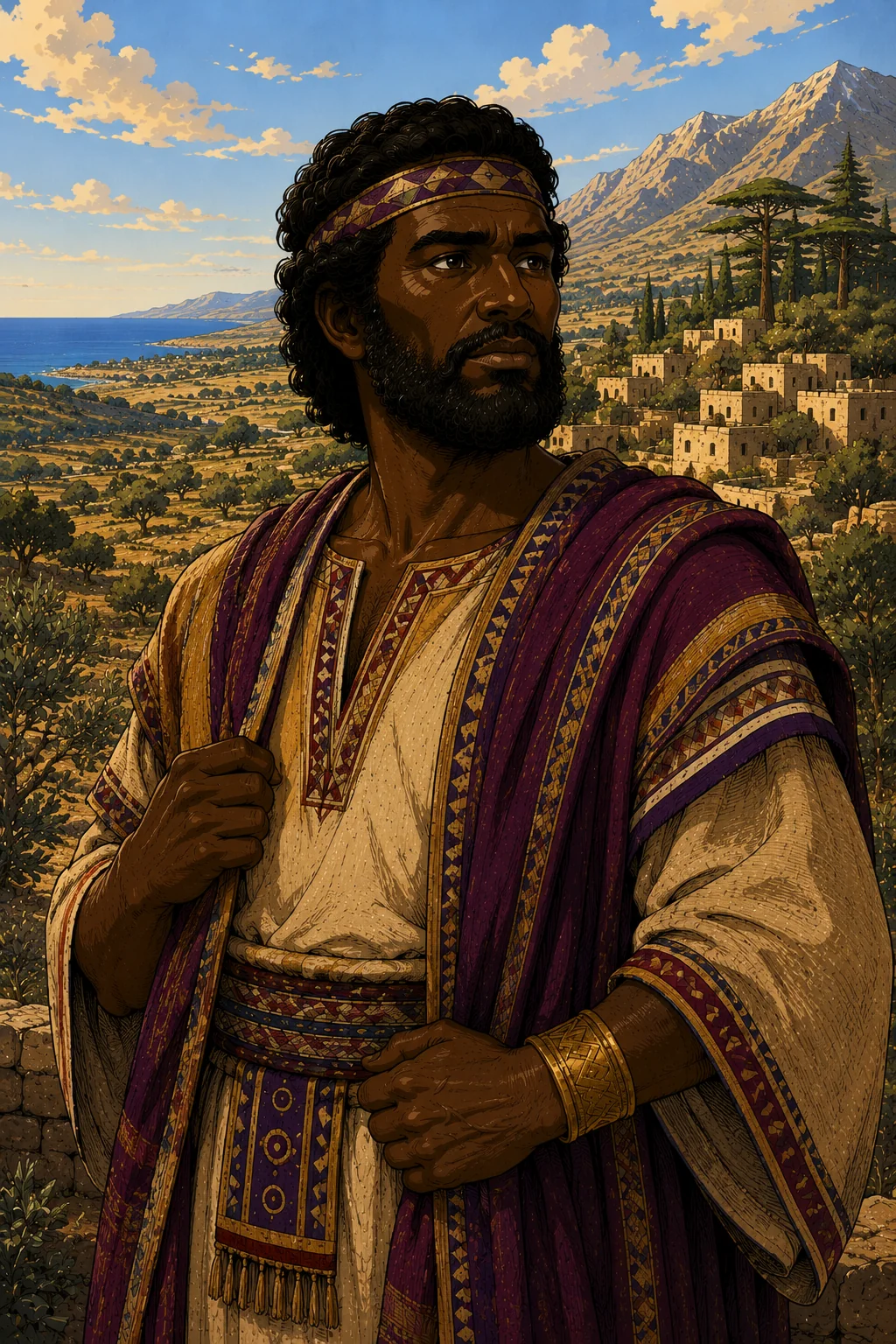
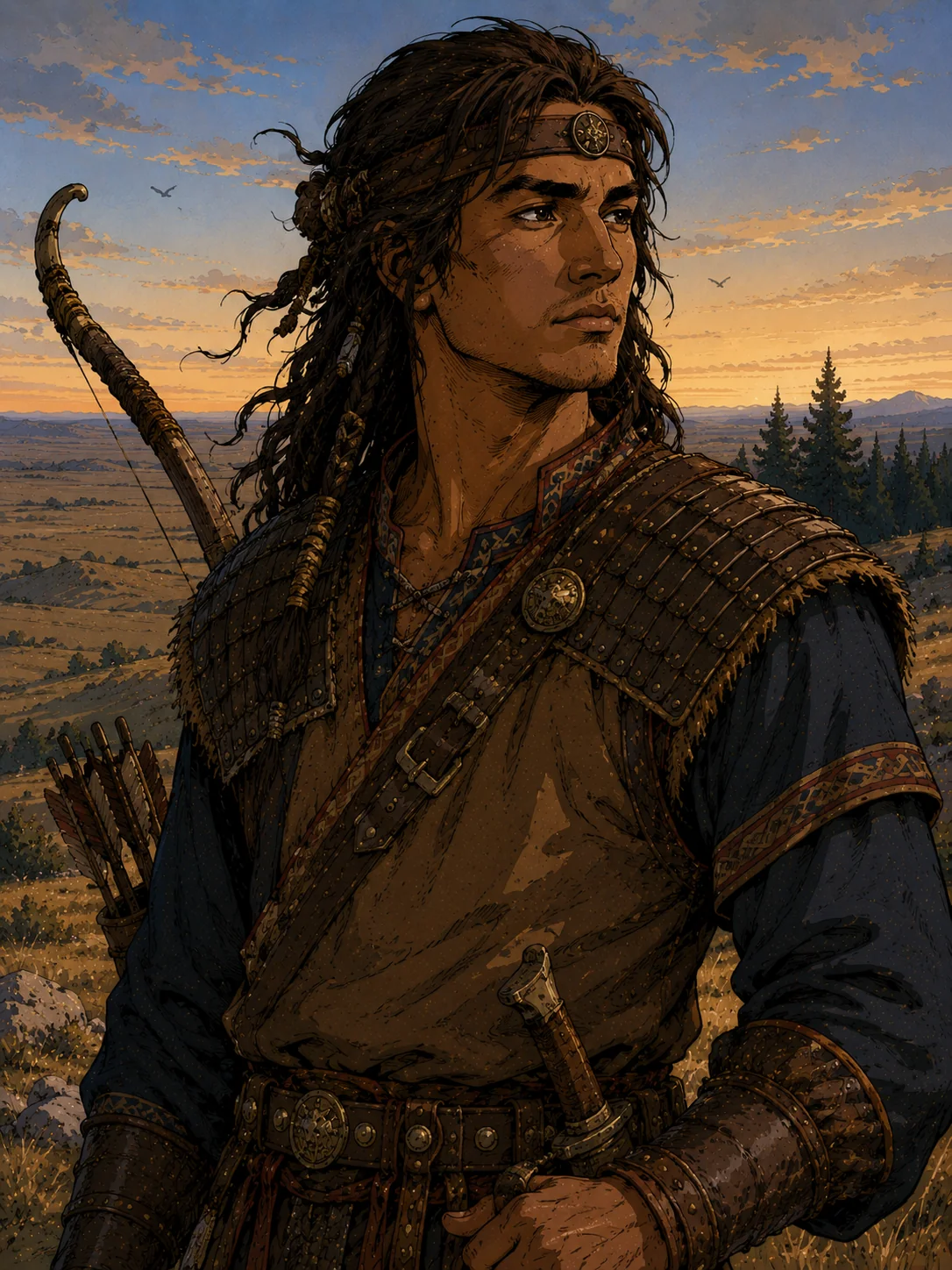
יֶפֶת — Japheth
Japheth
יֶפֶת
Japheth · 14 Nations
10:1–2 · Fathers of Europe and Central Asia
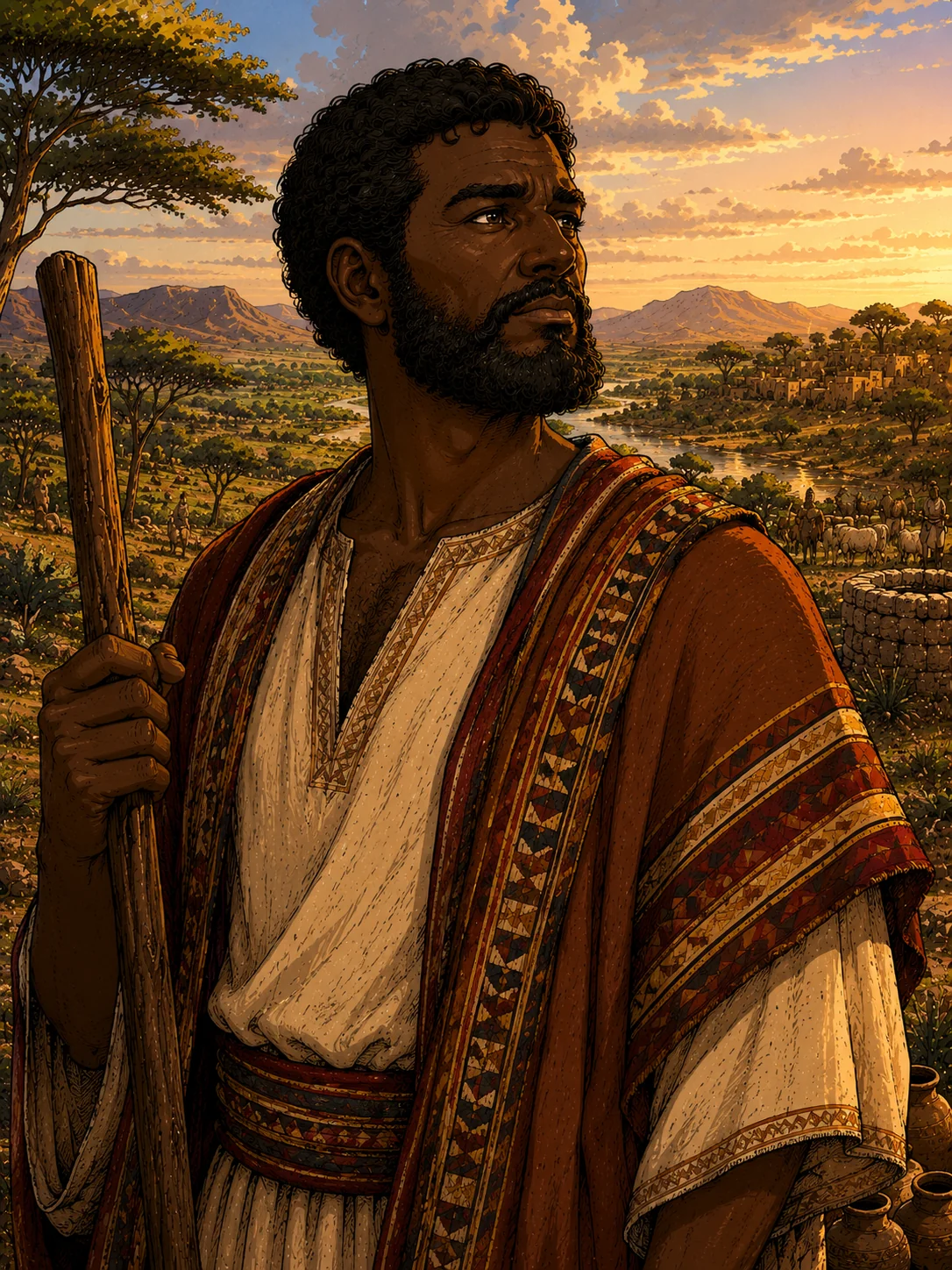
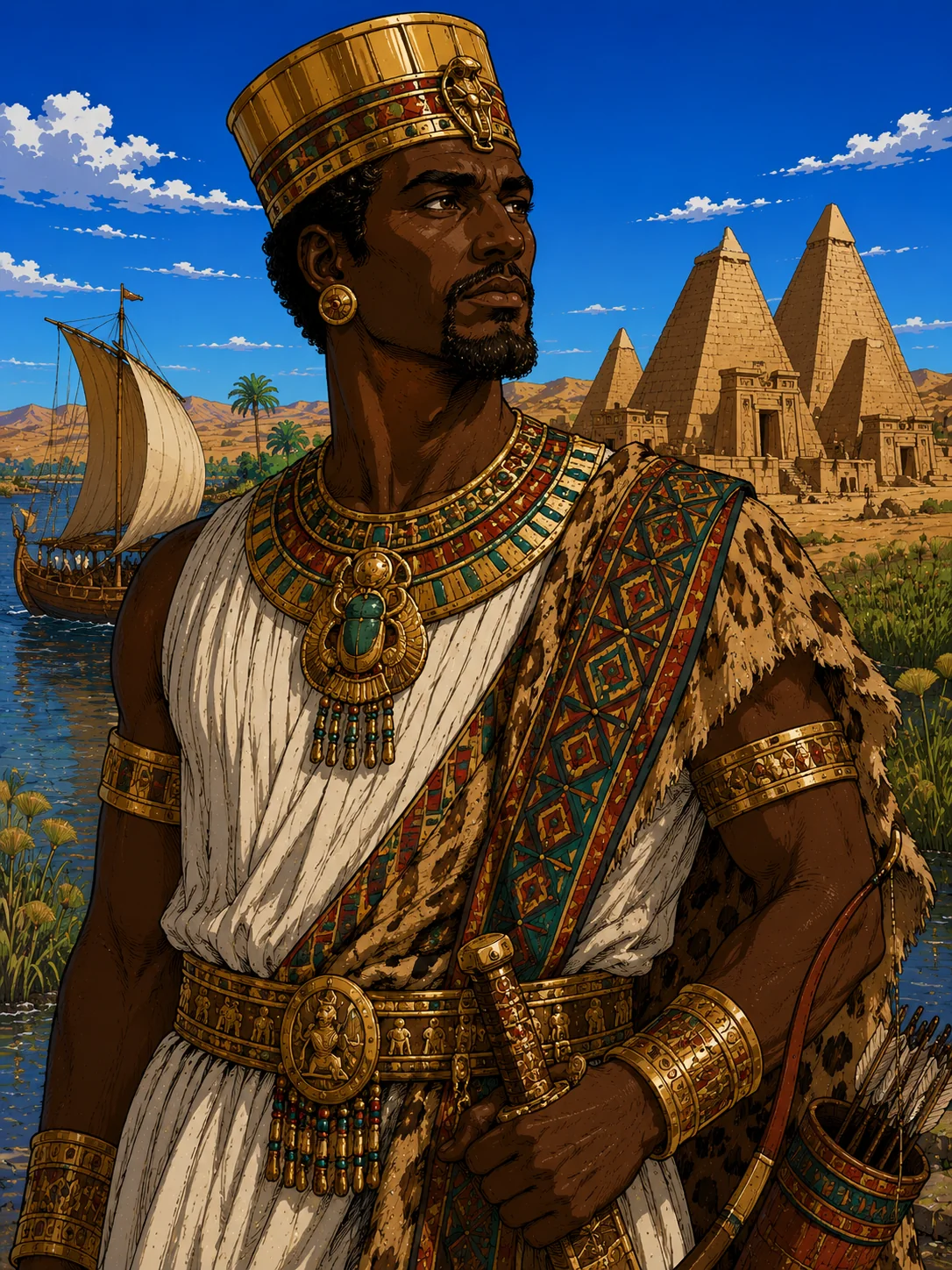
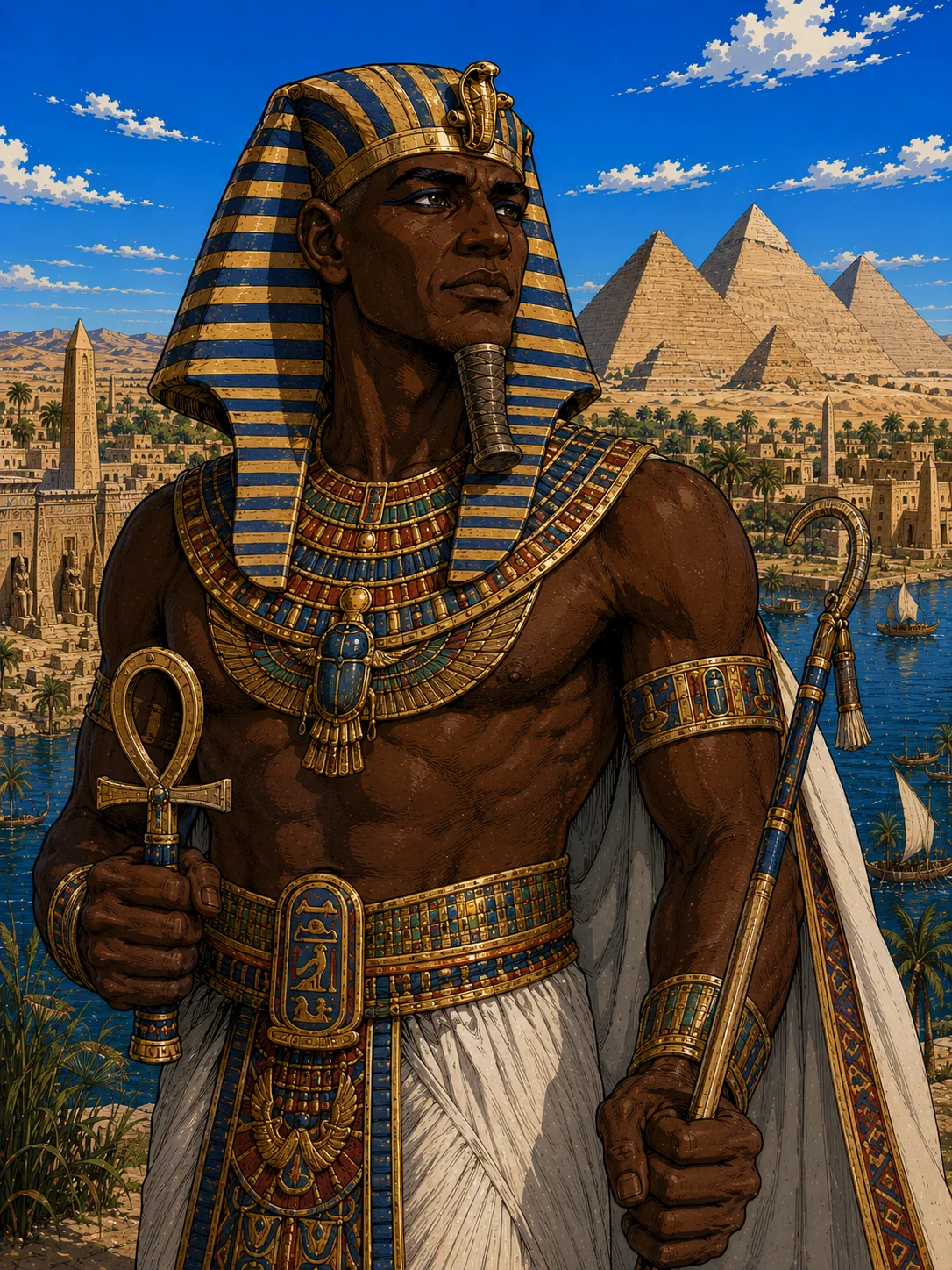
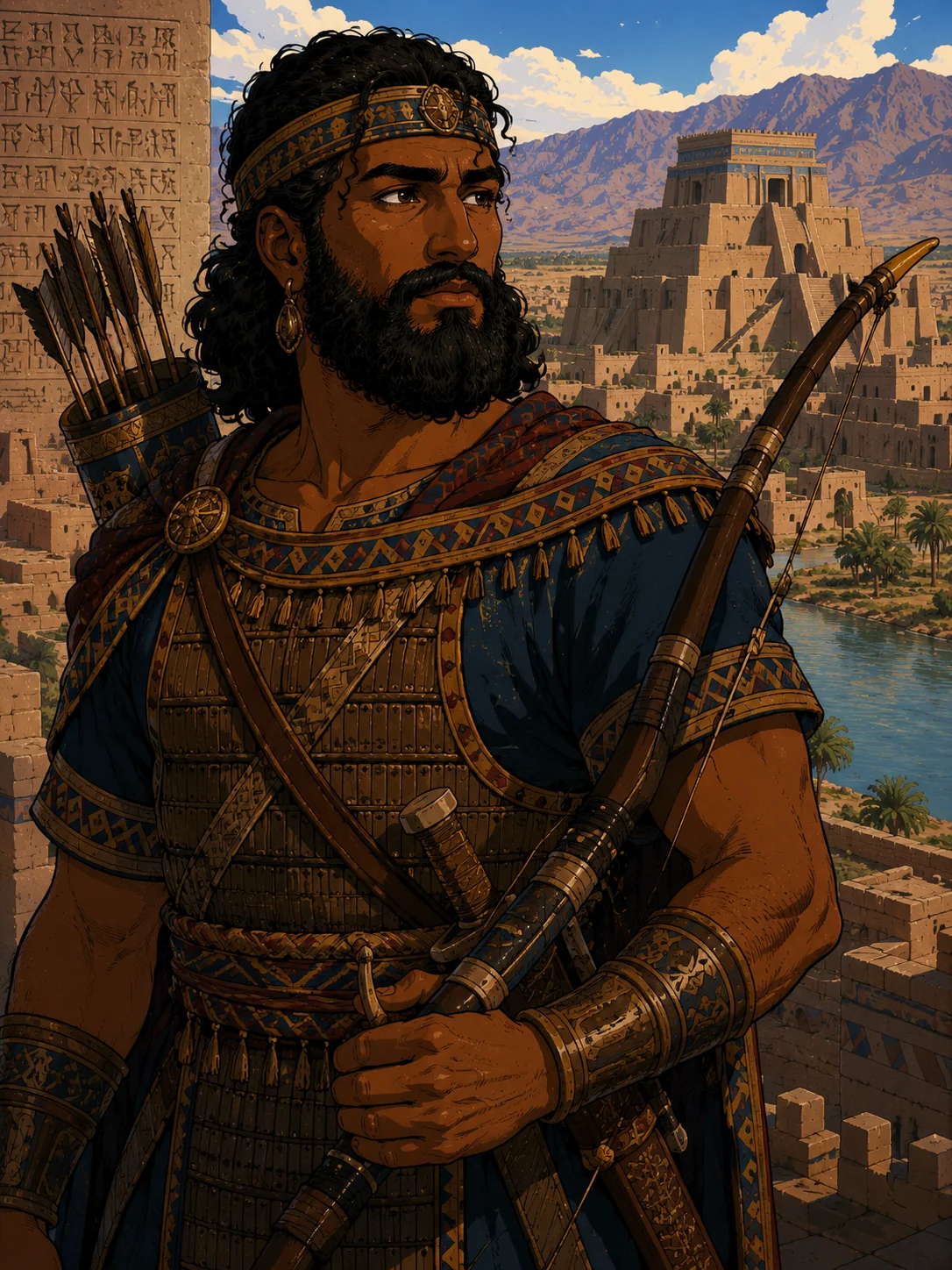
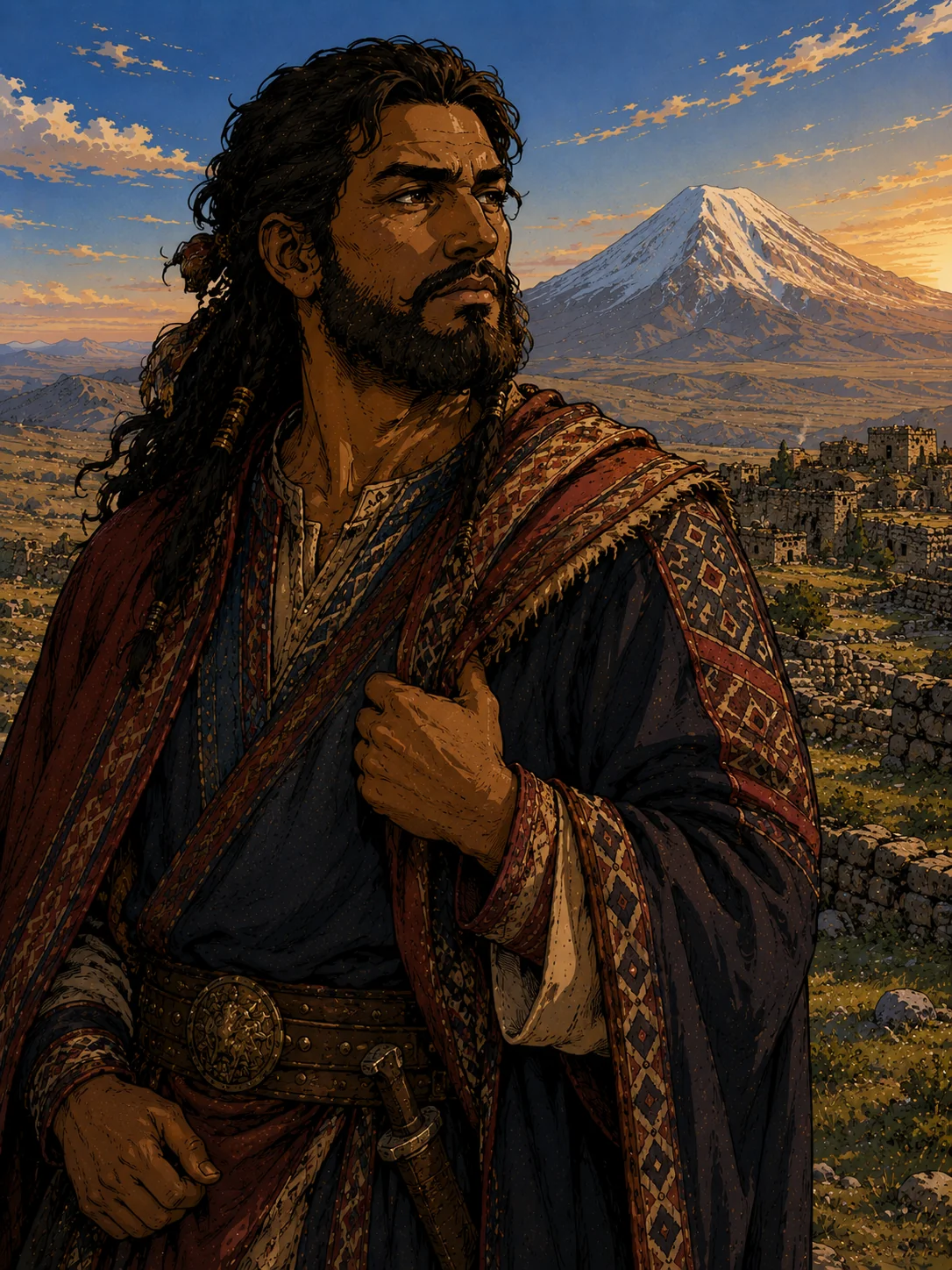
חָם — Ham
Ham
חָם
Ham · 30 Nations
10:1,6 · Fathers of Africa and the Ancient Near East
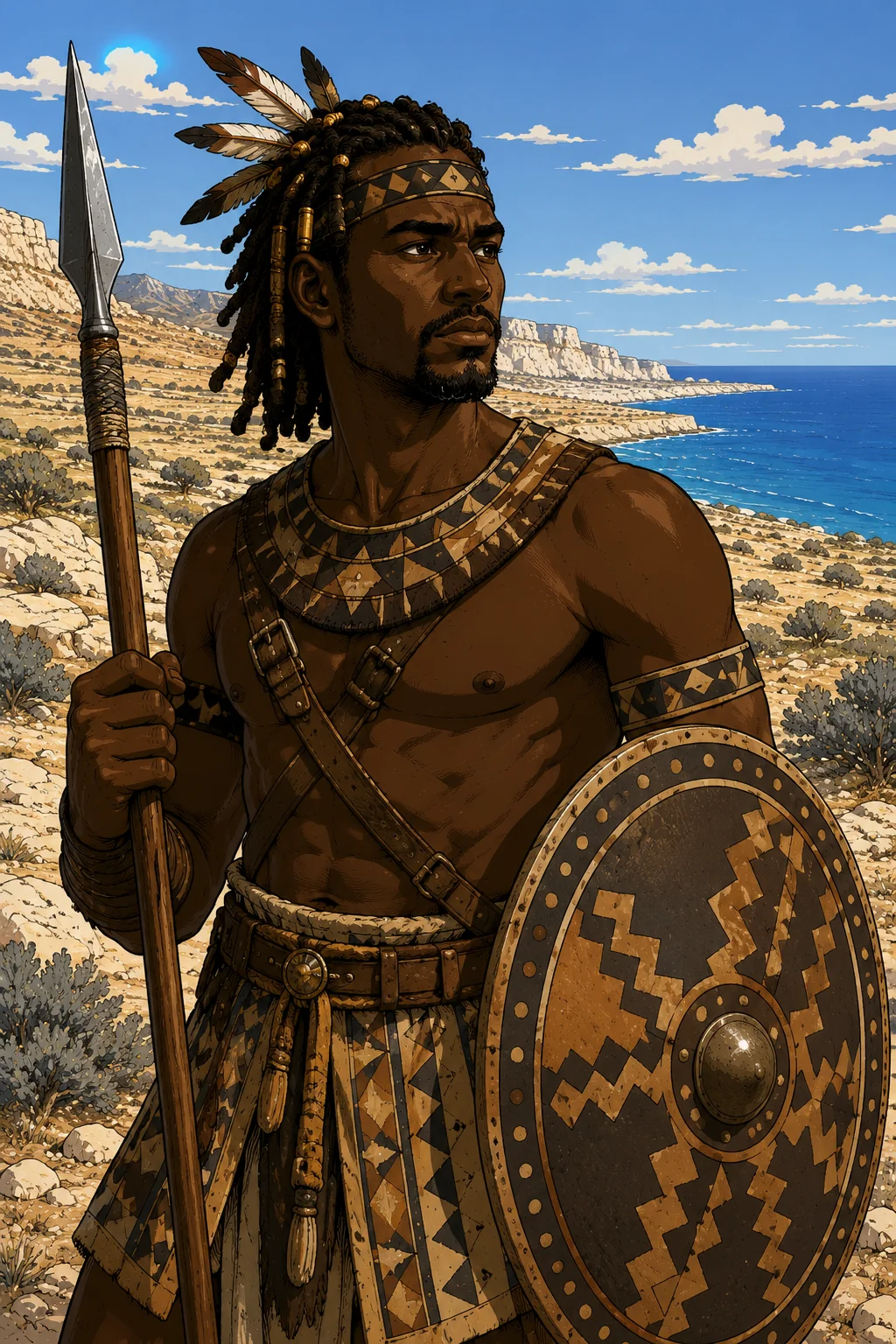
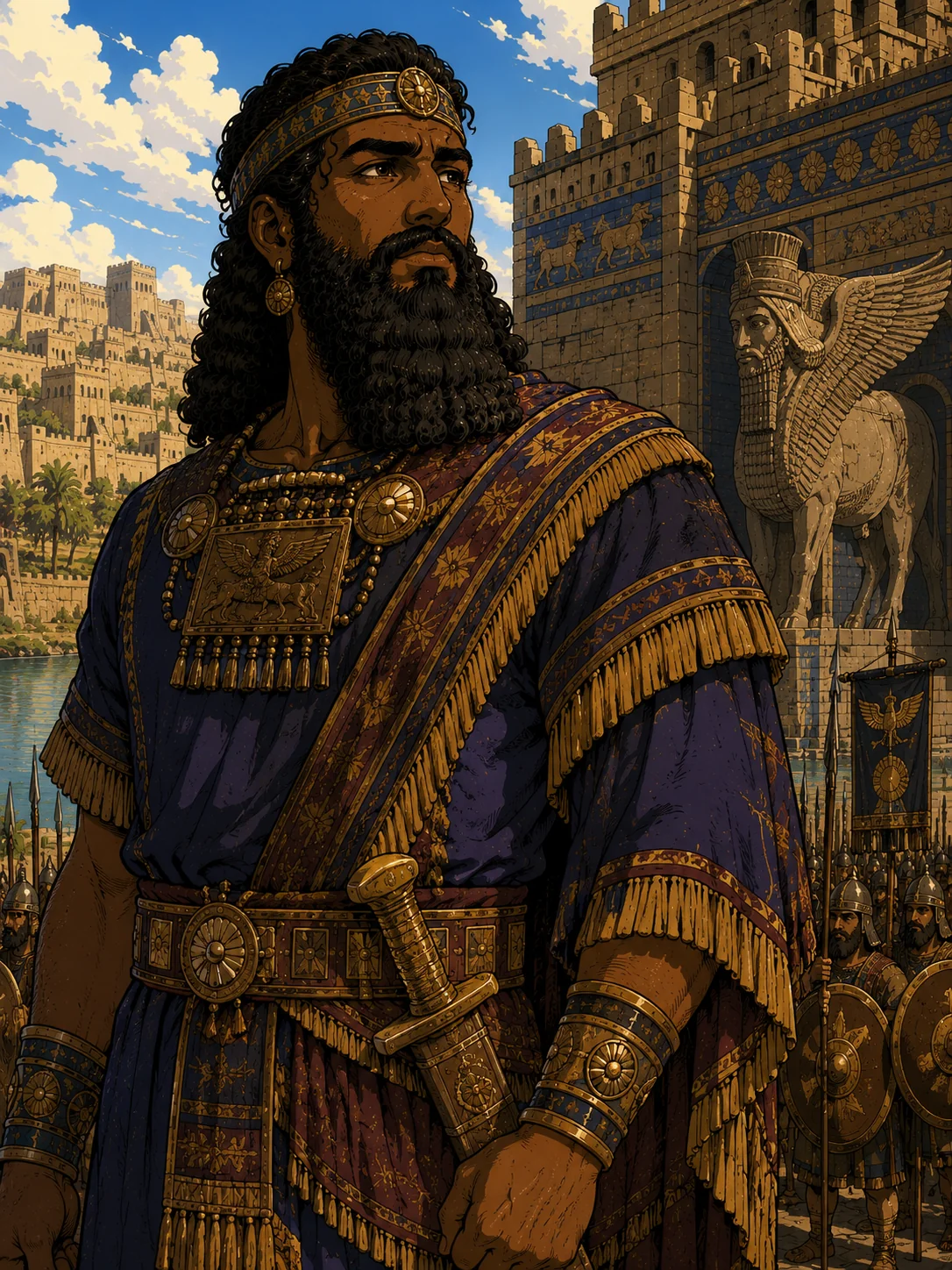
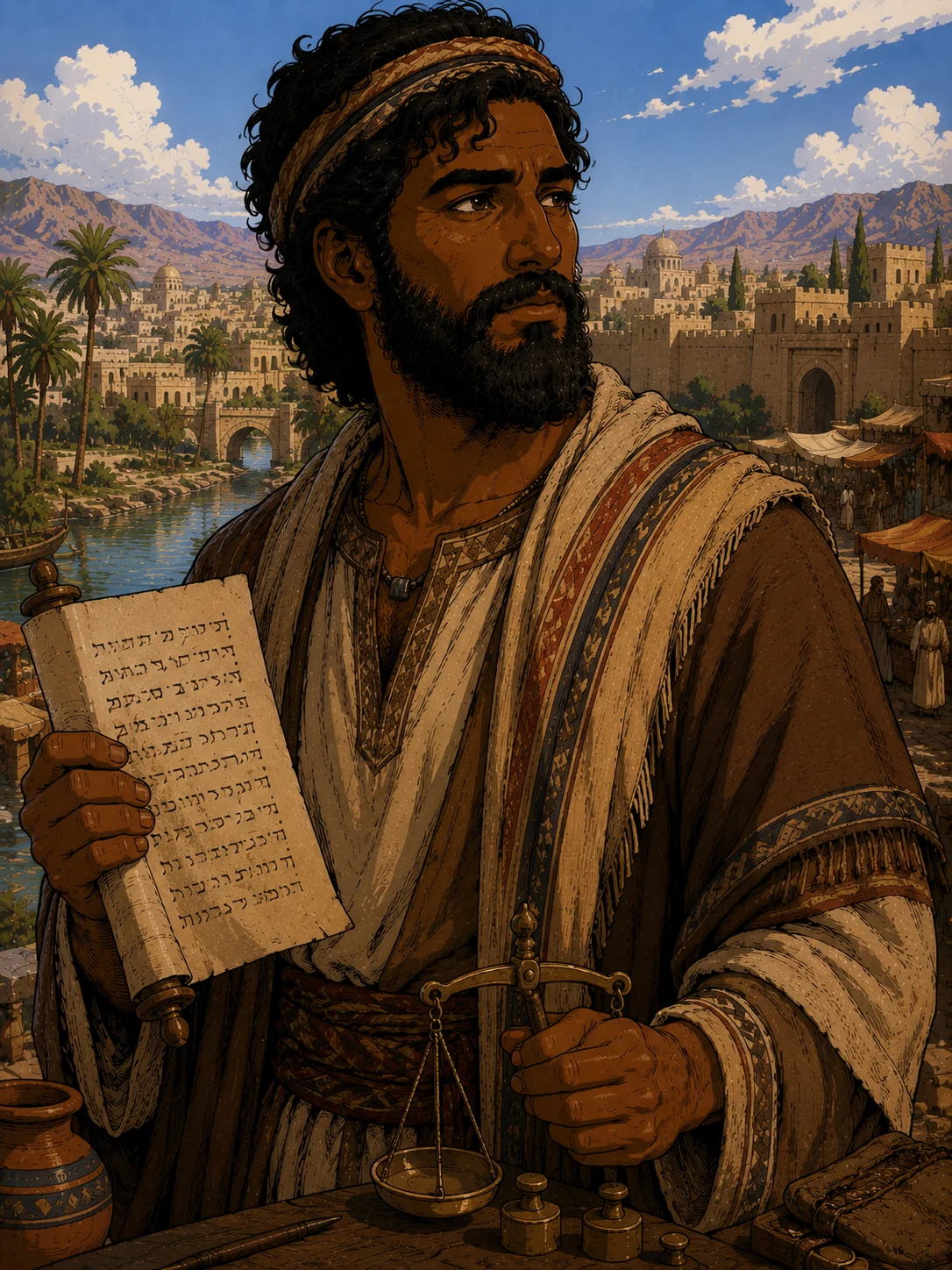
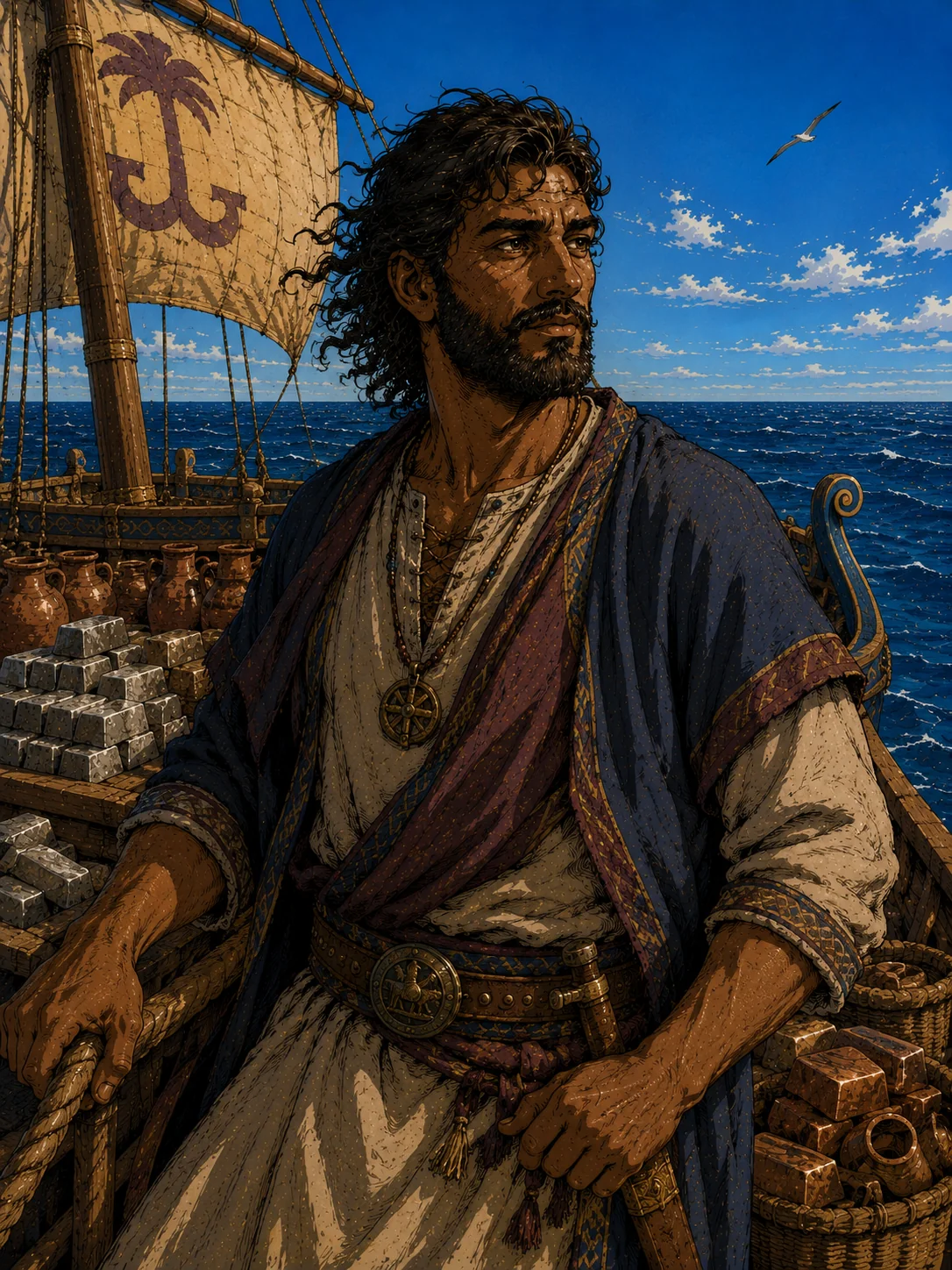
שֵׁם — Shem
Shem
שֵׁם
Shem · 26 Nations
10:1,21 · Fathers of the Semitic peoples · Messianic line
II
Noah's Grandsons
Direct children of Japheth, Ham, and Shem · Genesis 10:2–22
16 nations
Sons of Japheth
Gomer
גֹּמֶרGomer10:2–3
Cimmerians — ancestors of Celtic and Germanic peoples. Pontic steppe to Central Europe.
Magog
מָגוֹגMagog10:2
Scythians of the Eurasian steppe. Gog and Magog of Ezekiel 38–39.
Madai
מָדַיMadai10:2
The Medes — destroyed Nineveh 612 BCE with Babylon. Modern northwestern Iran / Kurdish peoples.
Javan
יָוָןJavan10:2,4
The Greeks (Ionians). Yavan is still Hebrew for Greece today. Daniel's empire of the goat.
תֻבָלTubal10:2
Tabali of eastern Anatolia. Paired with Meshech. Bronze and slave traders (Ezek 27:13). Georgian ancestors.
מֶשֶׁךְMeshech10:2
Muski/Mushki of central Anatolia (Cappadocia). Always paired with Tubal in prophecy.
תִירָסTiras10:2
Possibly the Tyrsenoi/Etruscans (Tyrrhenian Sea) or the Thracians.
Sons of Ham
Cush
כּוּשׁCush10:6–8
Ethiopia/Sudan — the Nile Valley south of Egypt. Father of Nimrod.
Mizraim
מִצְרַיִםMizraim10:6,13
Egypt — still Misr in Hebrew and Arabic today. The Two Lands of the Nile.
Put
פוּטPut10:6
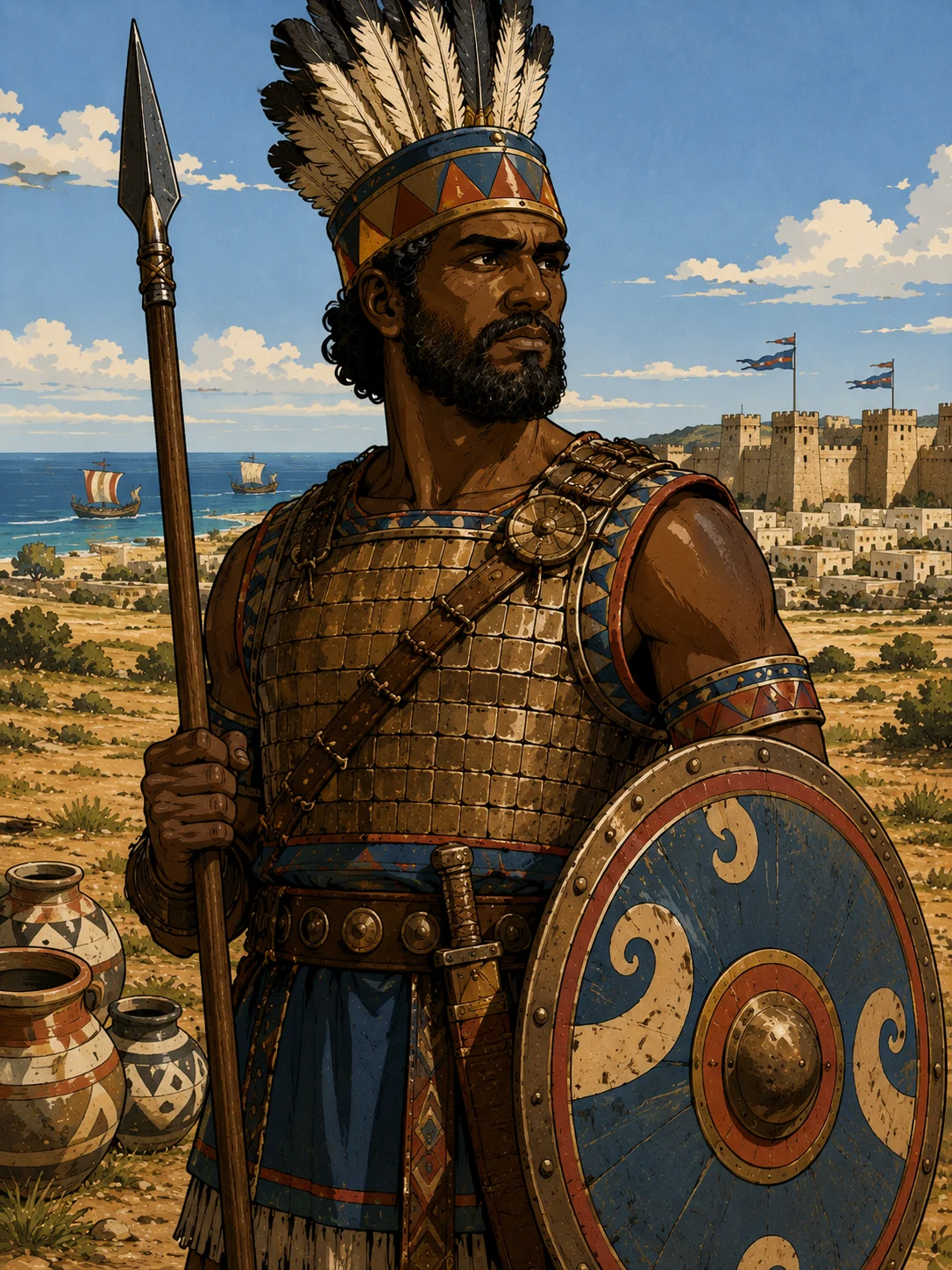
Libya/Somalia — military people. Mercenary warriors in Egyptian, Assyrian, and Tyrian armies.
Canaan
כְּנַעַןCanaan10:6,15
The promised land's pre-Israelite peoples. Curse fell on Canaan specifically — not on Ham or Africa.
Sons of Shem
Elam
עֵילָםElam10:22
Elamites — ancient civilization of Susa (Shushan). Chedorlaomer in Genesis 14. Setting of Esther.
Asshur
אַשּׁוּרAsshur10:11,22
The Assyrians — built Nineveh. Conquered Northern Israel 722 BCE. Modern Assyrian Christians still speak Aramaic.
Arphaxad
אַרְפַּכְשַׁדArphaxad10:22
Direct ancestor of Abraham — the Messianic line passes through Arphaxad. Most critical genealogy in the Table.
לוּדLud10:22
Lydians of western Anatolia — Croesus and his gold, inventors of coined money.
Aram
אֲרָםAram10:22–23
The Arameans — Damascus, and the Aramaic language. "A wandering Aramean was my father" (Deut 26:5). Yeshua spoke Aramaic.
III
Great-Grandsons of Noah
Children of Japheth's sons, Ham's sons, and Shem's sons · Genesis 10:3–23
36 peoples
Japheth's Grandchildren
From Gomer
Ashkenaz
אַשְׁכְּנַזAshkenaz10:3
Scythians / Rhine-Danube region. Name preserved in Ashkenazi Jews.
רִיפַתRiphath10:3
Possibly Paphlagonians of northern Anatolia or Carpathian peoples.
Togarmah
תֹגַרְמָהTogarmah10:3
Eastern Anatolia / Armenia. Ezek 38 northern coalition. Armenian tradition.
From Javan
אֱלִישָׁהElishah10:4
Alashiya (Cyprus) or Elis/Aeolis. Blue and purple dye trade (Ezek 27:7).
Tarshish
תַרְשִׁישׁTarshish10:4
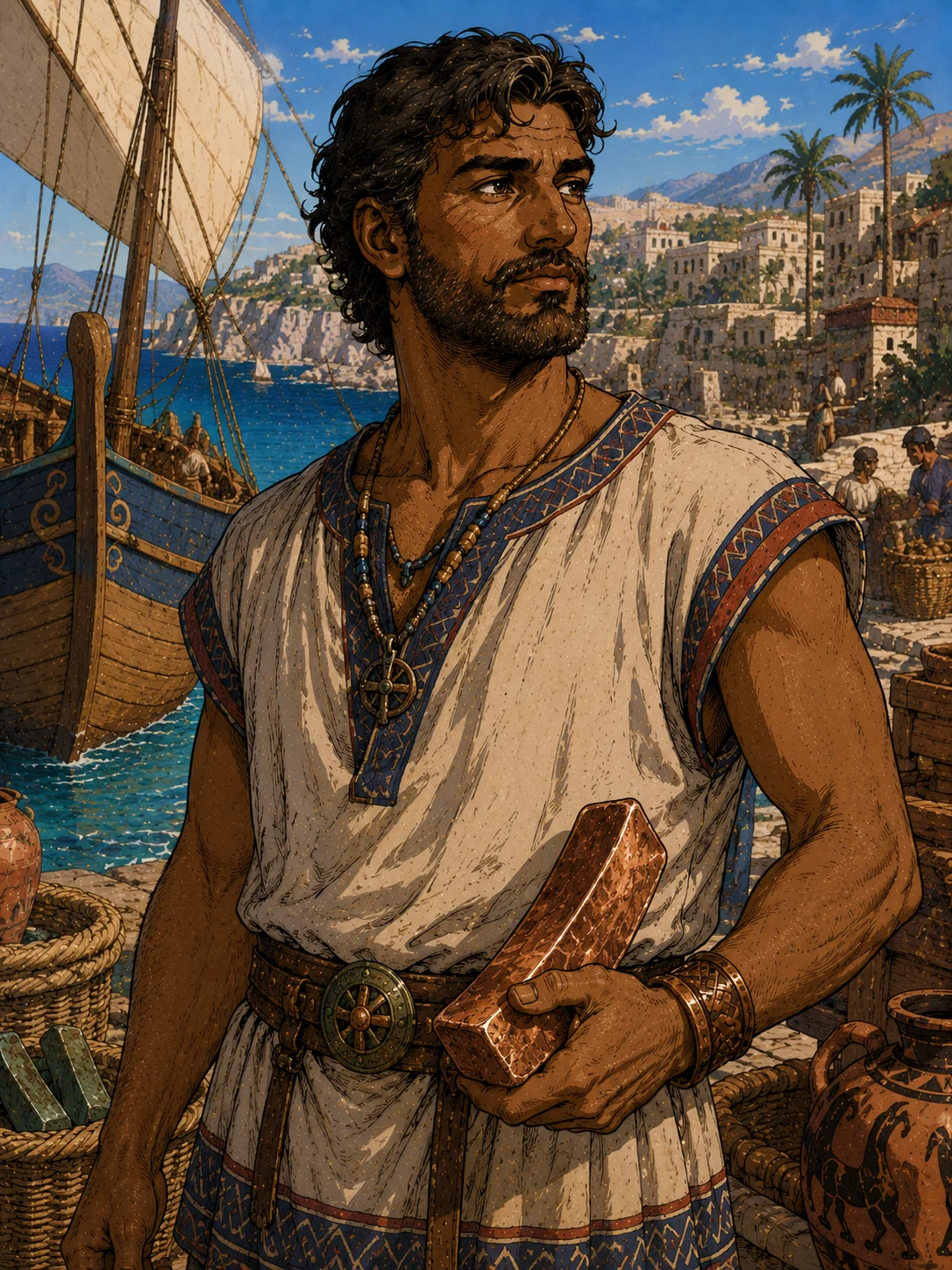
Tartessos, southwestern Spain. "Ships of Tarshish" — the far western Mediterranean. Jonah's destination.
Kittim
כִּתִּיםKittim10:4
Cyprus, then broadened to Romans. Daniel 11:30 — ships of Kittim oppose Antiochus. Dead Sea Scrolls use for Rome.
דֹדָנִיםDodanim10:4
Rhodes or Dardanians (Troy region). 1 Chr reads "Rodanim" supporting Rhodes.
Ham's Grandchildren
From Cush
Nimrod
נִמְרֹדNimrod10:8–12
The mighty hunter. First empire: Babel, Erech, Accad; then Nineveh, Calah. Builder of the world's first cities.
סְבָאSeba10:7
Meroe/Nubia — the upper Nile capital of Kush. Isaiah 43:3 pairs Seba with Egypt.
חֲוִילָהHavilah (Cush)10:7
Cushite Havilah — possibly East African coast or Arabian peninsula gold region (Gen 2:11).
סַבְתָּהSabtah10:7
Possibly Shabwa — the ancient Hadramauti capital in Yemen.
Raamah
רַעְמָהRaamah10:7
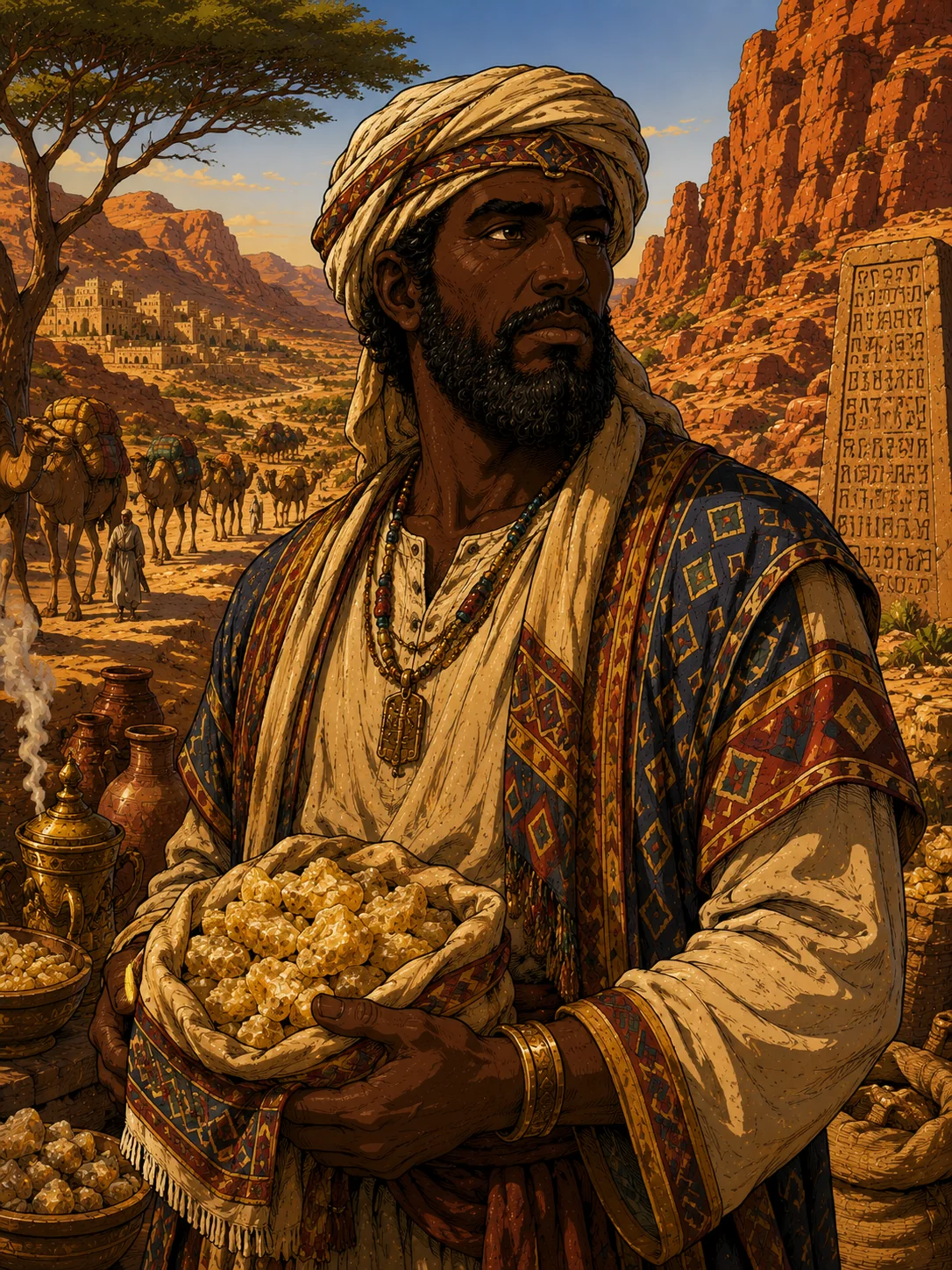
South Arabian trading people. Father of Sheba and Dedan. Spice merchants of Tyre (Ezek 27:22).
סַבְתְּכָאSabtechah10:7
Unidentified — possibly southeastern Arabian coast.
From Mizraim
לוּדִיםLudim10:13
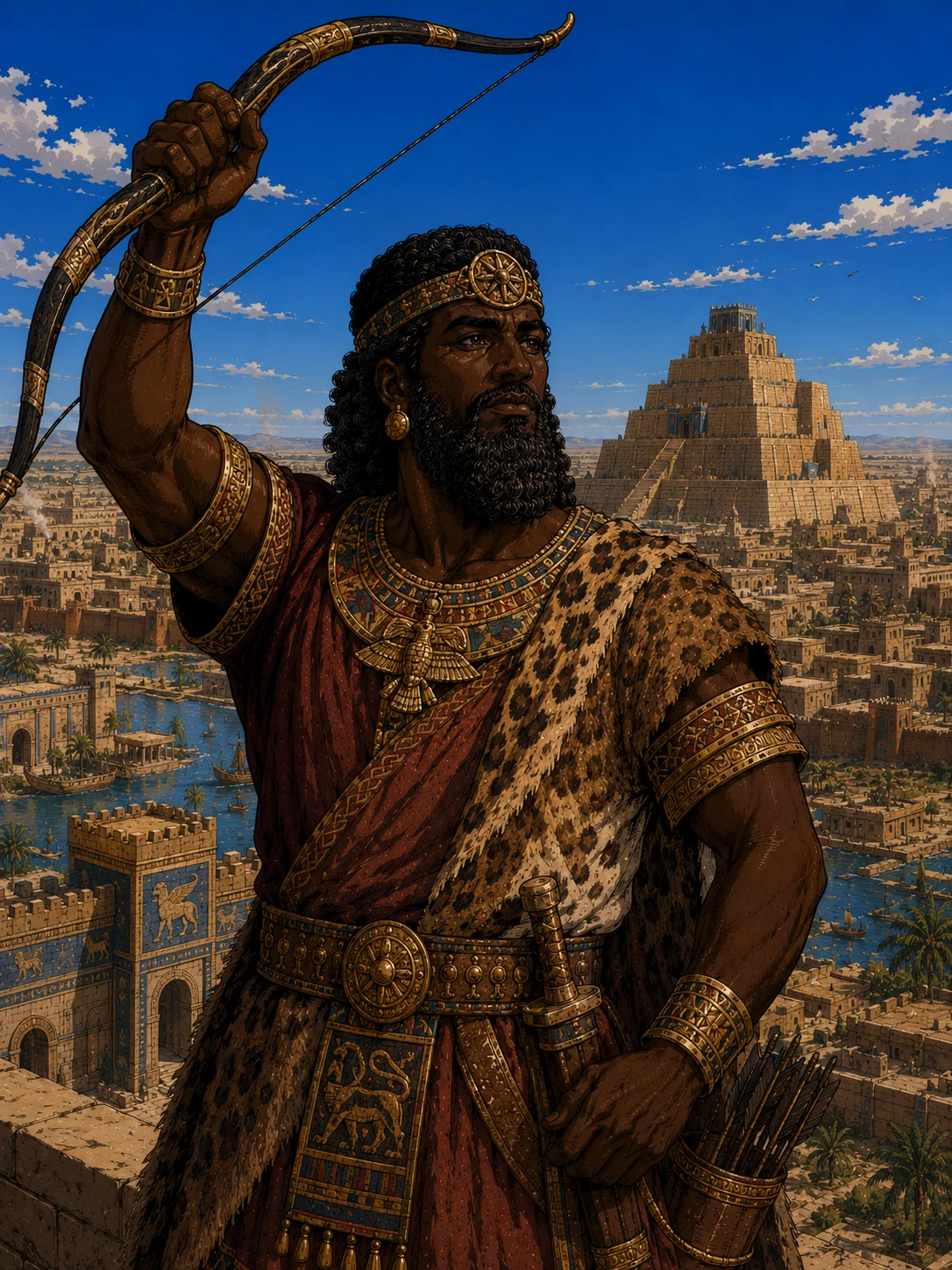
Libyan or Nile Delta peoples. Noted as archers in Egyptian and Assyrian armies.
עֲנָמִיםAnamim10:13
Possibly western desert oasis peoples of Egypt.
לְהָבִיםLehabim10:13
Libya proper — the Libu of Egyptian records.
נַפְתֻּחִיםNaphtuhim10:13
The people of the Delta / Memphis region of northern Egypt.
פַּתְרֻסִיםPathrusim10:14
People of Pathros — Upper Egypt, the Nile Valley south of Memphis.
כַּסְלֻחִיםCasluhim10:14
Ancestor of the Philistines. Possibly the eastern Nile Delta / Sinai border peoples.
כַּפְתֹּרִיםCaphtorim10:14
Crete/Aegean. Amos 9:7 — Philistines came from Caphtor. Part of the Sea Peoples migration.
From Canaan
Sidon
צִידֹןSidon10:15
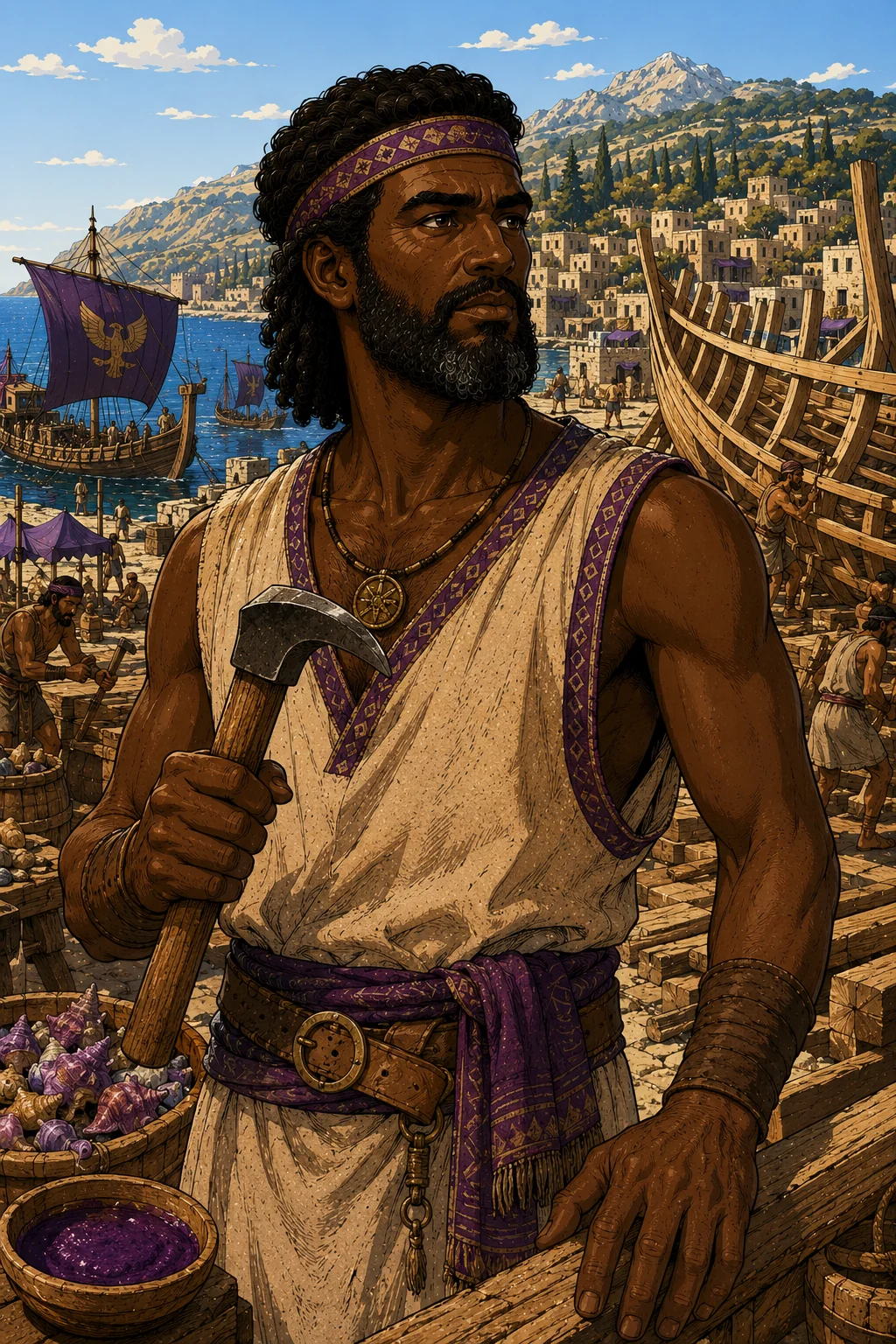
Firstborn of Canaan. Premier Phoenician city — Jezebel was a Sidonian princess.
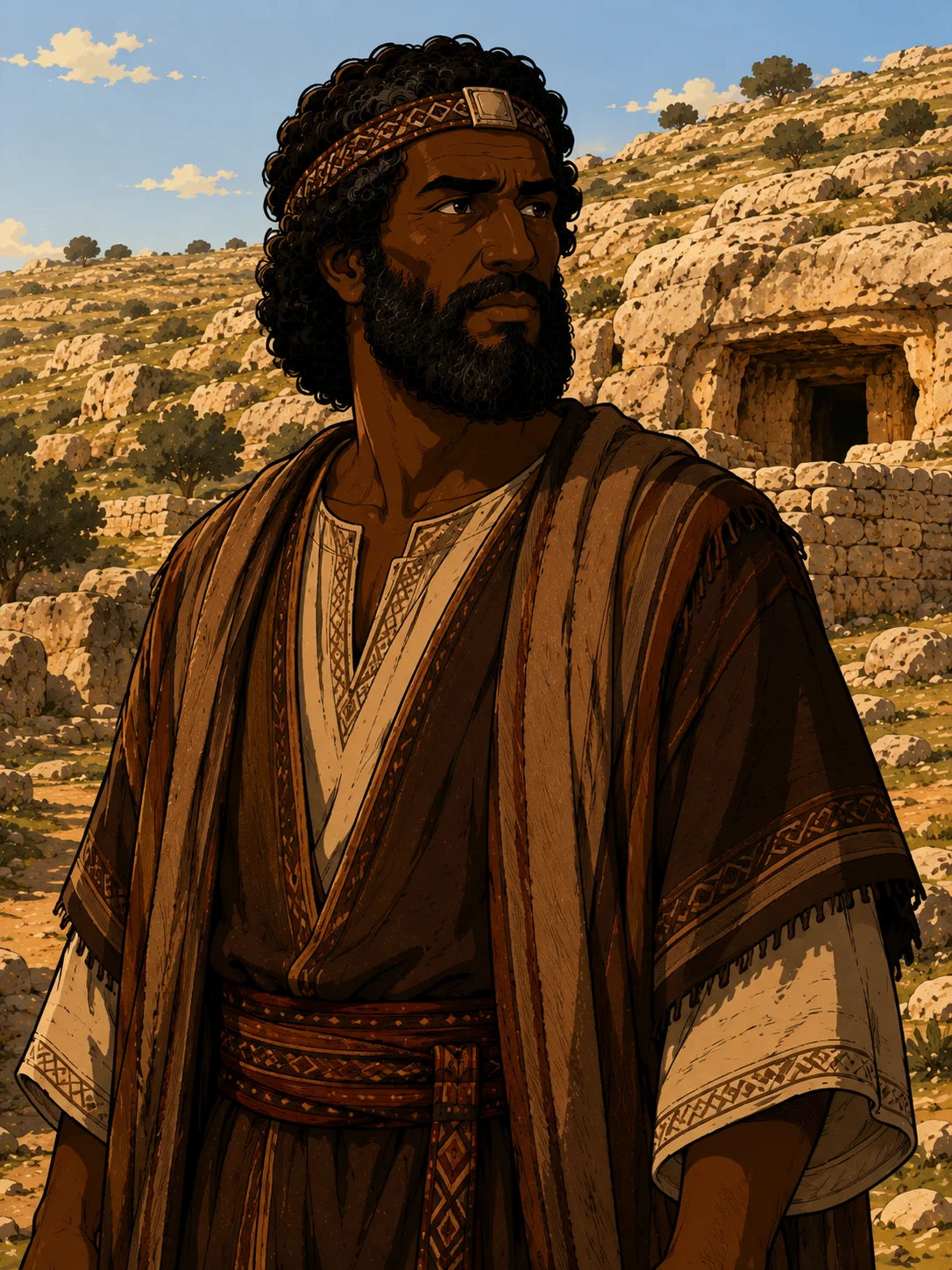
Heth
חֵתHeth10:15
Canaanite Hittites — Abraham bought Machpelah from them. Esau's Hittite wives.
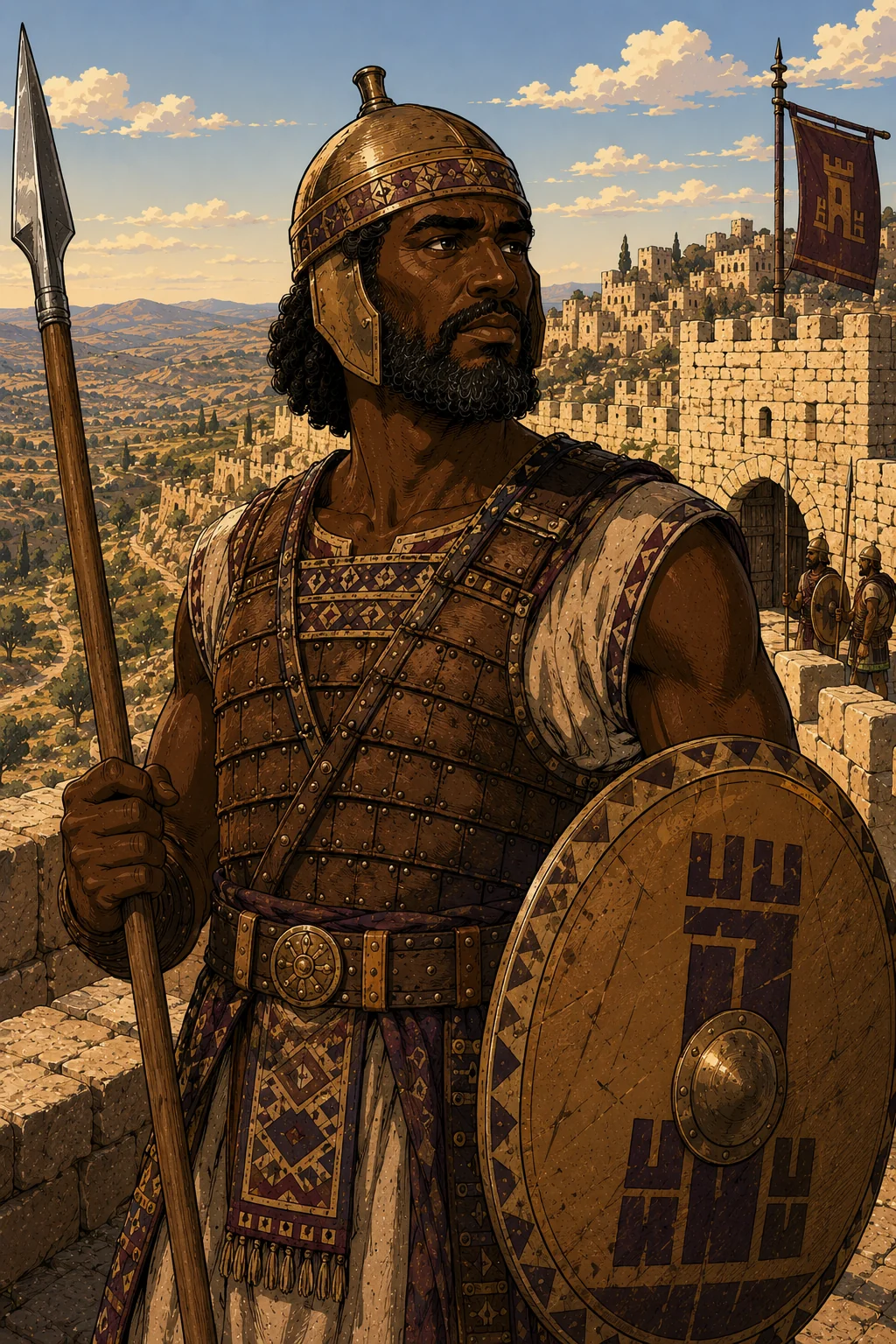
Jebusite
הַיְבוּסִיJebusite10:16
Pre-Israelite Jerusalem (Jebus). Araunah's threshing floor became the temple mount.
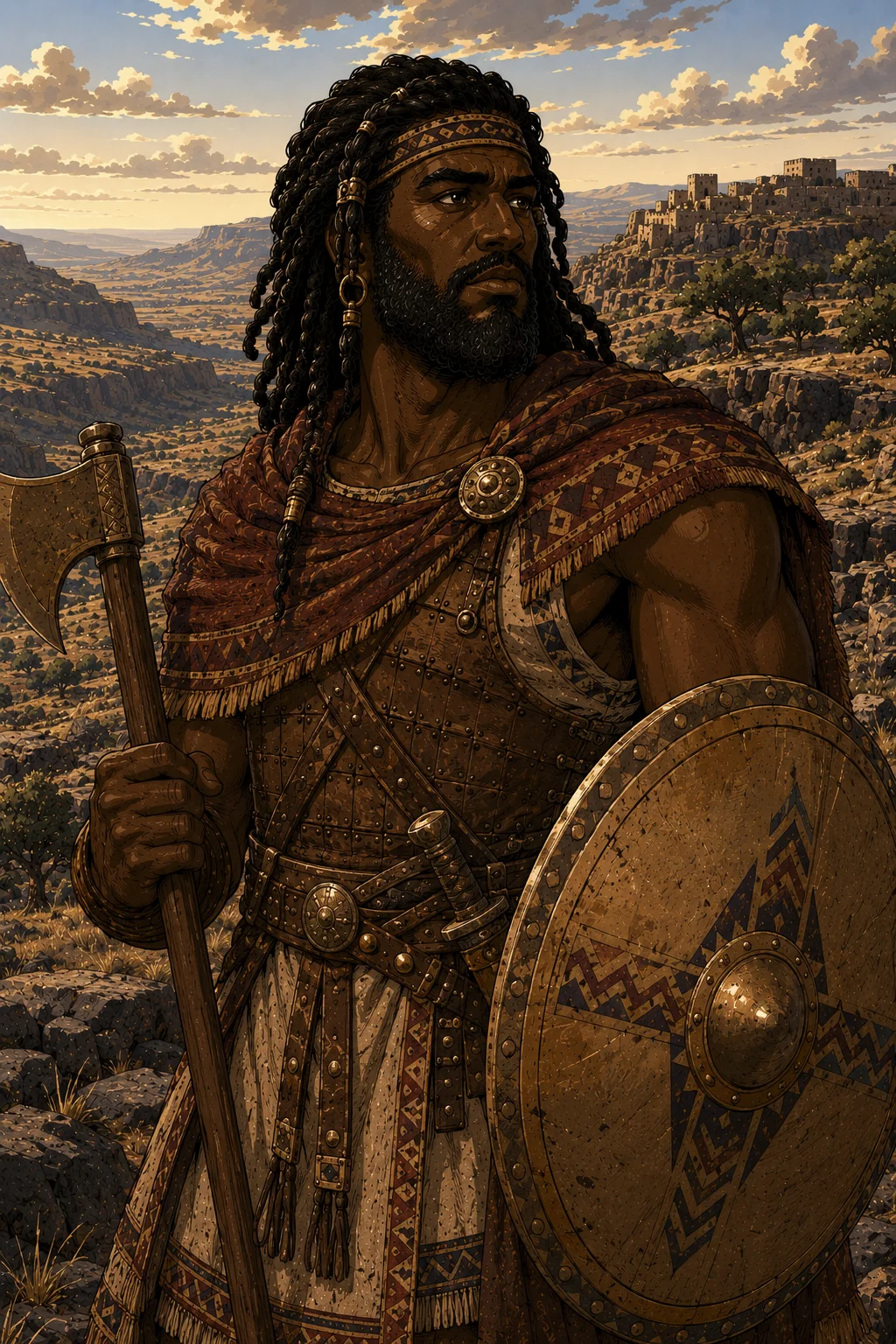
Amorite
הָאֱמֹרִיAmorite10:16
Dominant Canaanite highland people. Og of Bashan, Sihon king of Heshbon. Their iniquity was not yet full in Abraham's time.
הַגִּרְגָּשִׁיGirgashite10:16
One of the seven nations of Canaan. Not prominent in narrative.
הַחִוִּיHivite10:17
Gibeonites who tricked Joshua. Shechem the son of Hamor. Central Canaan and Hermon foothills.
הָעַרְקִיArkite10:17
People of Arqa — modern Tell Arqa, northern Lebanon near Tripoli.
הַסִּינִיSinite10:17
People of Sin — possibly Siyannu/Sinn on the northern Lebanese coast.
הָאַרְוָדִיArvadite10:18
Island city of Arvad off Syrian coast — northernmost Phoenician city. Famous sailors (Ezek 27:8).
הַצְּמָרִיZemarite10:18
Sumur (Simyra) — Syrian coast between Arvad and Tripoli. Bronze Age Egyptian administrative center.
הַחֲמָתִיHamathite10:18
Hamath — modern Hama, Syria. Northern boundary of Canaan. Toi king of Hamath sent gifts to David.
Shem's Grandchildren
From Aram
עוּץUz10:23
Land of Uz — homeland of Job. Hauran region (southern Syria/northern Jordan).
חוּלHul10:23
Possibly the Huleh basin, northern Galilee/southern Syria.
גֶּתֶרGether10:23
Unknown — obscure Aramean people. No independent attestation.
מַשׁMash10:23
Possibly Mount Masius, southeastern Turkey. 1 Chr reads Meshech — textual variant.
From Arphaxad — Messianic Line
שֶׁלַחShelah10:24
Son of Arphaxad, father of Eber. The Messianic line continues through Shelah.
IV
Fourth Generation
The Messianic line deepens · children of Raamah, Casluhim, and Shelah
4 entries
Japheth's Line
No new entries at this generation
Ham's Line
From Raamah
שְׁבָאSheba (Ham)10:7
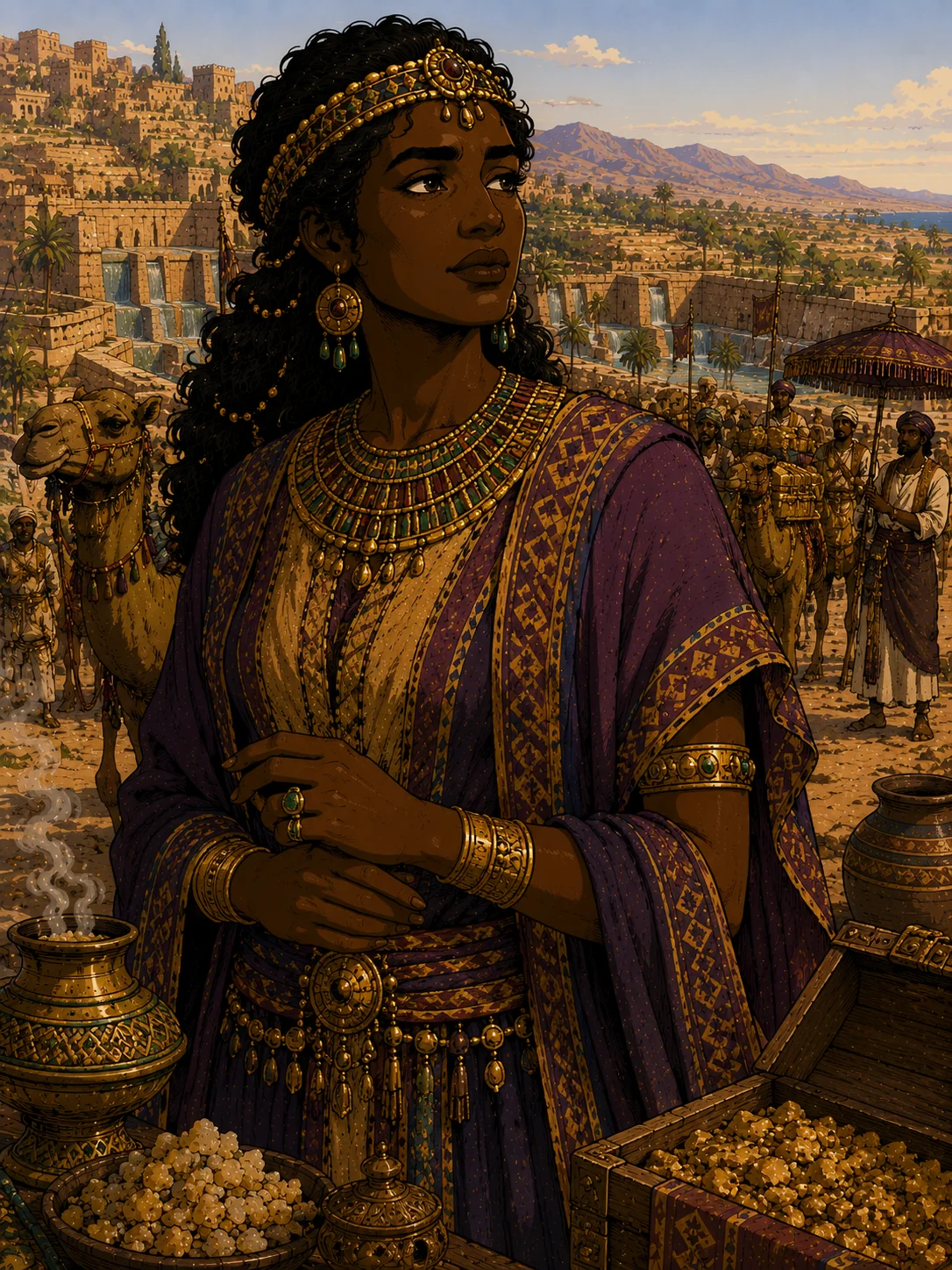
Son of Raamah — South Arabian Sheba. Queen of Sheba, gold trade, frankincense.
דְדָןDedan10:7
Northwestern Arabian trading people — oasis of al-Ula (ancient Dedan). Major caravan hub.
From Casluhim
Philistines
פְּלִשְׁתִּיםPhilistines10:14
Sea Peoples who settled Gaza coast c.1200 BCE. Five lords, iron weapons, perpetual enemy of Israel through David.
Shem's Line — Messianic Path
From Shelah
Eber
עֵבֶרEber10:24
Eponymous ancestor of the Hebrews (Ivri = "from Eber"). Father of Peleg and Joktan — the great branching.
V
Eber's Sons — The Great Division
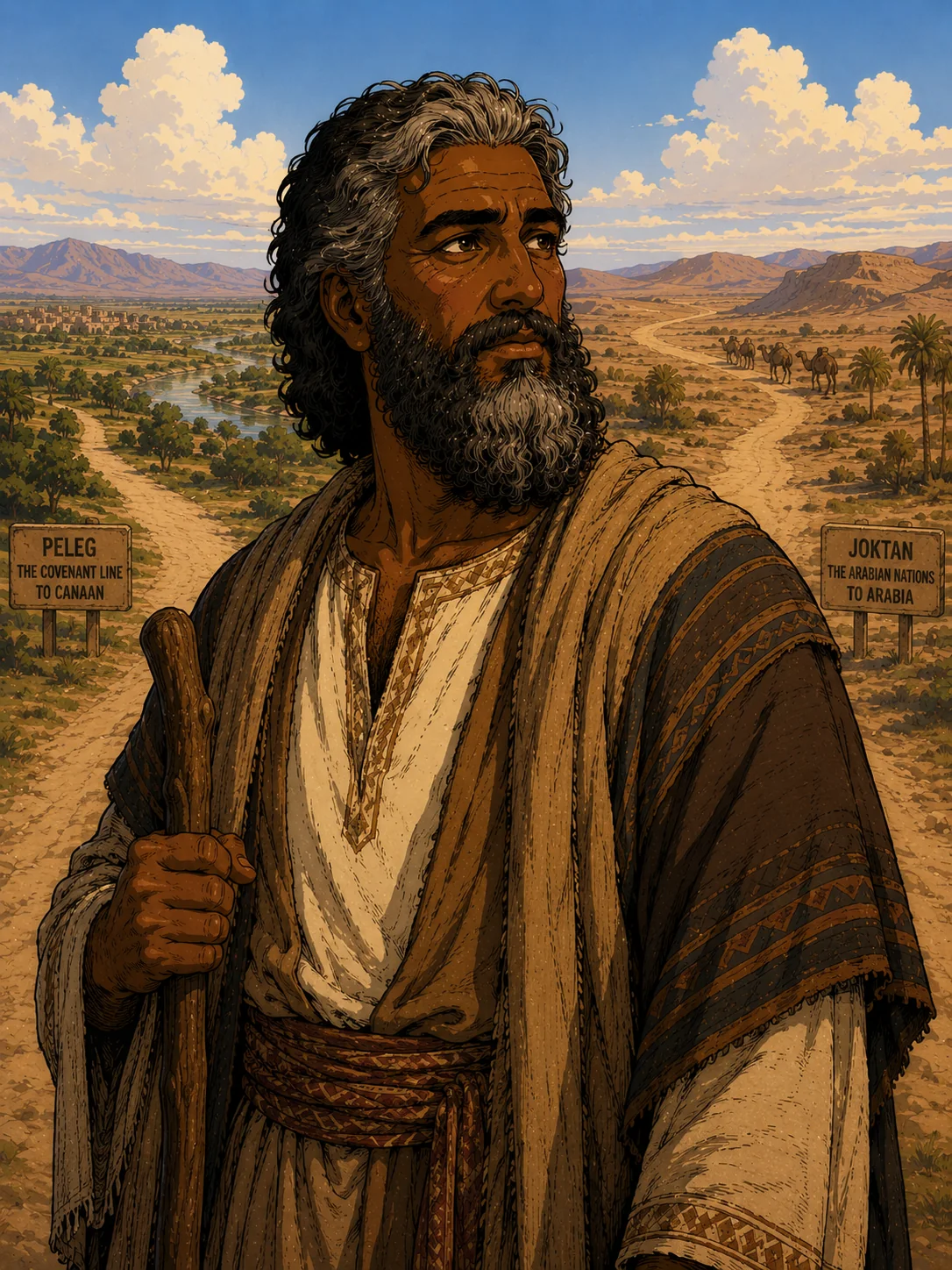
The line divides: Peleg (the Messianic path) and Joktan (13 Arabian peoples) · Genesis 10:25
2 entries
Japheth's Line
No new entries at this generation
Ham's Line
No new entries at this generation
Shem's Line — From Eber
פֶּלֶגPeleg10:25
Son of Eber — "in his days the earth was divided" (Babel). Direct ancestor of Abraham. The Messianic line continues through Peleg.
Joktan
יָקְטָןJoktan10:25
Peleg's brother — father of 13 South Arabian peoples. Qahtan of Arab tradition. His sons populate the Arabian peninsula.
VI
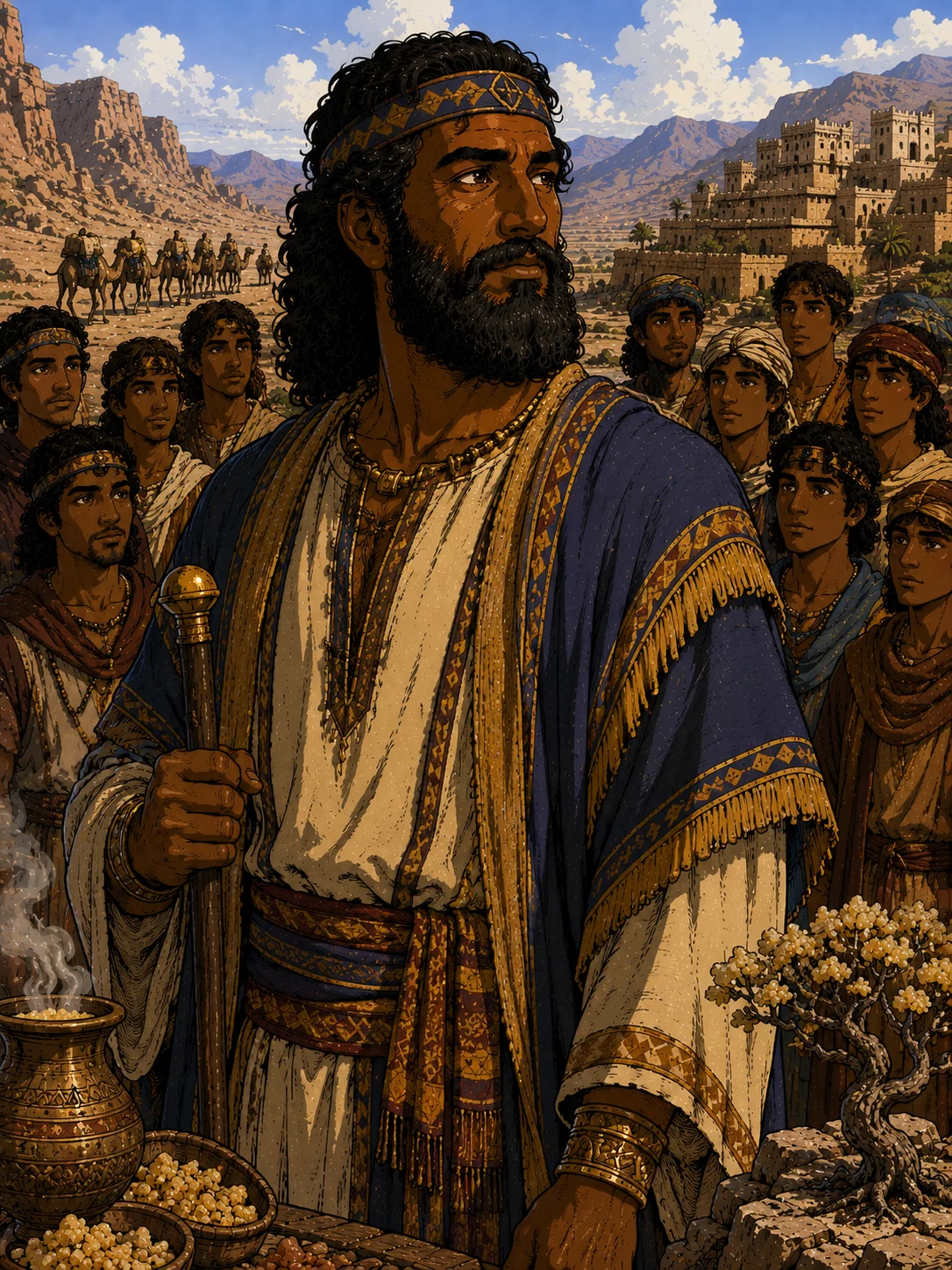
Arabian Peoples — Sons of Joktan
13 South Arabian nations descended from Joktan · Genesis 10:26–29 · Deepest generation recorded in the Table
13 nations
Japheth's Line
No new entries at this generation
Ham's Line
No new entries at this generation
Shem's Line — From Joktan
אַלְמוֹדָדAlmodad10:26
First of Joktan's 13 sons — South Arabia.
שָׁלֶףSheleph10:26
Possibly Salfaeeni — Yemen.
חֲצַרְמָוֶתHazarmaveth10:26
Hadramaut, Yemen — one of the clearest IDs in the Table. Ancient frankincense heartland.
יֶרַחJerah10:26
Means "moon" — possibly lunar-cult tribes of South Arabia.
הֲדוֹרָםHadoram10:27
Possibly Adramitae of South Arabia.
אוּזָלUzal10:27
Ancient Azal = modern Sanaa, Yemen. Ezek 27:19 confirms it as Tyre's trading partner.
דִּקְלָהDiklah10:27
Means "palm grove" in Aramaic — unidentified Arabian tribe.
עוֹבָלObal10:28
1 Chr reads Ebal. Yemen highlands — unidentified.
אֲבִימָאֵלAbimael10:28
"My father is El" — theophoric name. South Arabian tribe.
Sheba
שְׁבָאSheba (Shem)10:28
Sabaean kingdom of Yemen. Sheba appears in both Ham and Shem lines — dual ethnicity of South Arabian peoples. Queen of Sheba.
Ophir
אוֹפִירOphir10:29
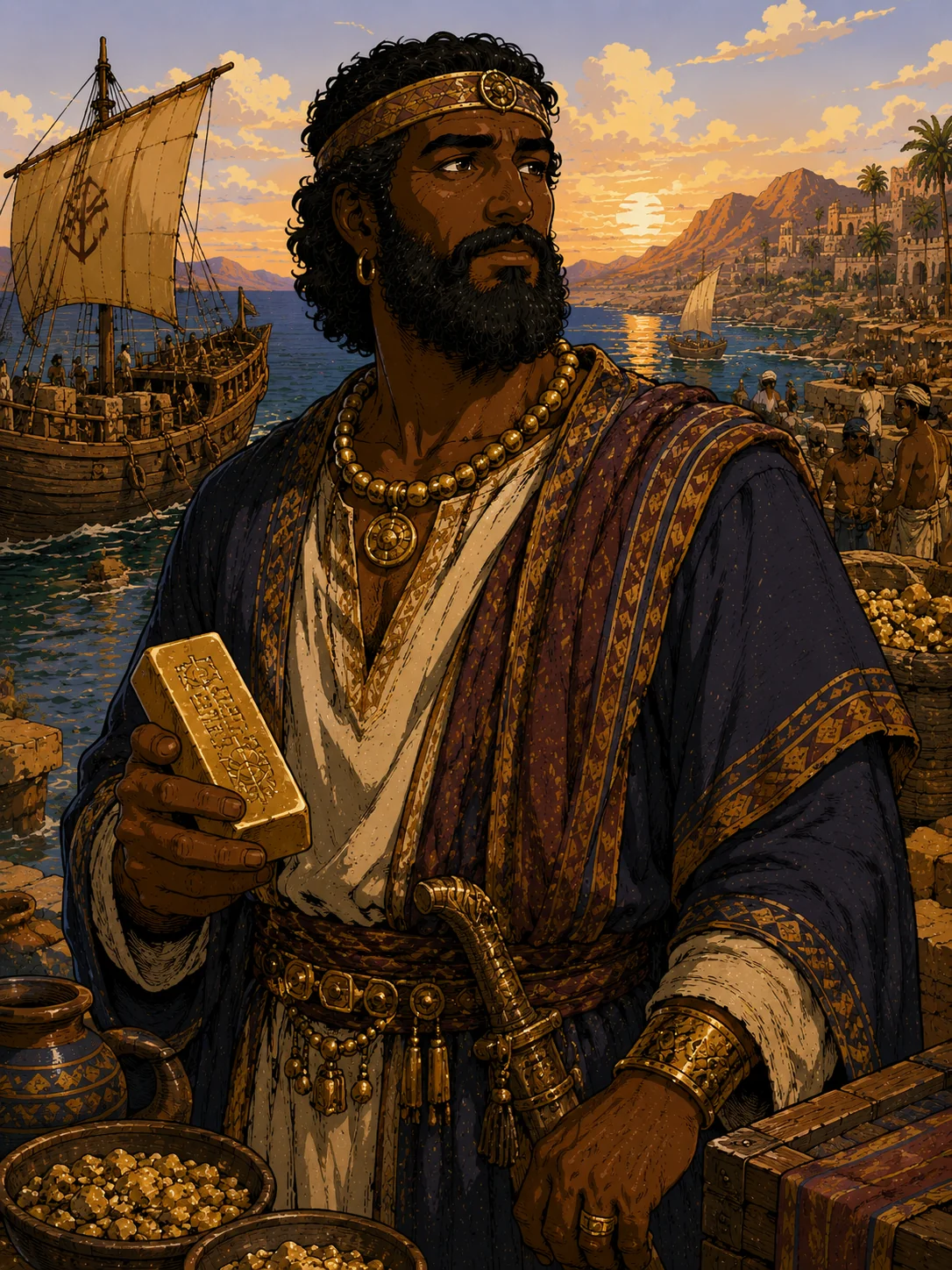
Solomon's gold source — 420 talents every 3 years. Likely Oman. Confirmed by Tel Qasile ostracon.
חֲוִילָהHavilah (Shem)10:29
Eastern Arabia — Ishmael's territory stretched from Havilah to Shur (Gen 25:18). Also appears in Cush line.
יוֹבָבJobab10:29
Last of Joktan's 13 sons — completing the Table. Some ancient traditions identify with Job.