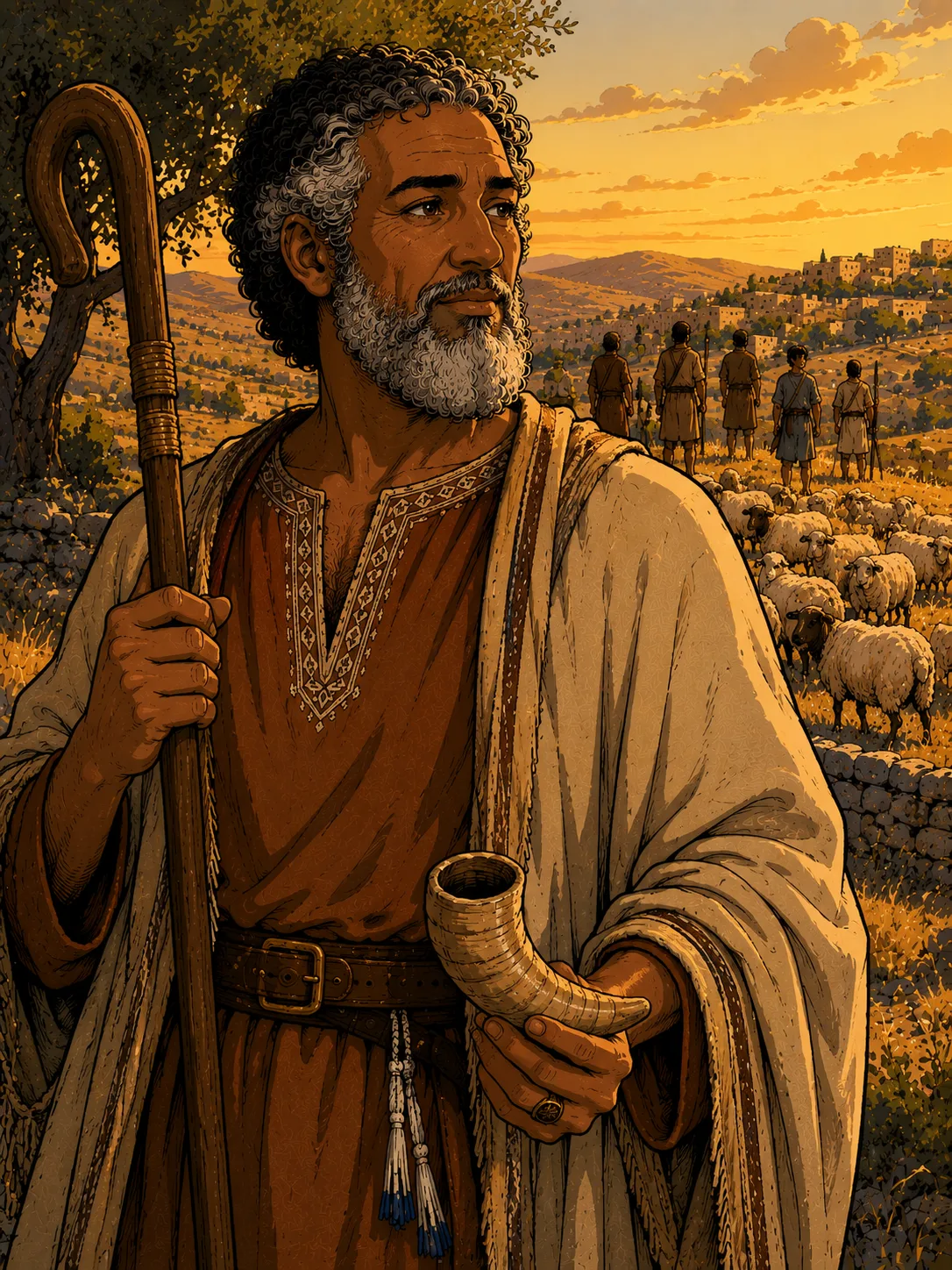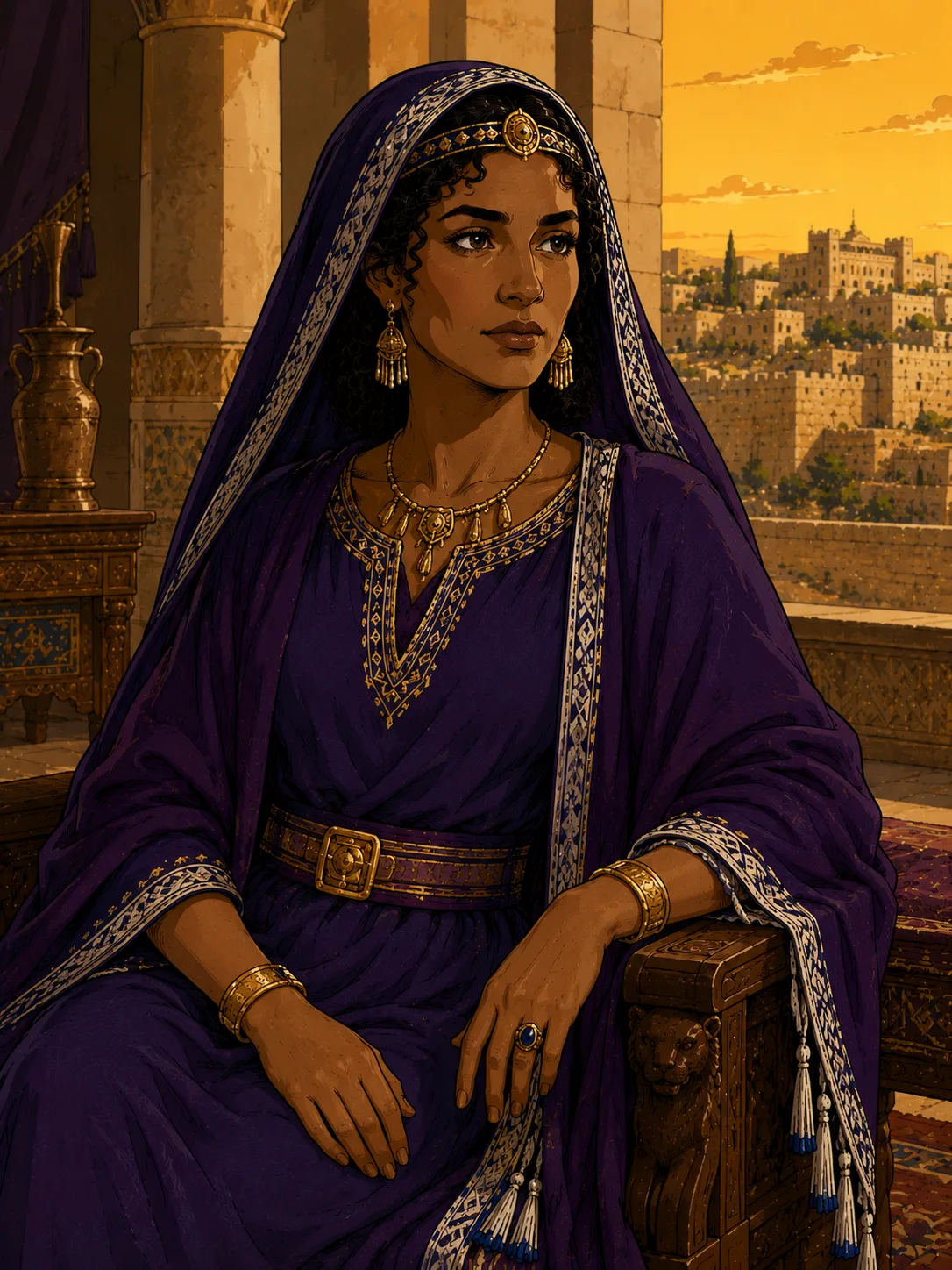
Bathsheva — “daughter of the oath,” or “daughter of seven” — was the daughter of Eliam and the wife of Uriyah ha-Chiti (Uriah the Hittite), a member of David’s elite guard (2 Samuel 23:34, 39). 2 Samuel 11 records the events for which she is best known: David saw her, sent for her, and after she conceived, arranged for Uriyah’s death in battle to cover the matter. The prophet Natan confronted David directly (2 Samuel 12), and the child of that union died. David’s grief and repentance are widely associated with Psalm 51.
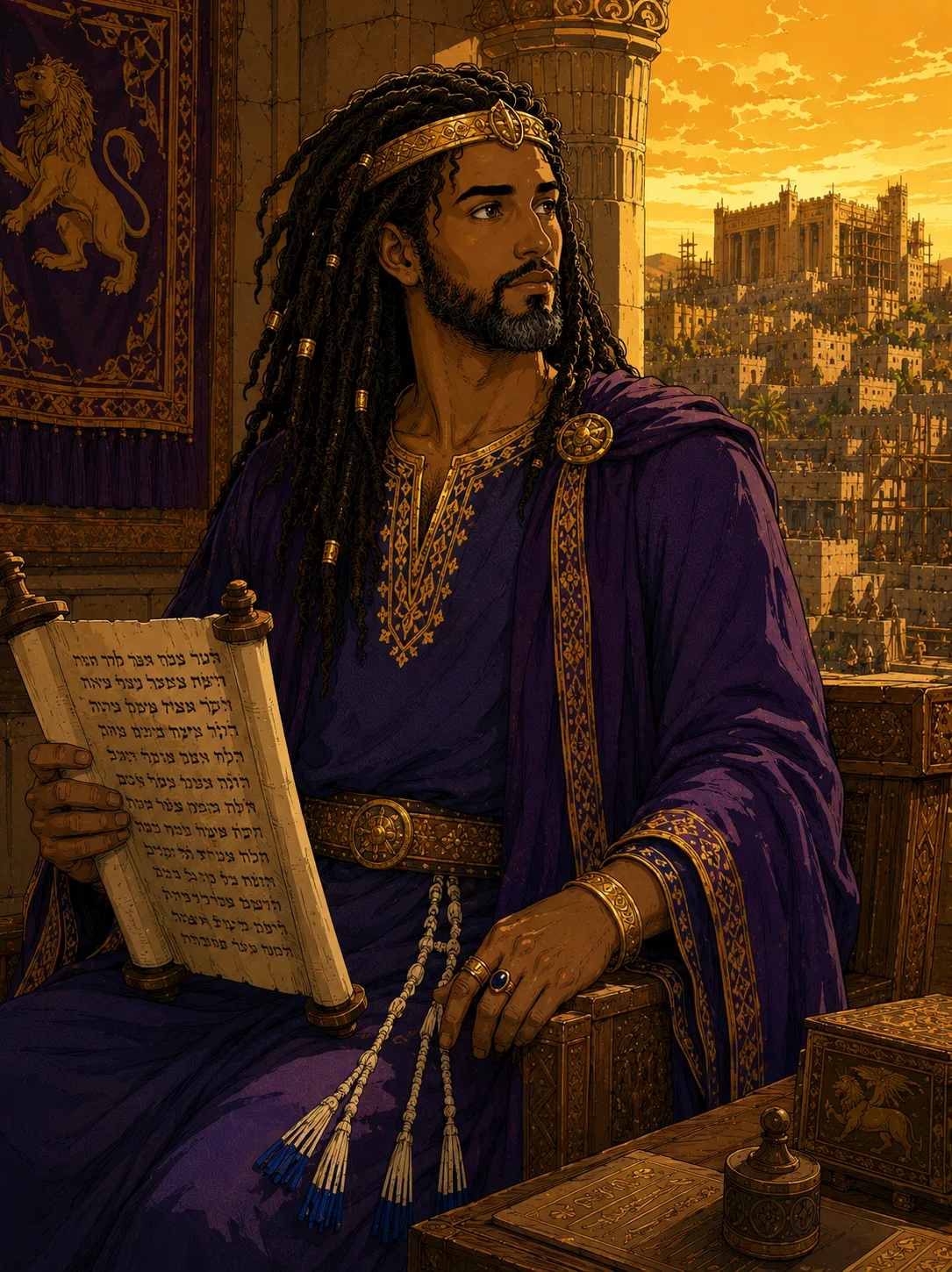
Bathsheva then became David’s wife. 1 Chronicles 3:5 names her — there called Bat-Shua — as the mother of four of David’s sons: Shlomo, Shovav, Natan, and Shamua. Of these, Shlomo is by far the most significant: 1 Kings 1–2 shows Bathsheva playing a decisive role in securing his succession to the throne over his older half-brother Adoniyahu, acting at the prophet Natan’s urging.
Her appearance in the New Testament is unusually pointed. Matthew 1:6, listing the ancestors of Yeshua, names David as “the father of Shlomo by the wife of Uriyah” — not by Bathsheva’s own name, but by reference back to the man she was married to before. Whether this is Matthew quietly marking the wrong that was done, honoring Uriyah’s memory, or both, the effect is the same: the genealogy of the Messiah does not erase the episode. It is carried, openly, into the line itself — alongside Tamar, Rahav, and Ruth, the other women named in that same genealogy whose stories involve scandal, foreignness, or both, and whom Matthew nonetheless places at the foundation of the royal line.
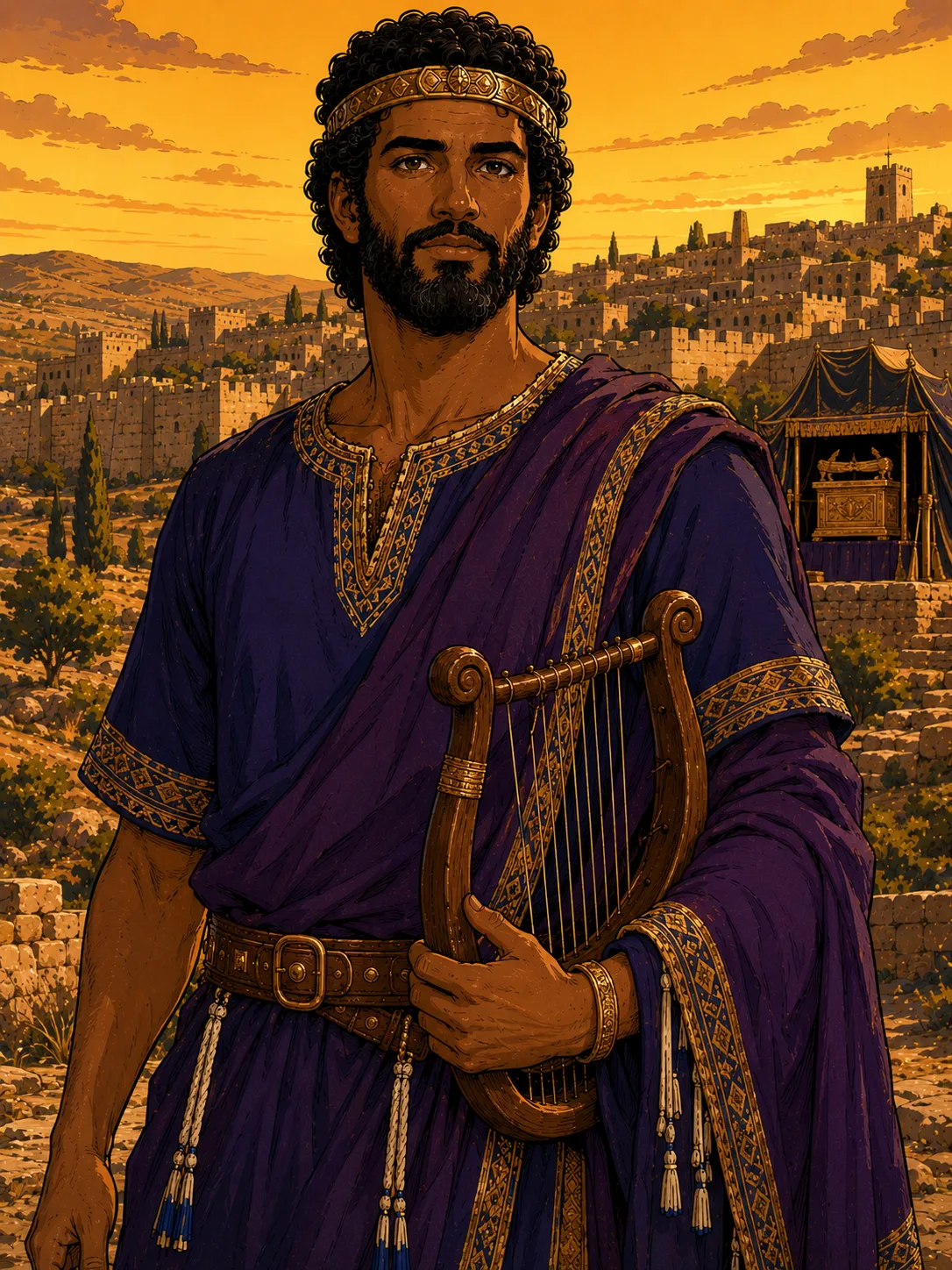 David דָּוִד
 Solomon