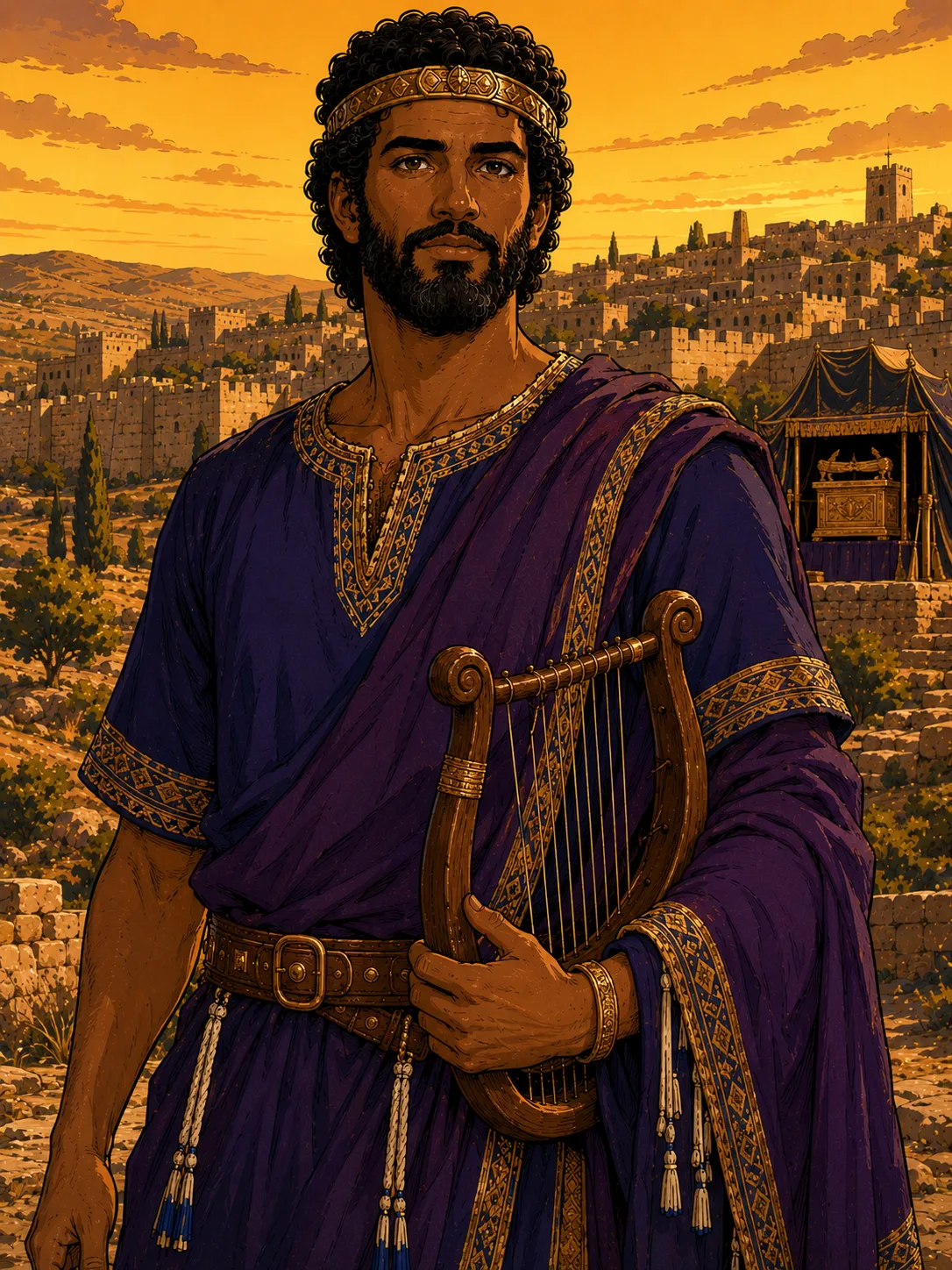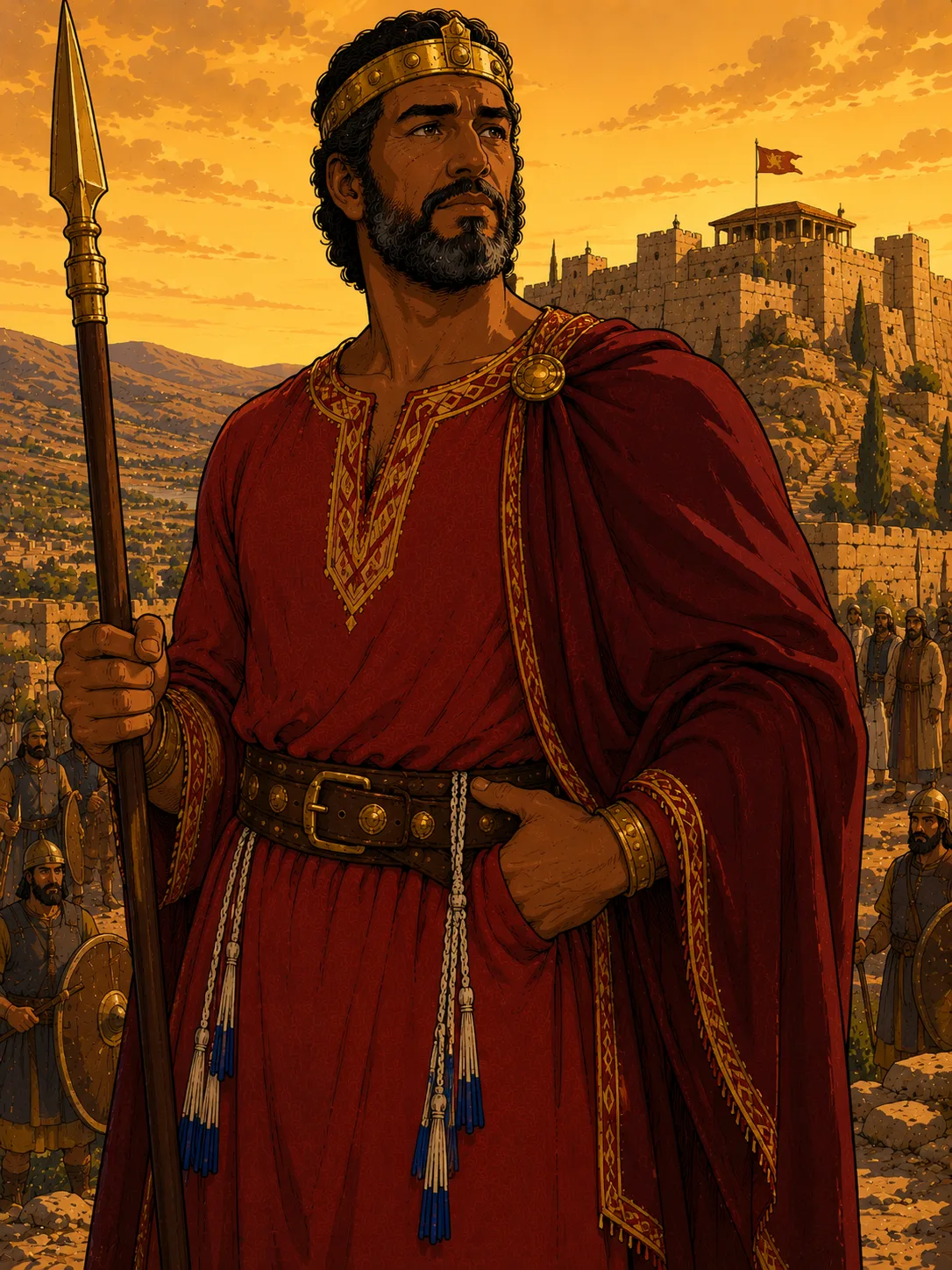
1 Samuel 9 introduces Shaul, son of Kish of the tribe of Binyamin, with a single striking detail: he was “a choice young man and a goodly… higher than any of the people from his shoulders and upward” (1 Samuel 9:2). He was anointed privately by Shmuel while out searching for his father’s lost donkeys — an almost comic beginning for a king. Publicly, he was chosen by lot at Mitzpah and acclaimed before all Israel, though he was found hiding among the baggage (1 Samuel 10:17–24).
His first act as king united the nation: he delivered the besieged city of Yavesh-Gilad from the Ammonites, and the people who had doubted him rallied behind him (1 Samuel 11). But the reign that began so well unraveled through two specific failures. At Gilgal, unwilling to wait for Shmuel, Shaul offered a sacrifice he had no right to offer (1 Samuel 13:8–14) — and later, sent to destroy Amalek completely, he spared King Agag and the best of the spoil. Shmuel’s verdict was final: “Yah has rejected you from being king” (1 Samuel 15).
From that point, “the Spirit of Yah departed from Shaul, and an evil spirit from Yah troubled him” (1 Samuel 16:14–23) — and the young David, freshly anointed in secret, was brought in to play the harp for him. What began as comfort became rivalry: after David killed Golyat and the people sang his praises, Shaul’s jealousy turned violent, and 1 Samuel 18–26 traces a long pursuit — including the massacre of the priests of Nov for the “crime” of helping David (1 Samuel 22:6–19).
Shaul’s end is told with unusual pathos. On the eve of his final battle against the Philistines, with Shmuel long dead, he sought out a medium at Endor — and heard his own doom pronounced one last time (1 Samuel 28). The next day, defeated on Mount Gilboa and with three of his sons — including Yehonatan — already dead, Shaul fell on his own sword (1 Samuel 31). David’s lament over Shaul and Yehonatan — “How are the mighty fallen!” (2 Samuel 1:17–27) — closes the story of Israel’s first king with grief rather than judgment.
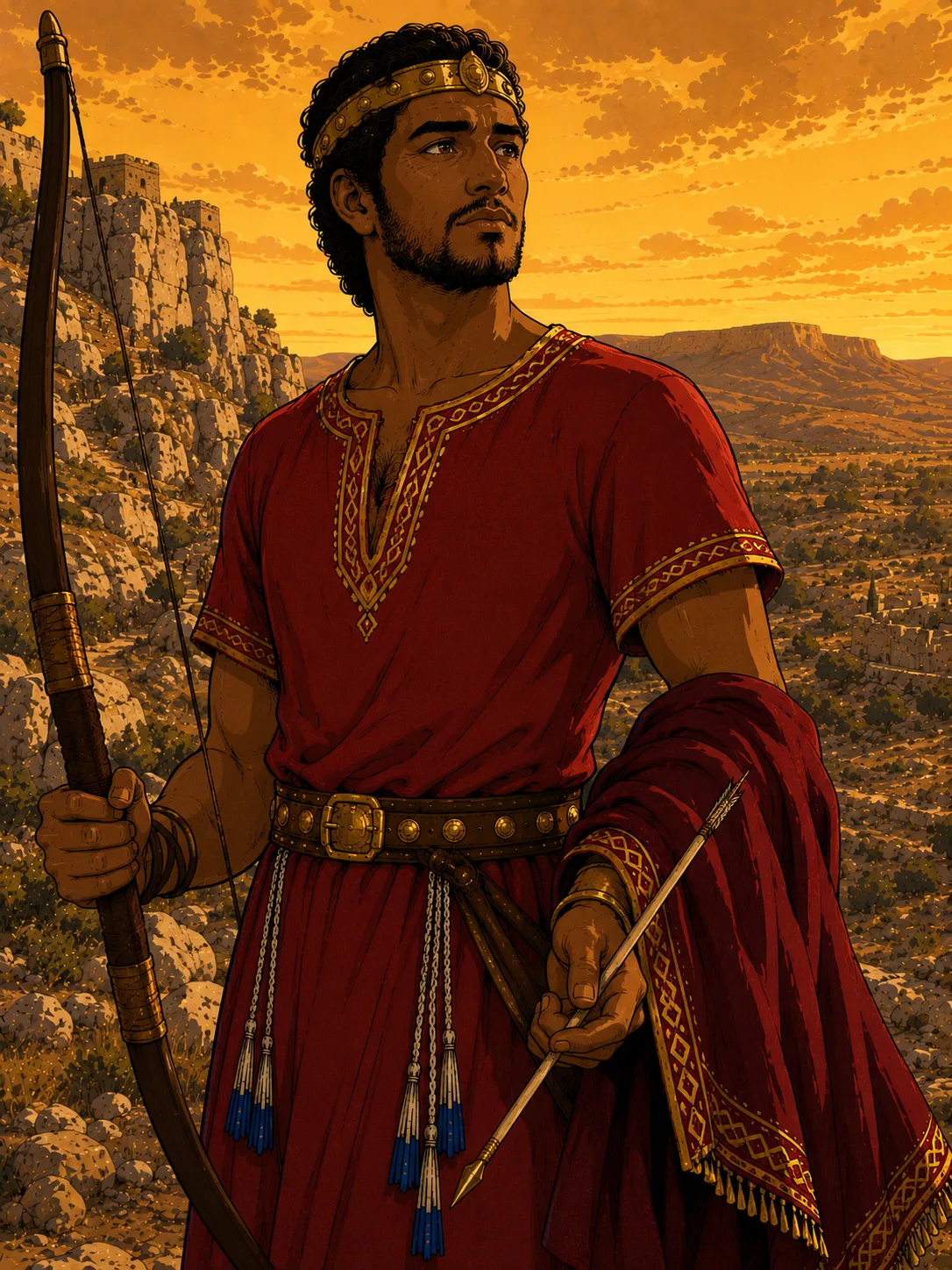 Jonathan יְהוֹנָתָןand others — 1 Samuel 14:49
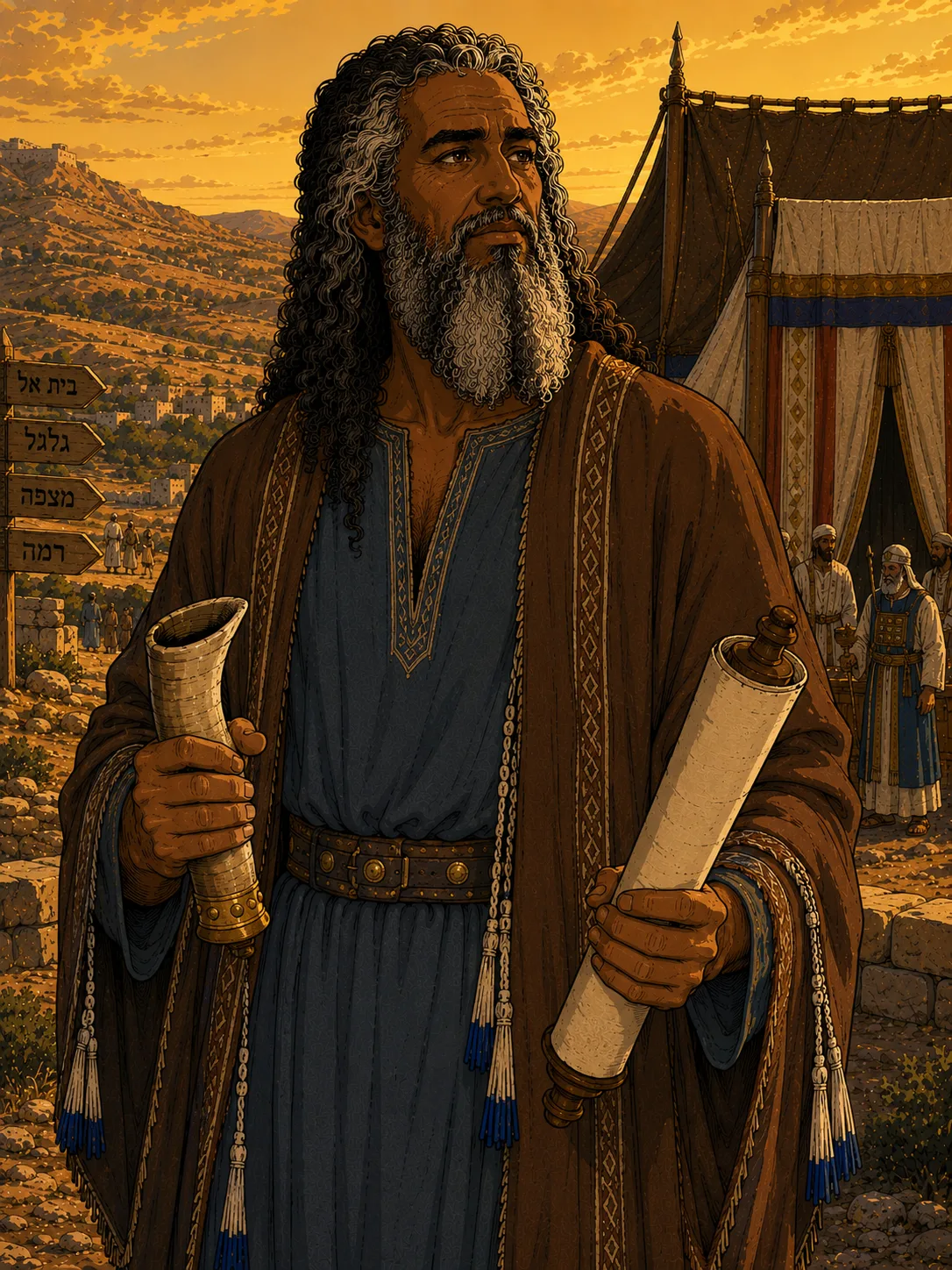 Samuel