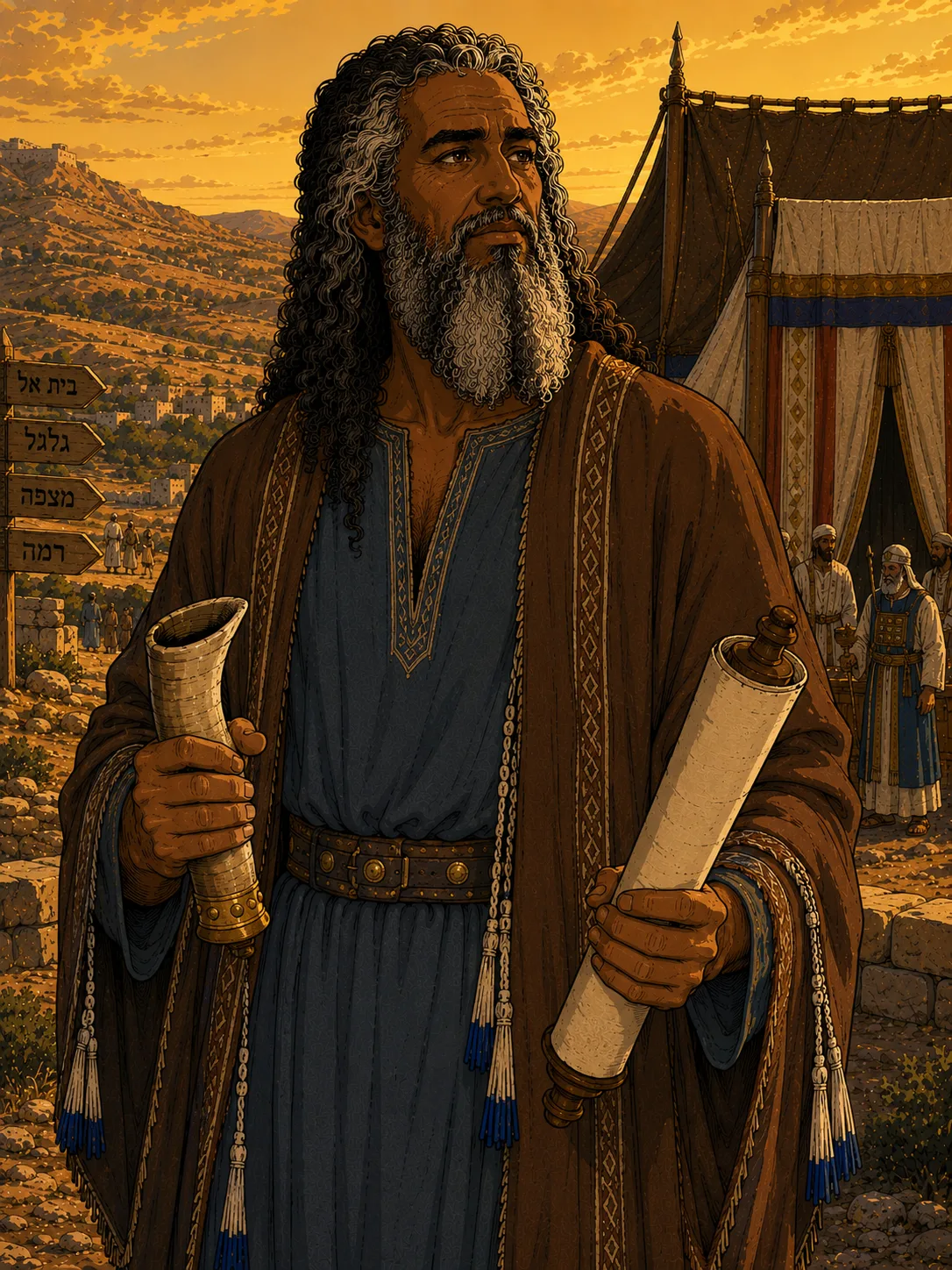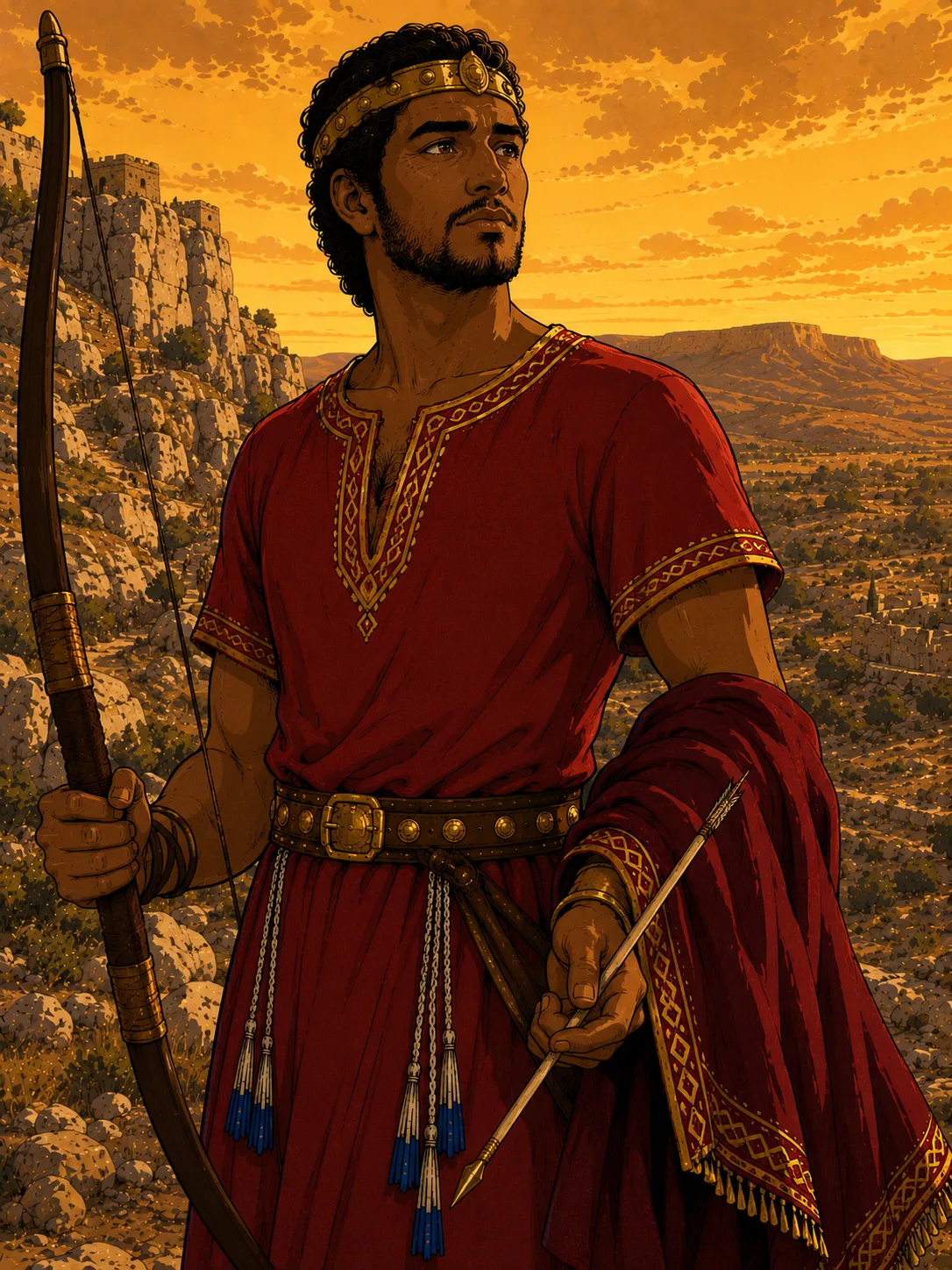
Yehonatan, the eldest son of Shaul (1 Chronicles 8:33), first appears as a warrior in his own right — and a bold one. With only his armor-bearer, he attacked a Philistine garrison at Mikhmash, certain that “Yah can save by many or by few” (1 Samuel 14:1–15). The resulting panic in the Philistine camp turned the battle. Shortly after, Yehonatan nearly paid for his own victory with his life: unaware of an oath his father had sworn, he ate during the battle and was nearly executed for it, saved only when the people intervened (1 Samuel 14:24–45).
But Yehonatan is remembered above all for one relationship. After David’s victory over Golyat, “the soul of Yehonatan was knit with the soul of David, and Yehonatan loved him as his own soul” (1 Samuel 18:1–4). He gave David his robe, armor, sword, and bow — the gear of a crown prince handed to a shepherd’s son — sealing a covenant between them. As Shaul’s jealousy of David grew, Yehonatan repeatedly placed himself between them: warning David, pleading with Shaul, and renewing their covenant even as he understood it might cost him the throne (1 Samuel 20; 23:16–18).
Yehonatan died alongside his father and brothers at the battle of Mount Gilboa (1 Samuel 31:2, 6). David’s lament for him is among the most personal in Scripture: “I am distressed for you, my brother Yehonatan; very pleasant have you been unto me; your love to me was wonderful, passing the love of women” (2 Samuel 1:26).
The friendship outlived them both. Years later, as king, David sought out Yehonatan’s surviving son Mefivoshet and restored to him the land of Shaul’s family, inviting him to eat at the king’s own table — “for Yehonatan your father’s sake” (2 Samuel 9). Of all of Shaul’s house, it is Yehonatan — the crown prince who chose covenant loyalty over his own claim to the throne — whose name David carries forward into mercy.
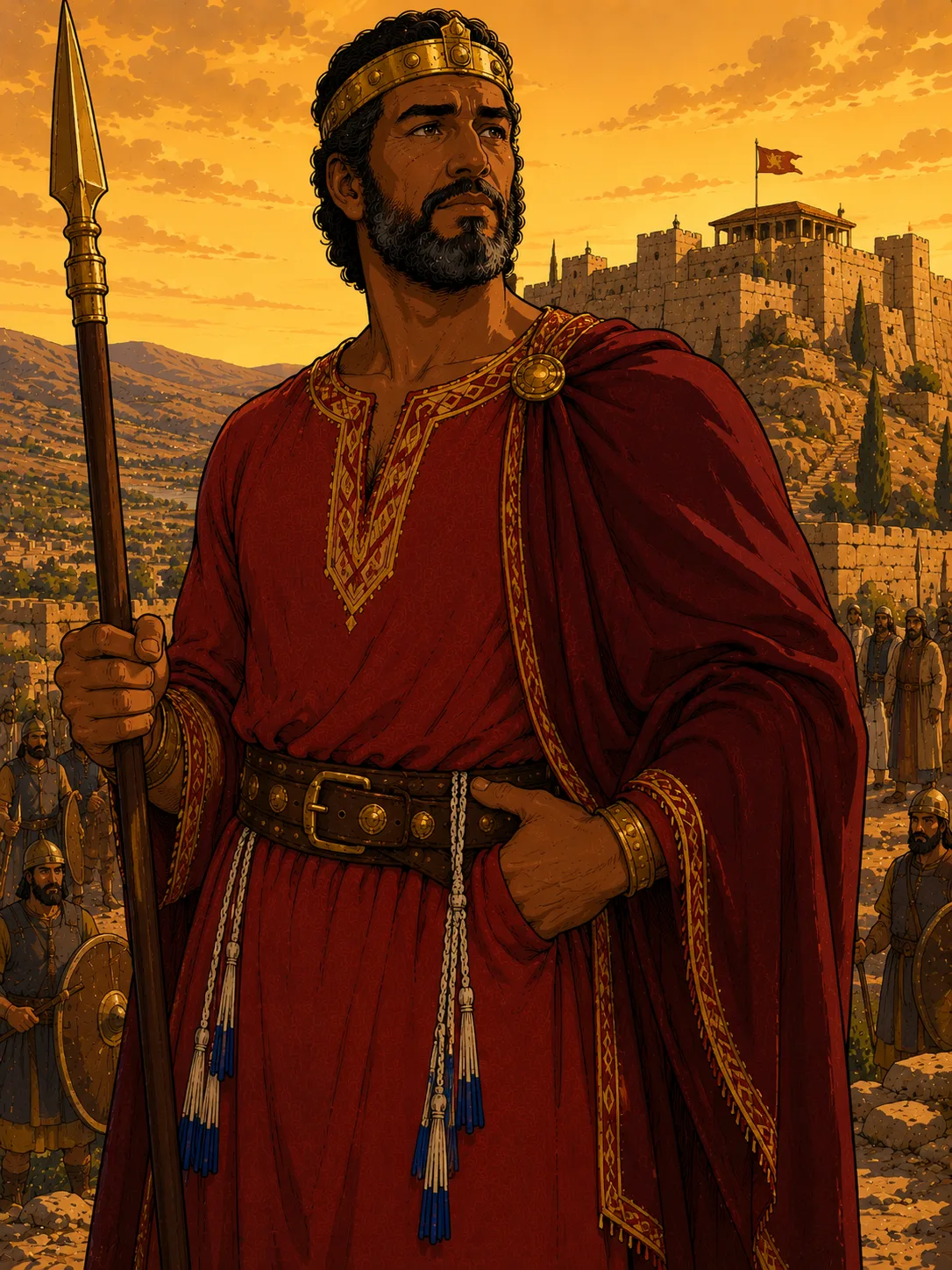 Saul
Saul 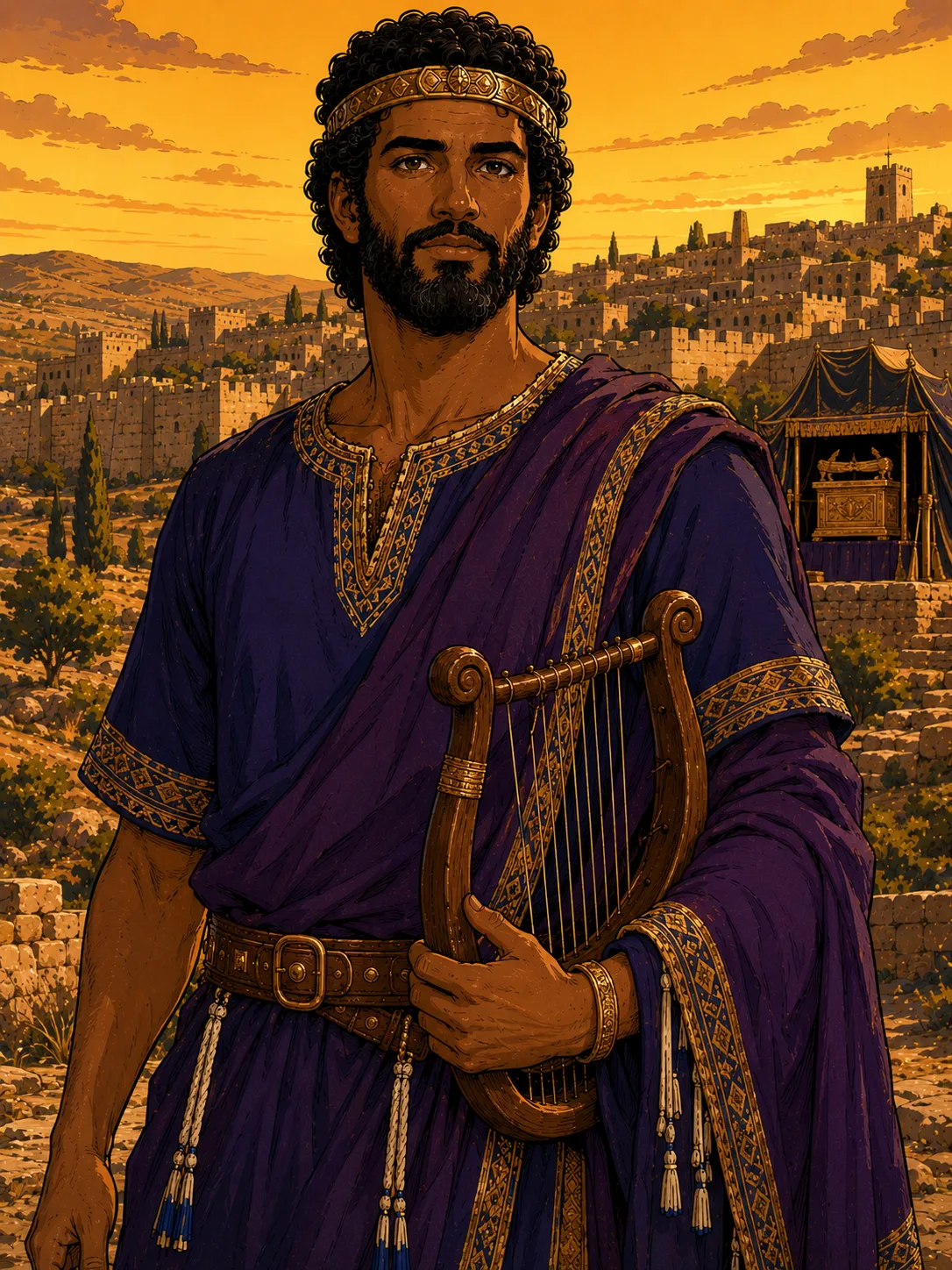 David
David