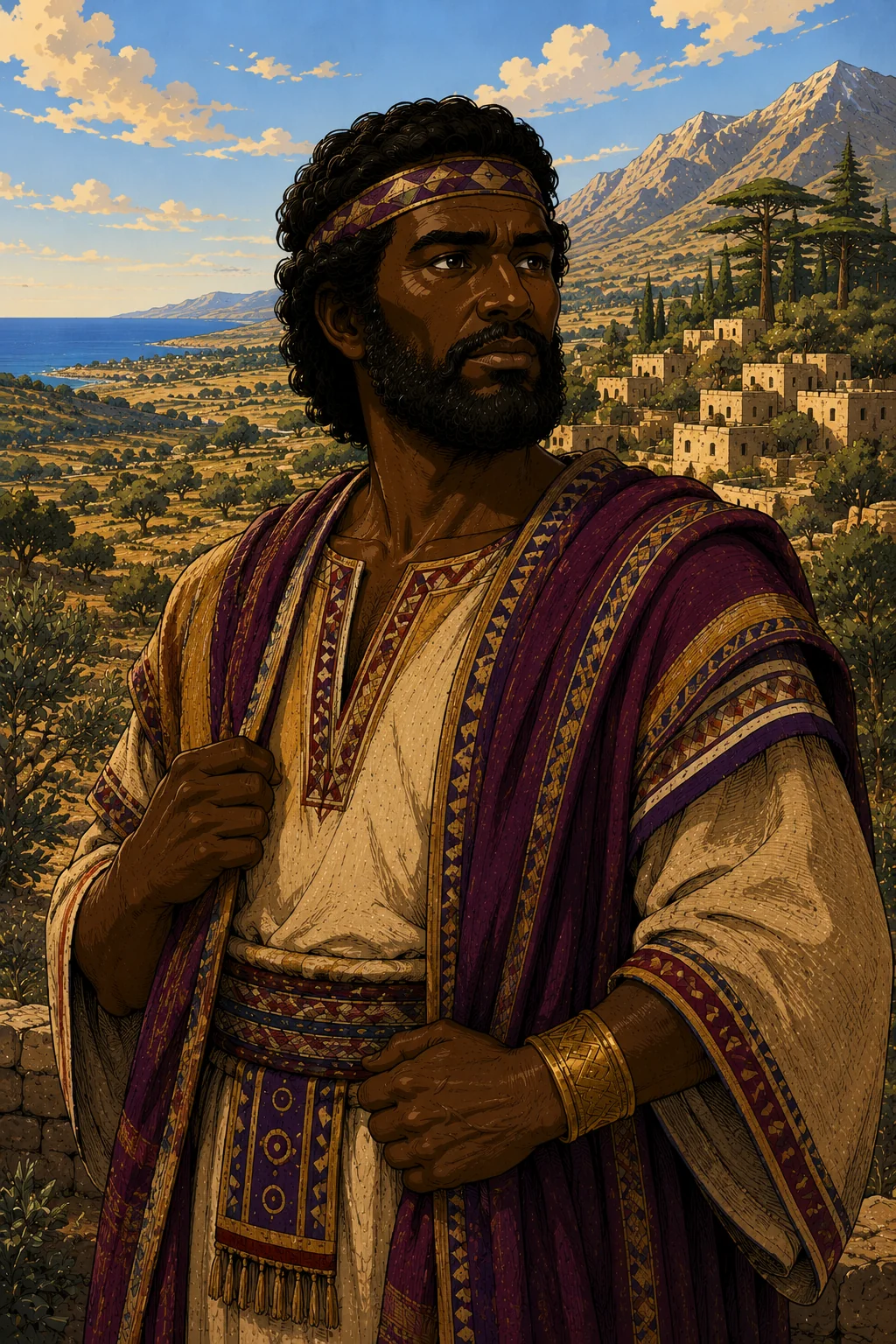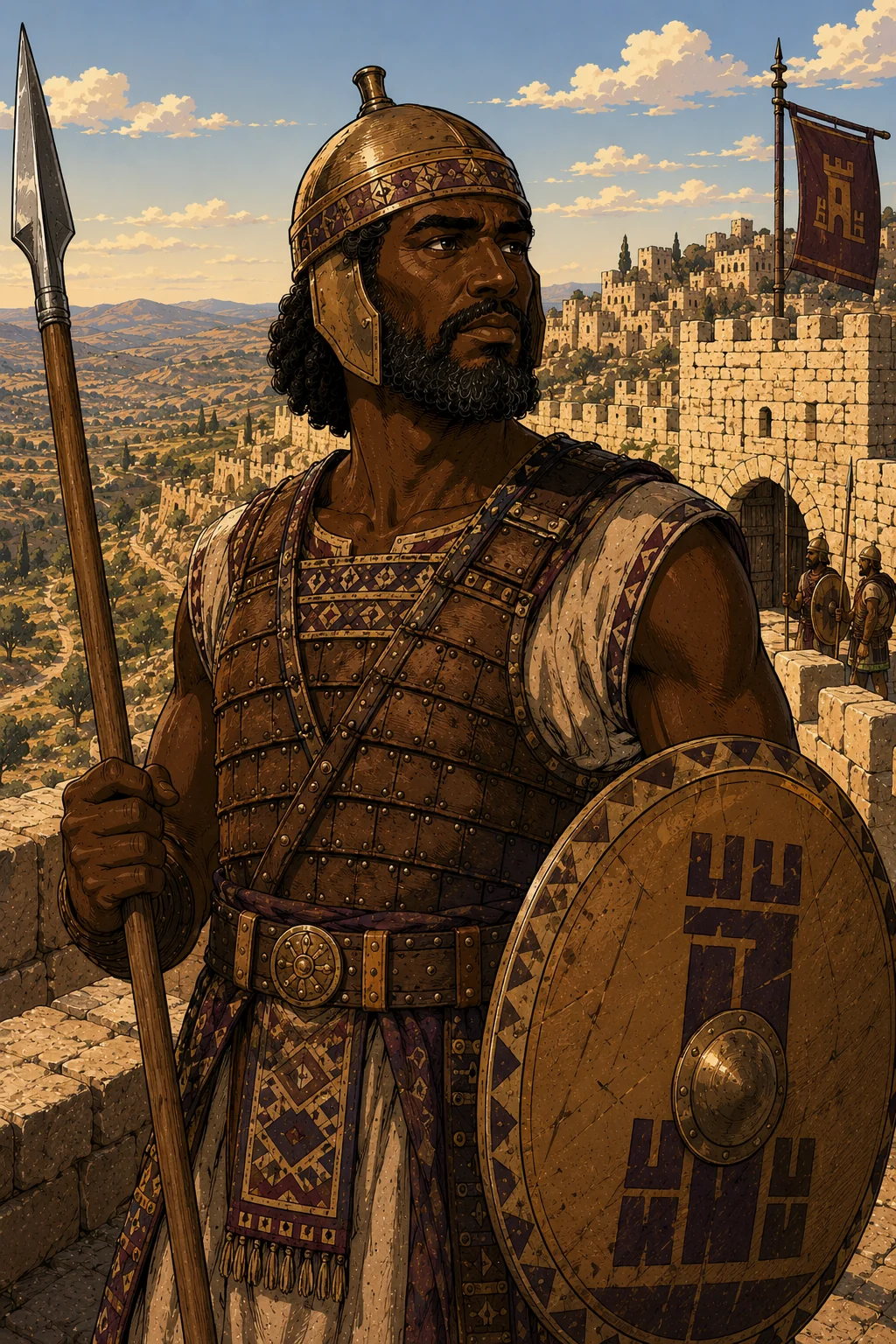
The Jebusite (הַיְבוּסִי) is the third son of Canaan, and his descendants held what would become the most significant city in the entire biblical narrative: Jerusalem. Before David, the city was called Jebus — a stronghold in the hill country of Canaan that Israel had failed to take throughout the period of the conquest and the judges. The Jebusites' confidence in their fortress was such that they taunted David's approaching army, saying the blind and the lame could defend it (2 Samuel 5:6).
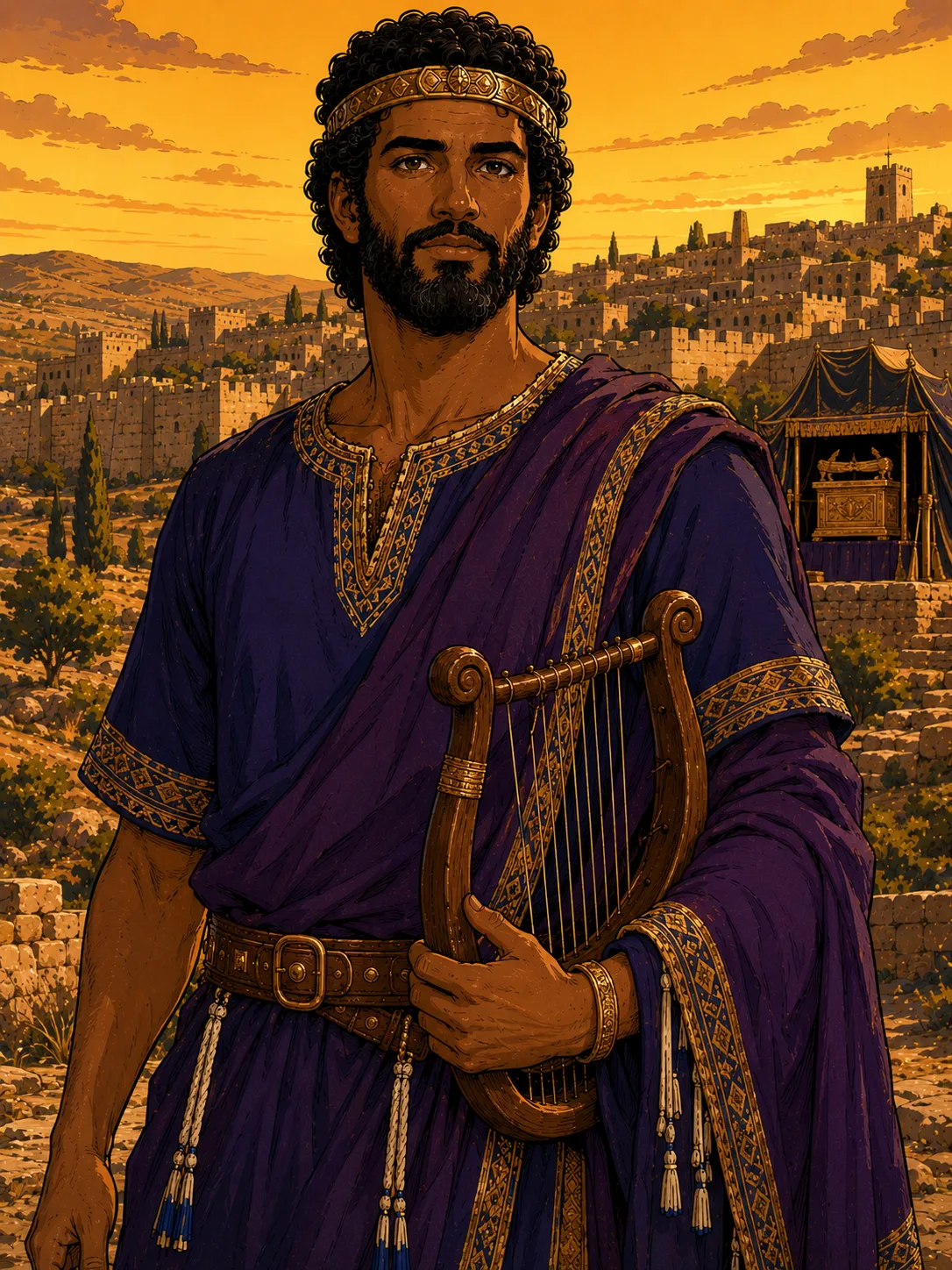
David took Jebus by a different approach — his commander Joab climbed the water shaft (tzinnor) to breach the city from within, and the stronghold fell. David renamed it the City of David, moved his capital there, and the site became the pivot of Israel's political and religious identity for the rest of the Old Testament. That the holiest city in Israel's faith was wrested from a son of Canaan — from Ham's line — is one of the Table of Nations' most consequential genealogical facts.
The most vivid individual Jebusite in the narrative is Araunah (also called Ornan in Chronicles), whose threshing floor David purchased after the plague that followed his census. David insists on paying full price — "I will not offer burnt offerings to the LORD my God that cost me nothing" (2 Samuel 24:24). That threshing floor became the site of Solomon's Temple. The very ground of the Temple Mount was purchased from a Jebusite, and his name is recorded in the text as an act of integrity on David's part.