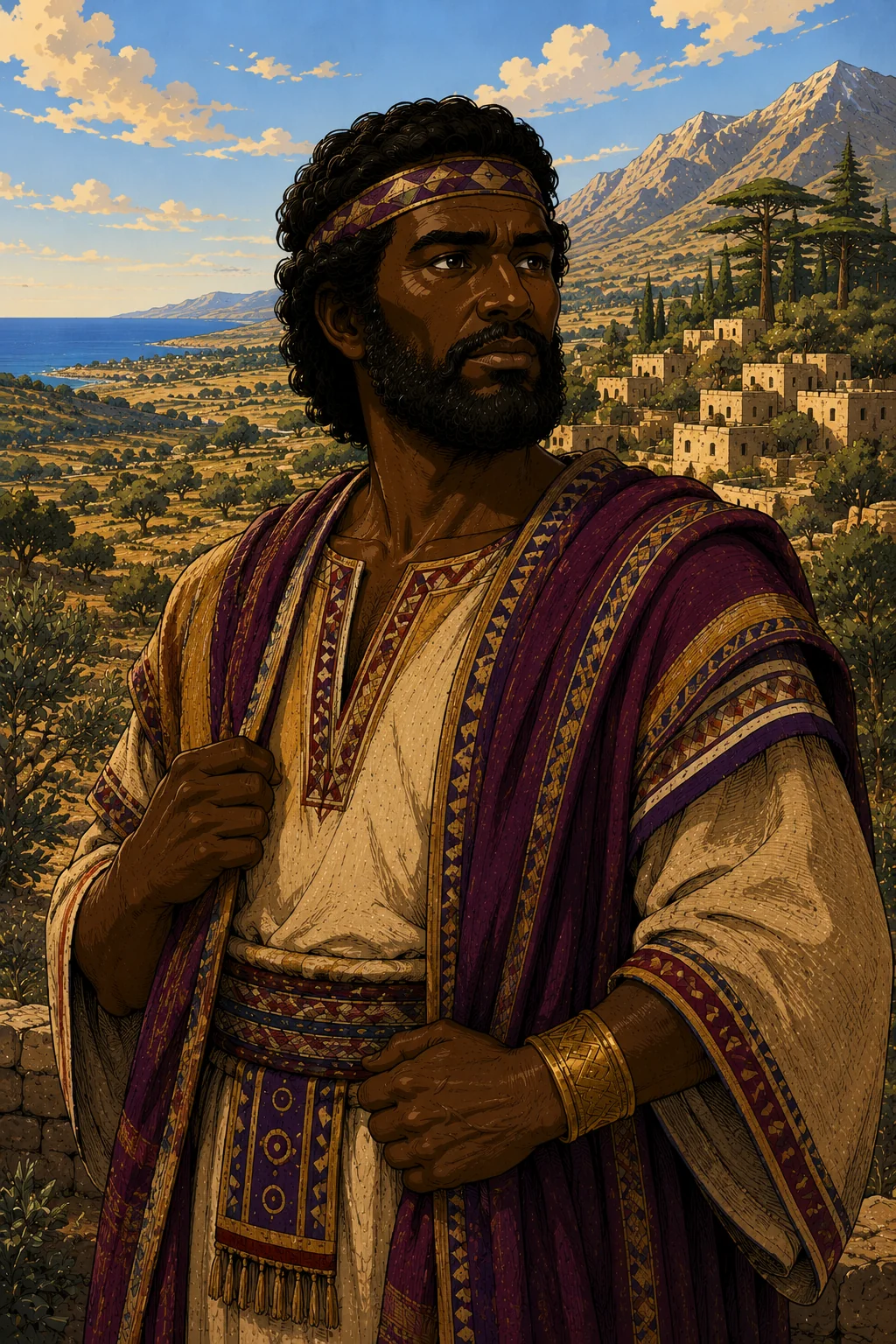
Heth (חֵת) is the second son of Canaan and the ancestor of the Hittites (Bnei-Chet, "sons of Heth"). The identification presents an interesting complexity: the archaeological Hittite Empire of Anatolia — one of the great powers of the second millennium BCE, whose capital was Hattusa in modern Turkey — is an Indo-European civilization, while the Bnei-Chet encountered by Abraham in Hebron appear to be a distinct Canaanite clan. Both may be included under the umbrella of "Hittites" in the biblical text, with the Canaanite Hittites representing an earlier, related people.
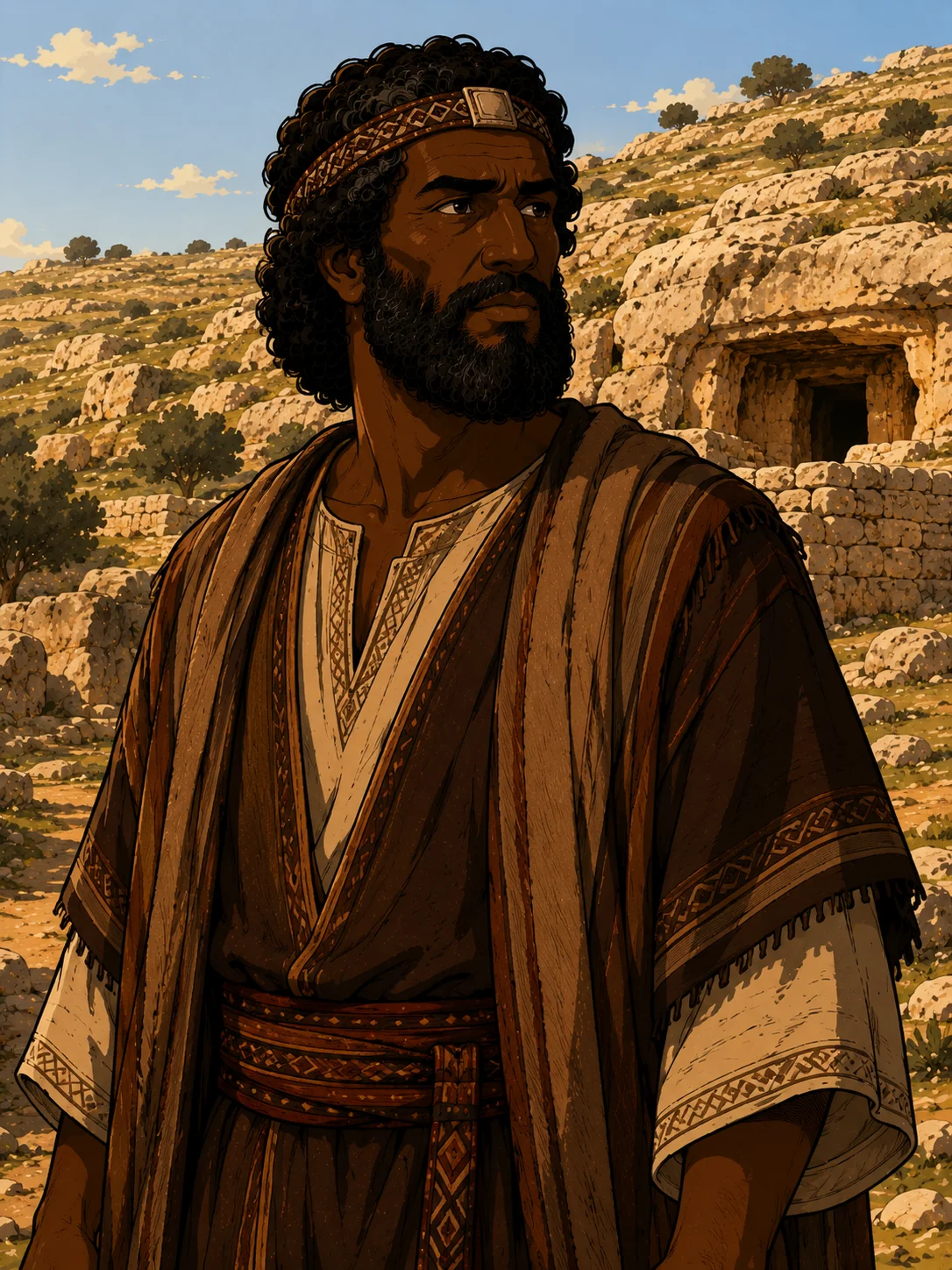
The sons of Heth appear as Abraham's neighbors in Hebron. When Sarah dies, Abraham negotiates with "the sons of Heth" to purchase the Cave of Machpelah as a burial site — a transaction described in extraordinary legal detail in Genesis 23, with Ephron the Hittite as the seller. This cave becomes the burial place of Abraham, Sarah, Isaac, Rebekah, Jacob, and Leah — the patriarchal tomb at the heart of Hebron. Abraham's purchase from the sons of Heth is the first piece of land in Canaan that the covenant family owns.
Esau's marriages to Hittite women — Judith daughter of Beeri and Basemath daughter of Elon — cause grief to Isaac and Rebekah, a narrative detail that signals the Hittites' position as Canaan's inhabitants and Israel's distinct identity as a covenant people. Uriah the Hittite, one of David's thirty mighty men and Bathsheva's first husband, is perhaps the most fully characterized Hittite in the narrative — his loyalty and honor contrasted sharply with David's betrayal of him.