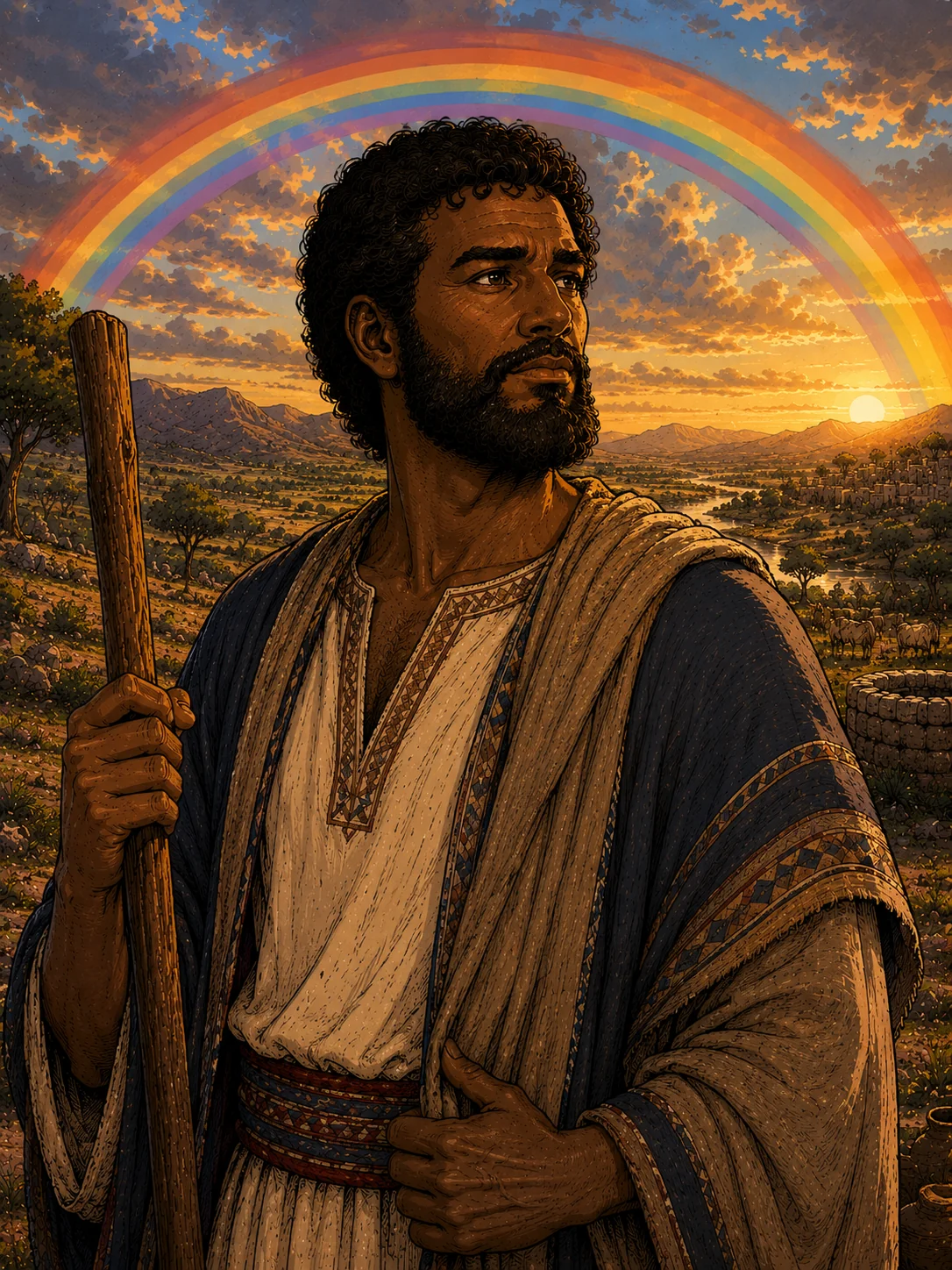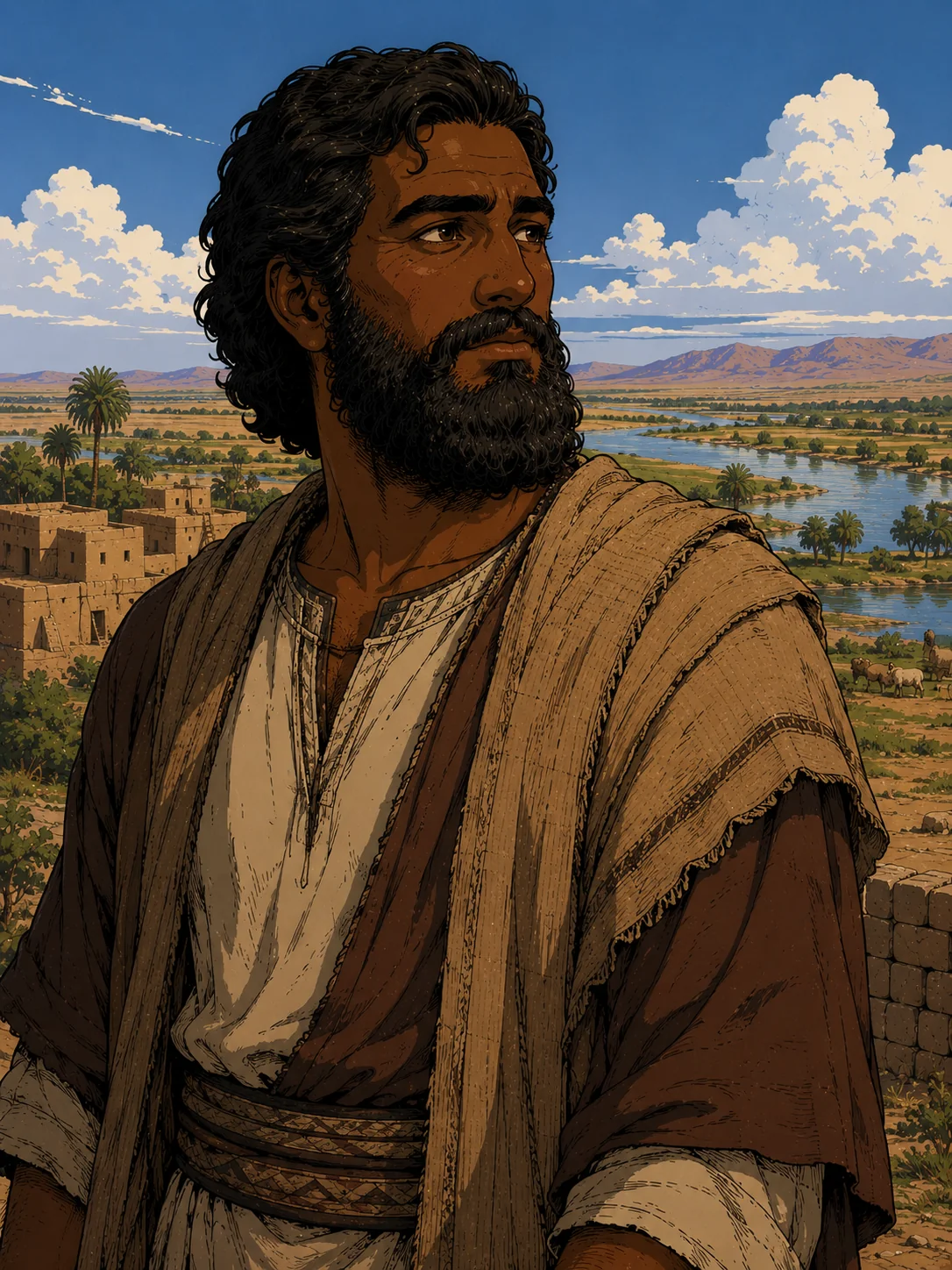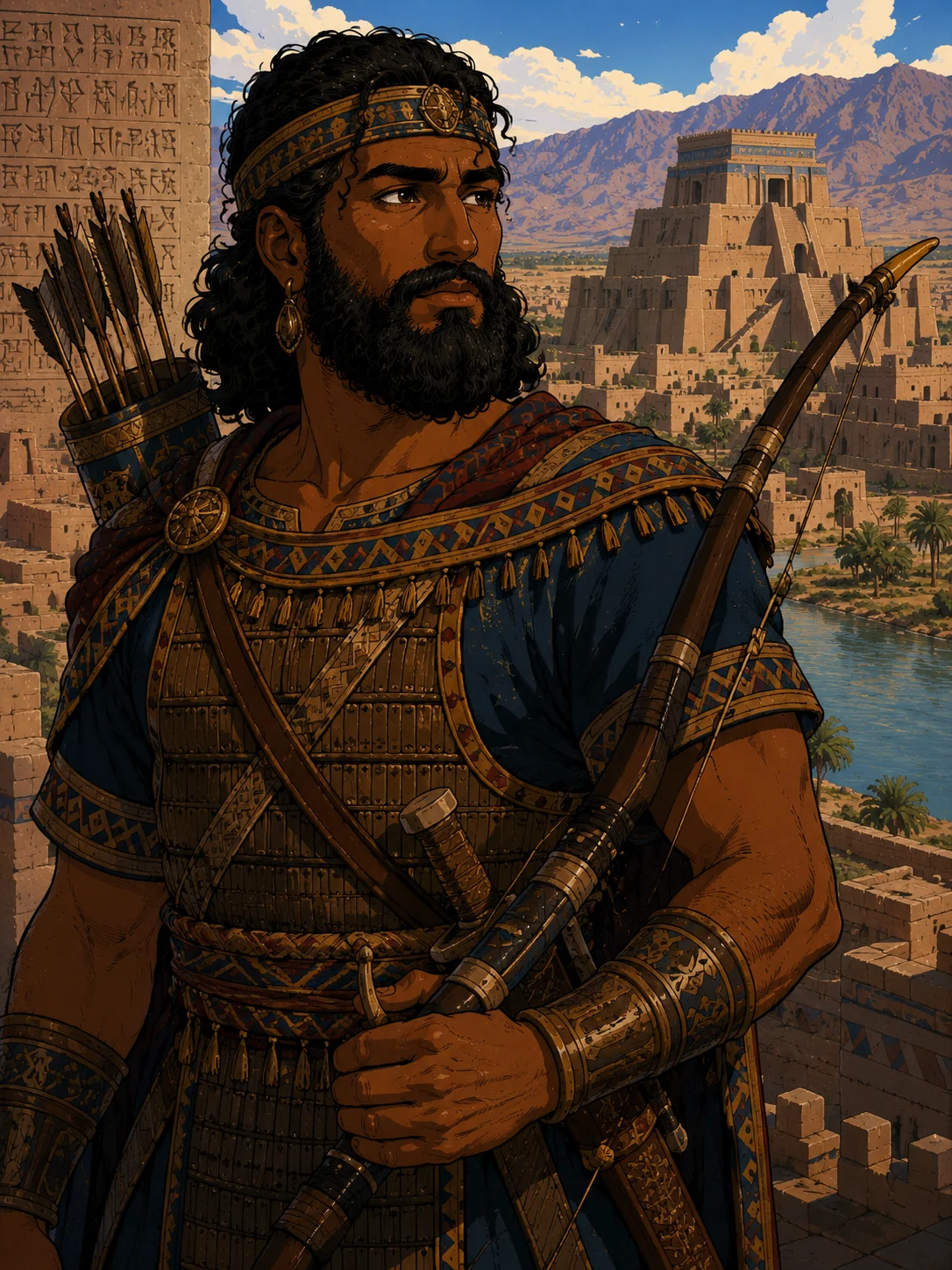
Elam (עֵילָם) is the firstborn of Shem, and his descendants established one of the earliest literate civilizations in human history. The Elamites developed proto-Elamite script independently, predating even cuneiform, and built a powerful civilization centered on the city of Susa (Shushan) in the foothills of the Zagros mountains in modern southwestern Iran. Susa would become one of the great administrative capitals of the ancient world — first of Elam, then of the Achaemenid Persian Empire.
Elam's earliest biblical appearance is dramatic: Chedorlaomer king of Elam leads a coalition of four kings against five Canaanite kings in Genesis 14 — the first war narrative in the Hebrew Bible. When this coalition captures Lot during the battle and plunders Sodom, Abraham pursues with 318 trained men, defeats the coalition at Dan, and recovers Lot and all the goods. This encounter with Elamite power is the context for Abraham's meeting with Melchizedek, king of Salem, who blesses him after the victory.
Isaiah 21:2 calls Elam to "go up" against Babylon as an instrument of God's judgment. Jeremiah 49:34–39 delivers a specific oracle against Elam — promising to scatter them to the four winds — but closes with a remarkable restoration: "I will restore the fortunes of Elam in the latter days." Most significantly for biblical narrative, Susa (Shushan) is the setting for the entire book of Esther, the confrontation with Haman, and the salvation of the Jewish people under Achashverosh — the Persian king whose capital was in the city that bore Elam's heritage.