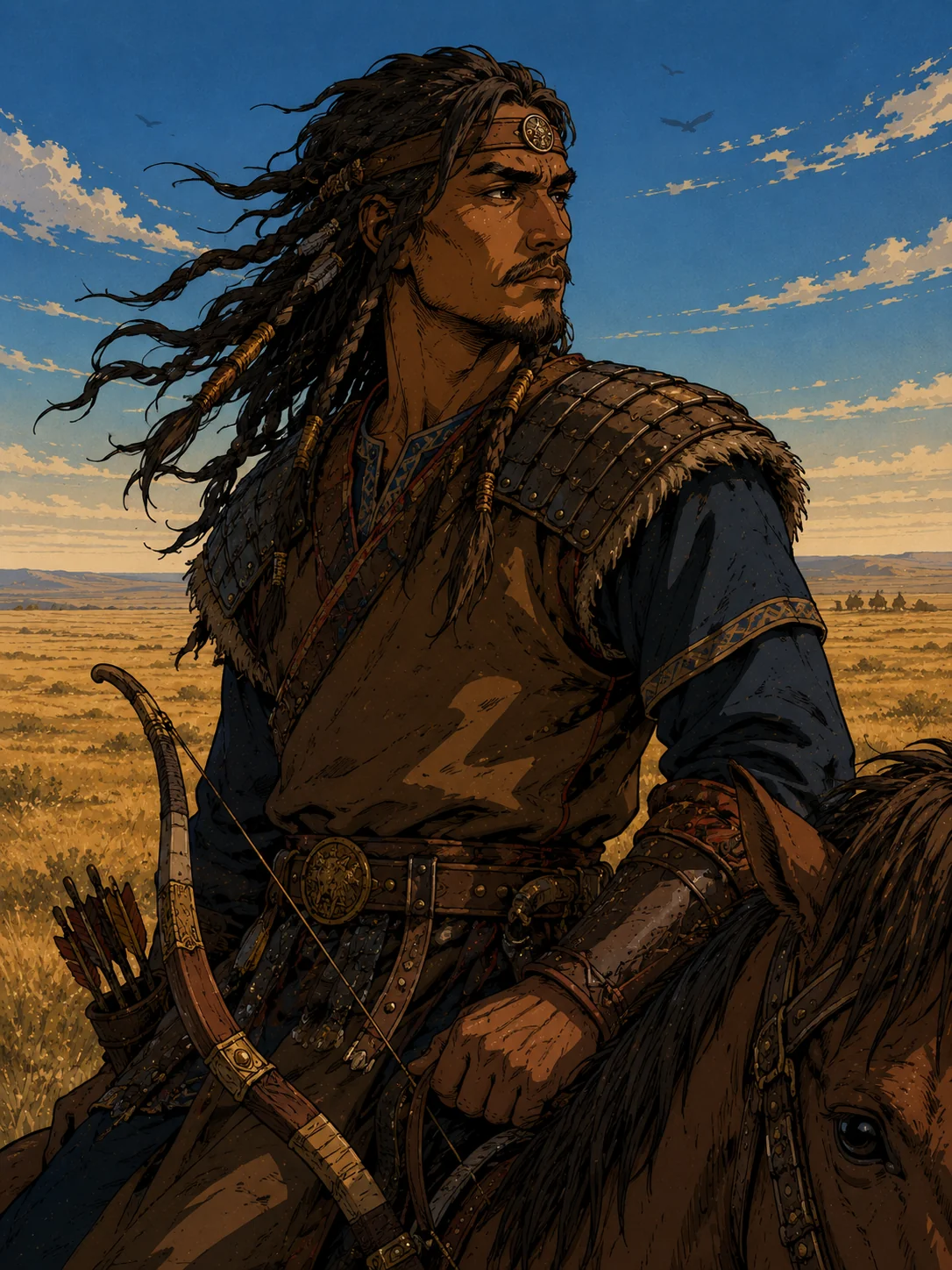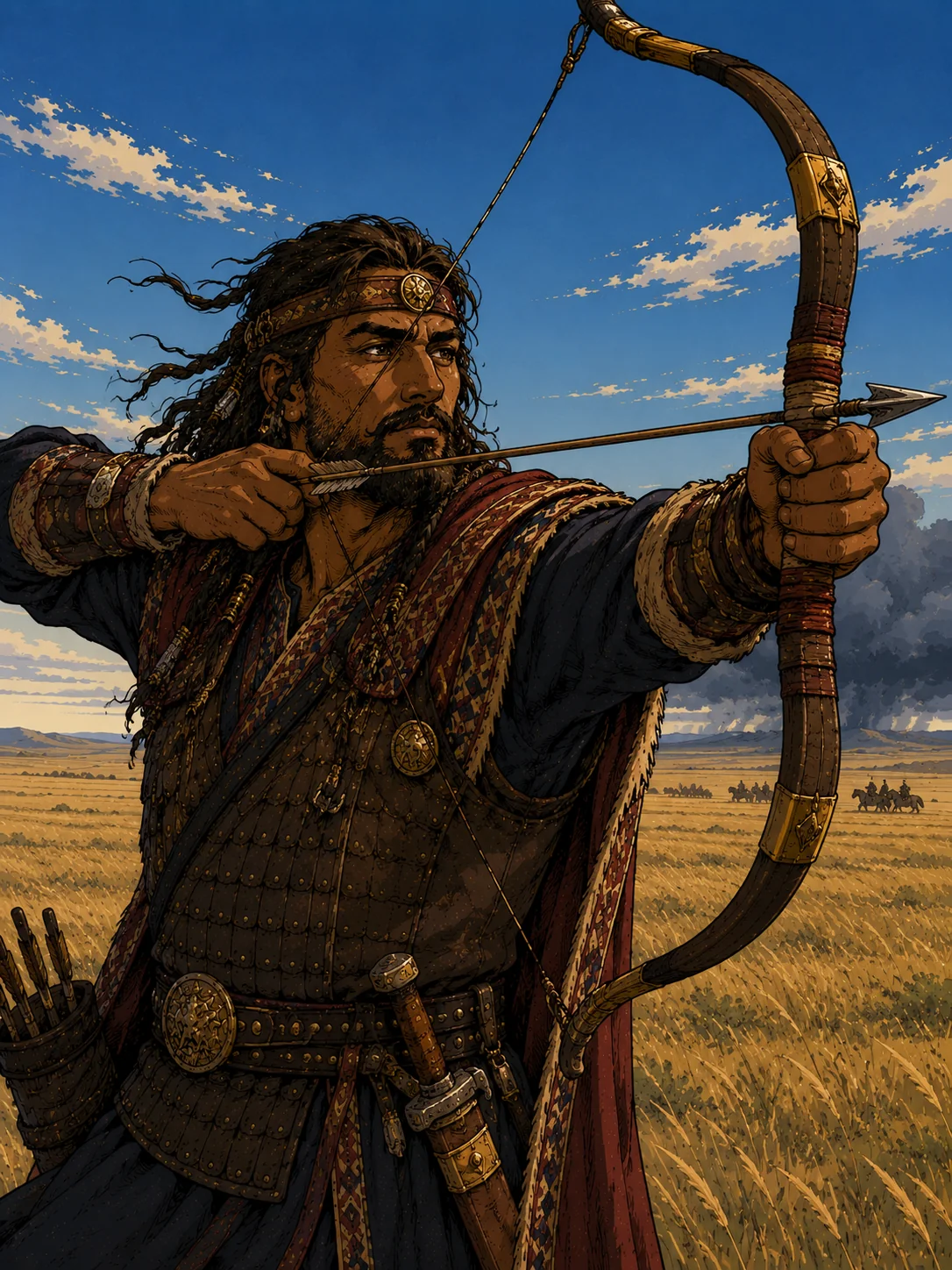
Magog (מָגוֹג) is the second son of Yefet, listed without further genealogical expansion in Genesis 10 — suggesting he represents a people group rather than a dynasty of named descendants. Ancient sources, including Josephus (Antiquities 1.6.1), identify Magog's descendants with the Scythians — the fierce nomadic horsemen who dominated the Eurasian steppe from the Black Sea to Central Asia in the 1st millennium BCE.
Magog's most significant appearance is not in Genesis but in Ezekiel 38–39, where "Gog of the land of Magog" leads a great coalition of northern nations in an assault against Israel "in the latter days." This prophecy names Magog as the geographic territory ruled by the mysterious figure Gog, and the battle of Gog and Magog has been interpreted by Jewish and Christian commentators alike as an end-time confrontation of enormous scale.
The Book of Revelation (20:7–8) places "Gog and Magog" in an eschatological context after the thousand years, where they are gathered for the final battle and consumed by fire from heaven. Whether the Gog of Ezekiel and the Gog of Revelation are the same event or separate, Magog has become one of the most discussed names in prophetic literature — a watchword for the great northern threat to come.