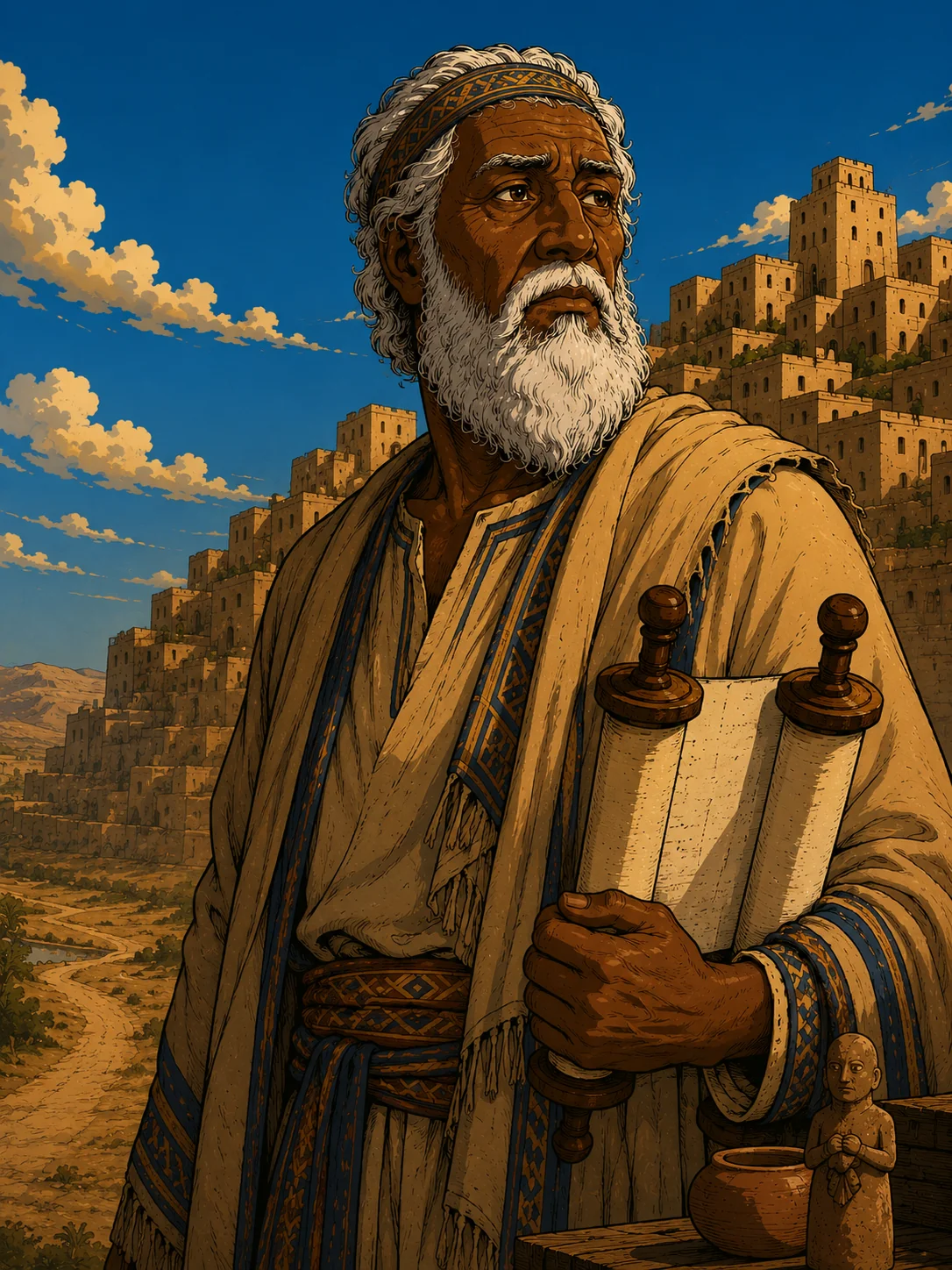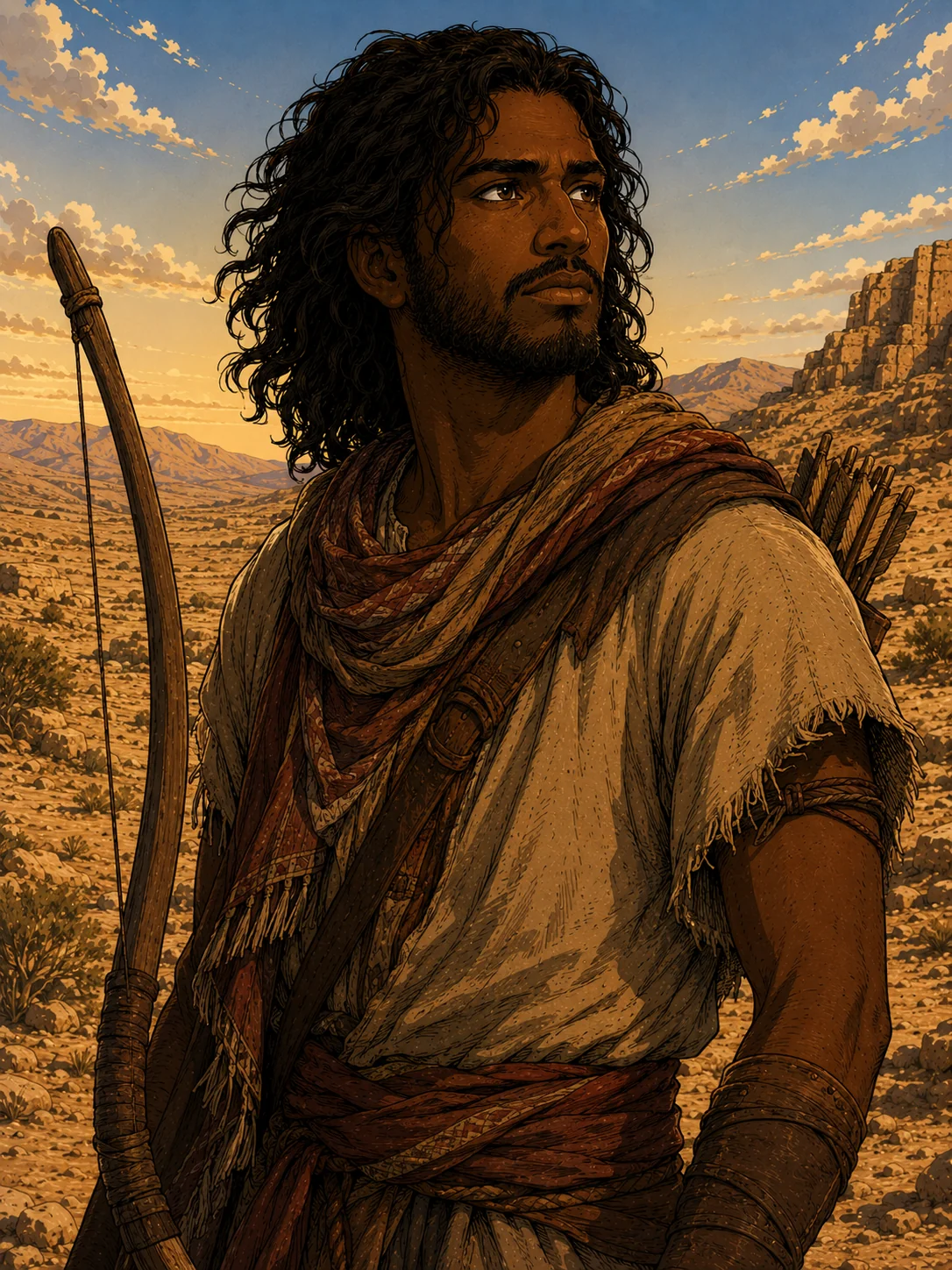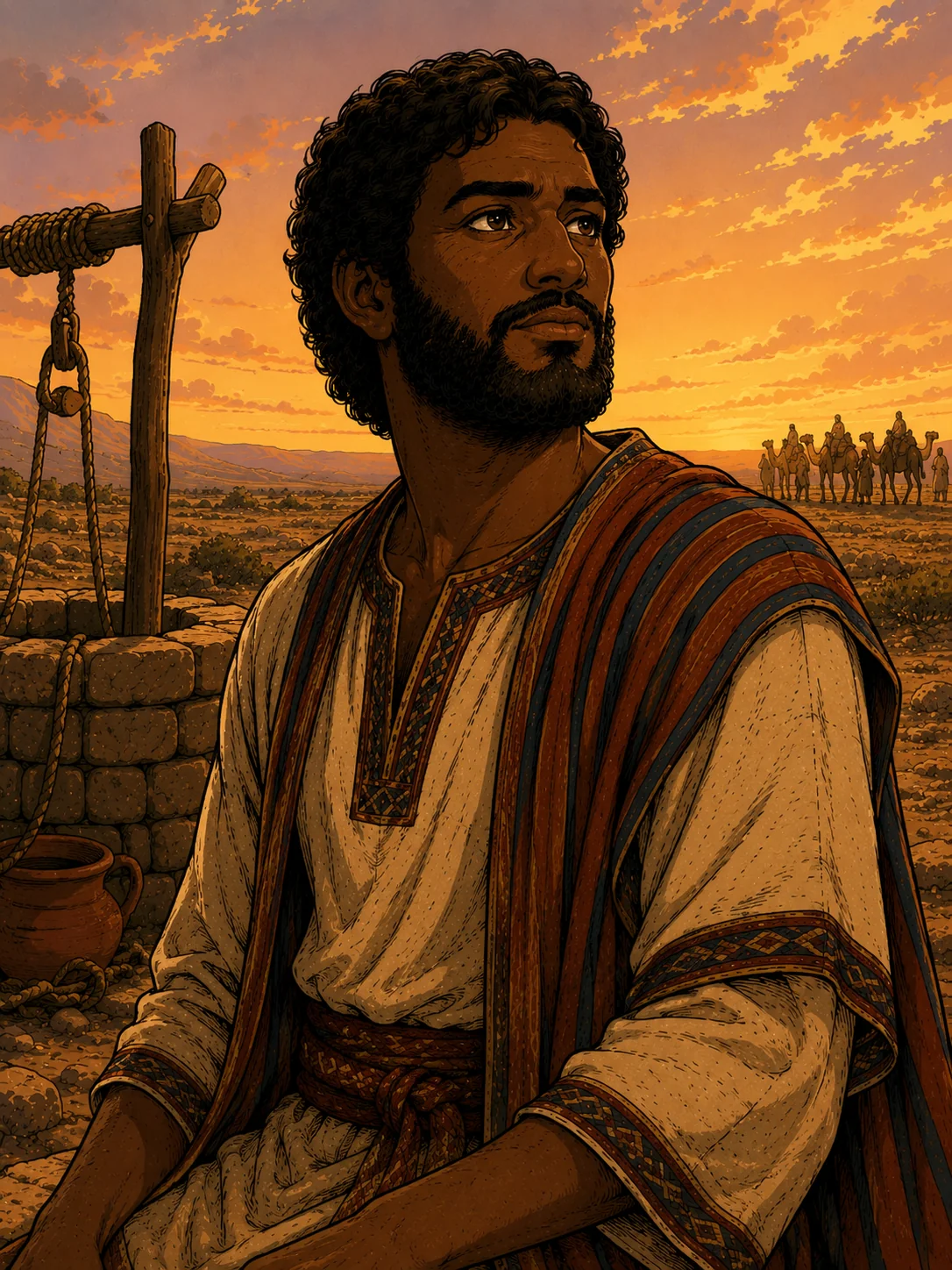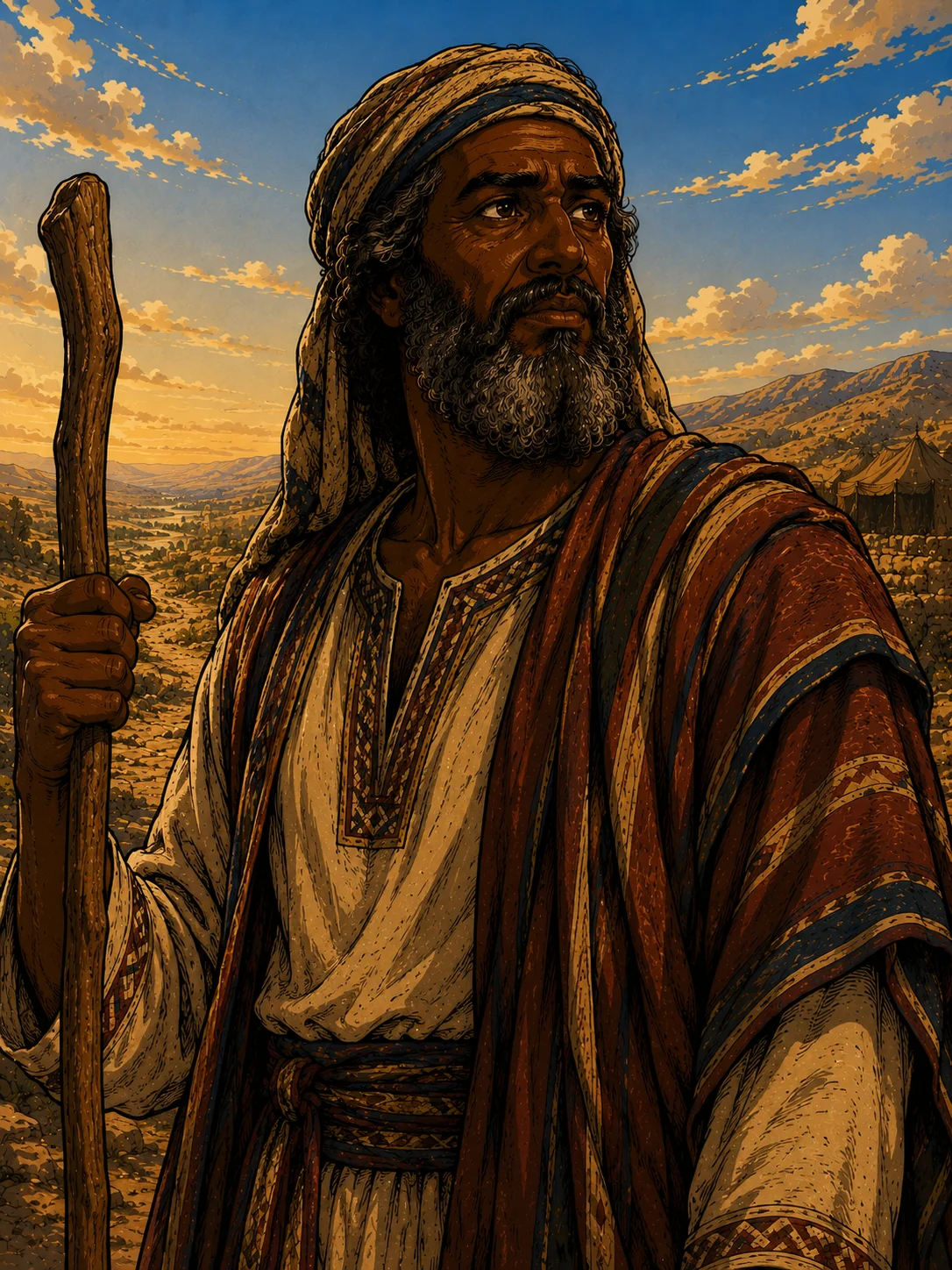
Avraham (אַבְרָהָם) is born Avram in Ur of the Chaldees, the son of Terah. The call that defines his life comes without explanation or preparation: "Go — from your land, from your birthplace, from your father's house — to the land that I will show you" (Genesis 12:1). God promises land, nationhood, and a universal blessing through his seed. Avram goes, and with that going, the history of Israel begins.
The covenant between God and Avraham is the pivot of the entire Hebrew Bible. It is cut in Genesis 15 in the ceremony of the pieces — God's fire passing through the divided animals while Avraham sleeps — sealing an unconditional promise of land and descendants. In Genesis 17 the covenant is ratified in circumcision, Avram's name is changed to Avraham ("father of a multitude"), and Sarai becomes Sarah. The sign of circumcision enters every male of the household on the eighth day and becomes the mark of covenant membership for all of Israel's history.
The defining test comes in Genesis 22: the Akedah — the binding of Yitzchak. God commands Avraham to offer his son on Mount Moriah. Avraham goes without hesitation, binds the boy, raises the knife — and the angel of God stops him: "Now I know that you fear God, since you have not withheld your son, your only son, from me." A ram caught in the thicket is offered instead. God swears by himself: "I will multiply your seed as the stars of heaven... and in your seed all the nations of the earth will be blessed." The Akedah becomes the theological center of Israel's faith — the proof of Avraham's trust that shapes all subsequent covenant theology.
Avraham lives 175 years. He buries Sarah in the cave of Machpelah in Hebron — the first plot of land he owns in Canaan, purchased from Ephron the Hittite. He sends his servant to Paddan-aram to find a wife for Yitzchak, marries Keturah after Sarah's death and has six more sons, and at his death is buried by both Yitzchak and Yishmael together in Machpelah. The two half-brothers standing together at their father's grave is one of the quietly significant details in the text.