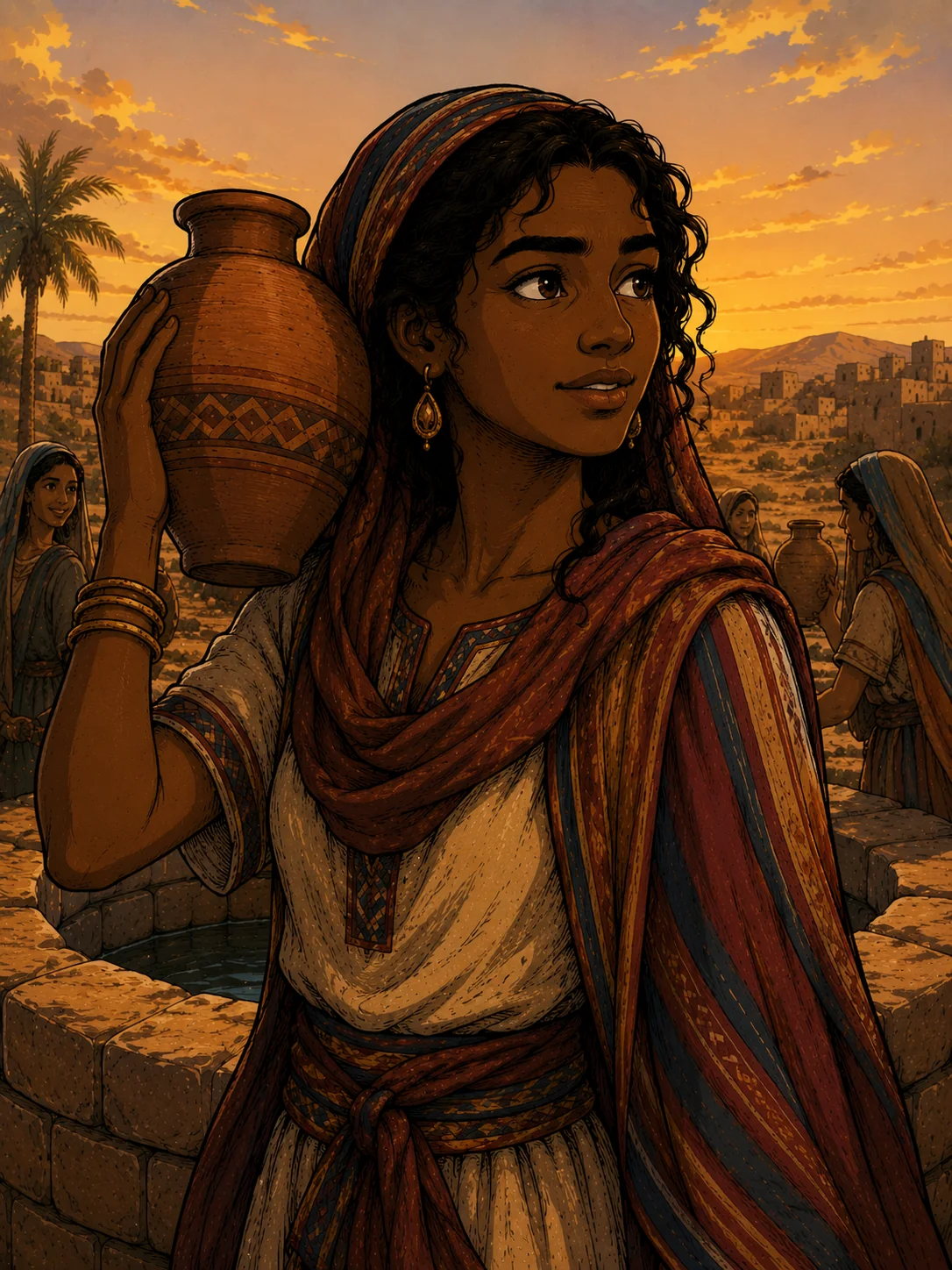
Yitzchak (יִצְחָק) enters the narrative already named. God tells Avraham: "Sarah your wife will bear you a son, and you shall call his name Yitzchak" (Genesis 17:19) — before the conception. When the three angels visit at Mamre and repeat the promise, Sarah overhears and laughs to herself. God asks: "Is anything too hard for the LORD?" — and exactly one year later, at the appointed time, Yitzchak is born. Sarah says: "God has made laughter for me; all who hear will laugh with me." His name is the whole story compressed into one word.
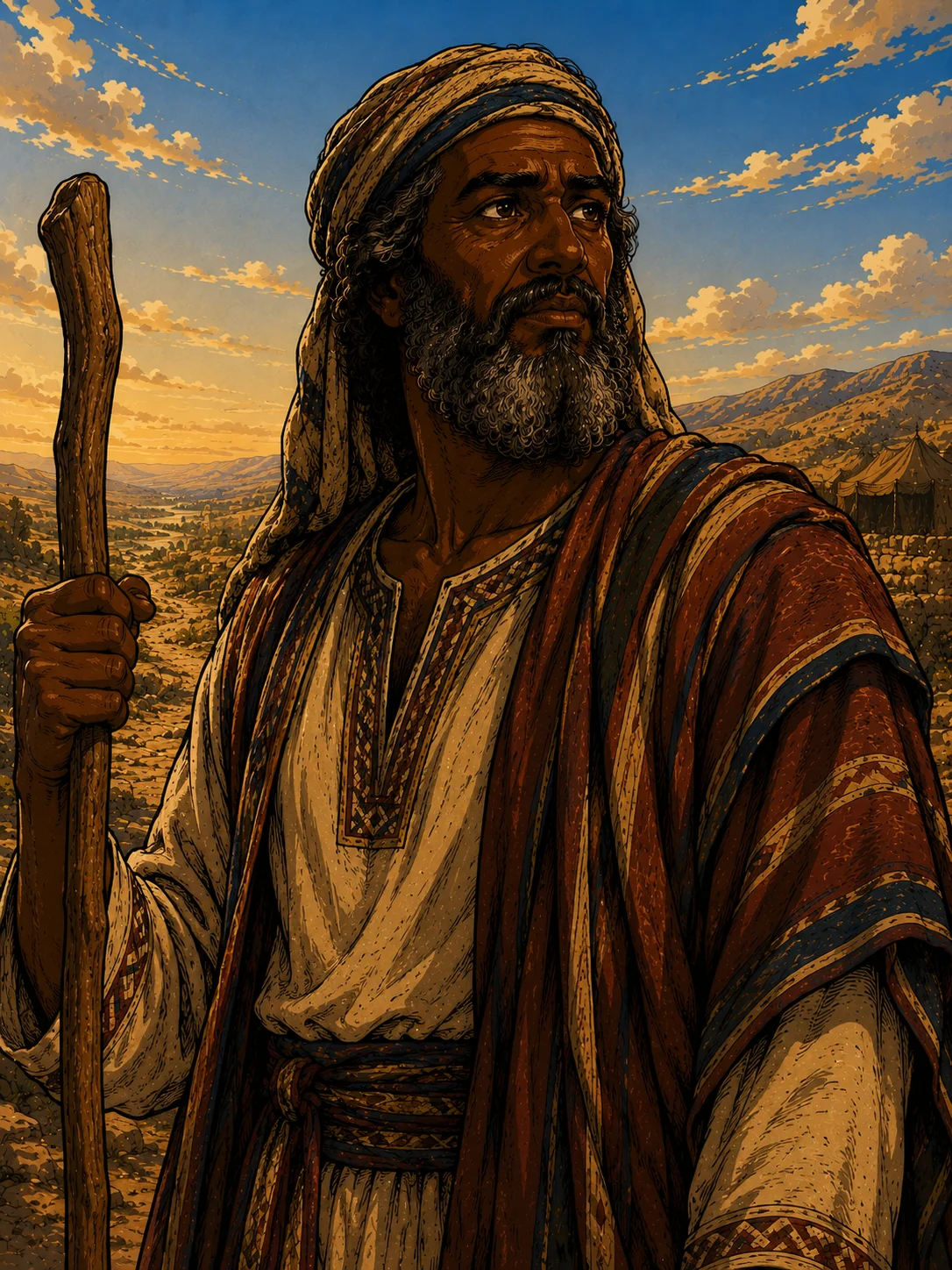
The Akedah — the binding of Yitzchak — is the shaping event of his life, though he speaks only one sentence in it: "Here is the fire and the wood, but where is the lamb for the burnt offering?" (Genesis 22:7). Avraham's answer — "God will provide himself the lamb, my son" — is both truth and evasion. The boy walks up the mountain with his father carrying wood on his back, is bound on the altar, and the knife is raised. The angel's cry stops the knife. A ram appears. God swears the great oath of blessing. The chapter ends with Avraham and his servants going back to Beer-sheba — but Yitzchak is not mentioned. Midrash and commentators have always noticed this silence.
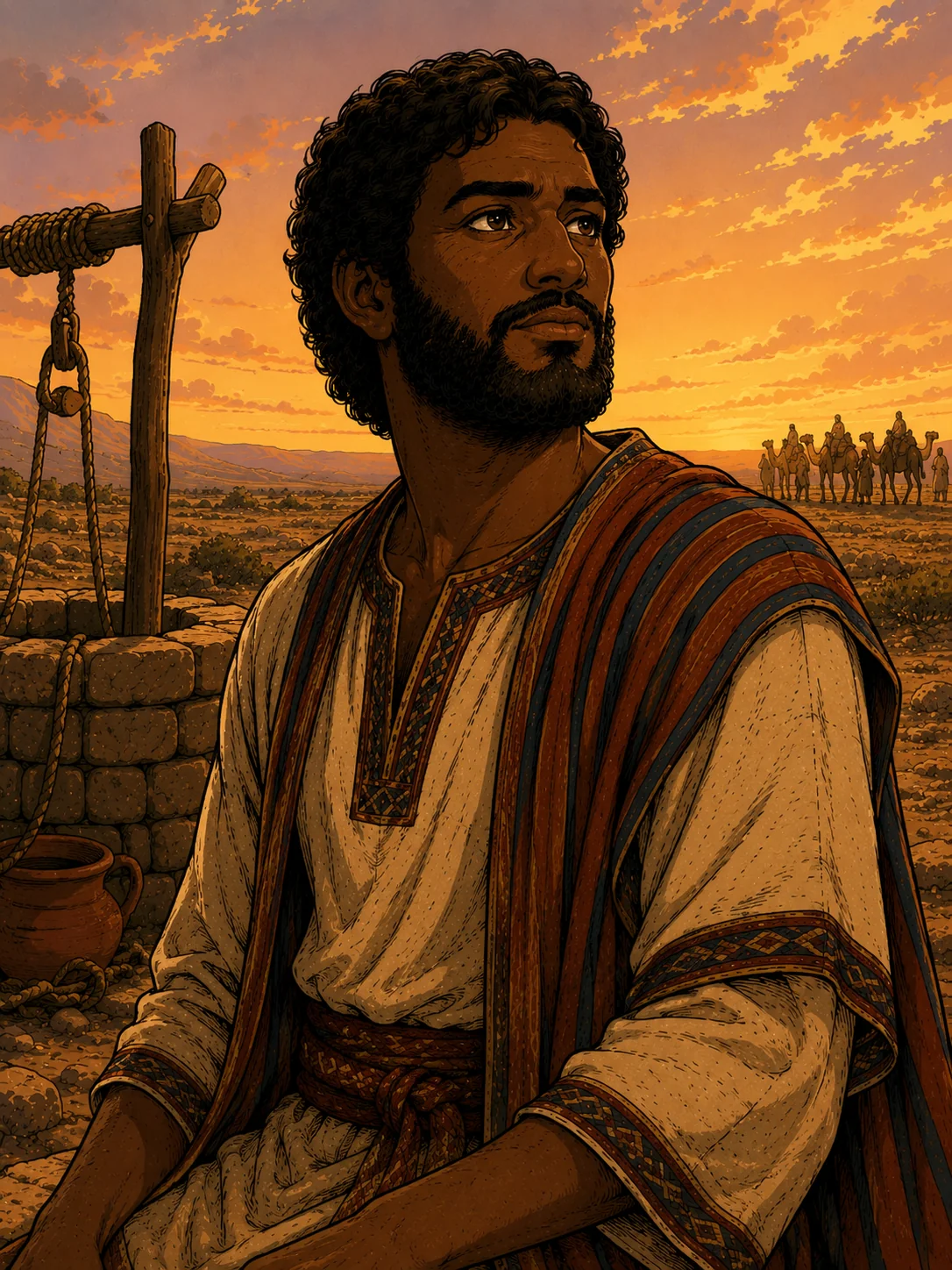
Yitzchak is the only patriarch who never leaves the land of Canaan. When famine comes, God appears to him and explicitly forbids him from going to Egypt — "dwell in this land... for to you and to your seed I will give all these lands" (Genesis 26:3). He digs the wells his father dug, which the Philistines had stopped, and the servants of Abimelech quarrel over them at Esek, Sitnah, and Rechovot. At Beer-sheba God appears to him, he builds an altar and calls on God's name, and Abimelech comes to make a treaty — the same pattern as Avraham. Yitzchak lives 180 years and is buried by both Yaakov and Esav together at Machpelah.