Put (פּוּט) is the third son of Cham, identified with Libya — the territory west of Egypt that the ancient Egyptians called Putu and the Persians recorded as Putiya. Put is one of the more concise entries in the Table of Nations, with no named sons listed in Genesis 10, suggesting he represents a unified people group rather than a dynasty of distinct nations. The Septuagint (Greek Old Testament) renders his name directly as Phut, and ancient records associate the name with the Libyan tribes of North Africa.
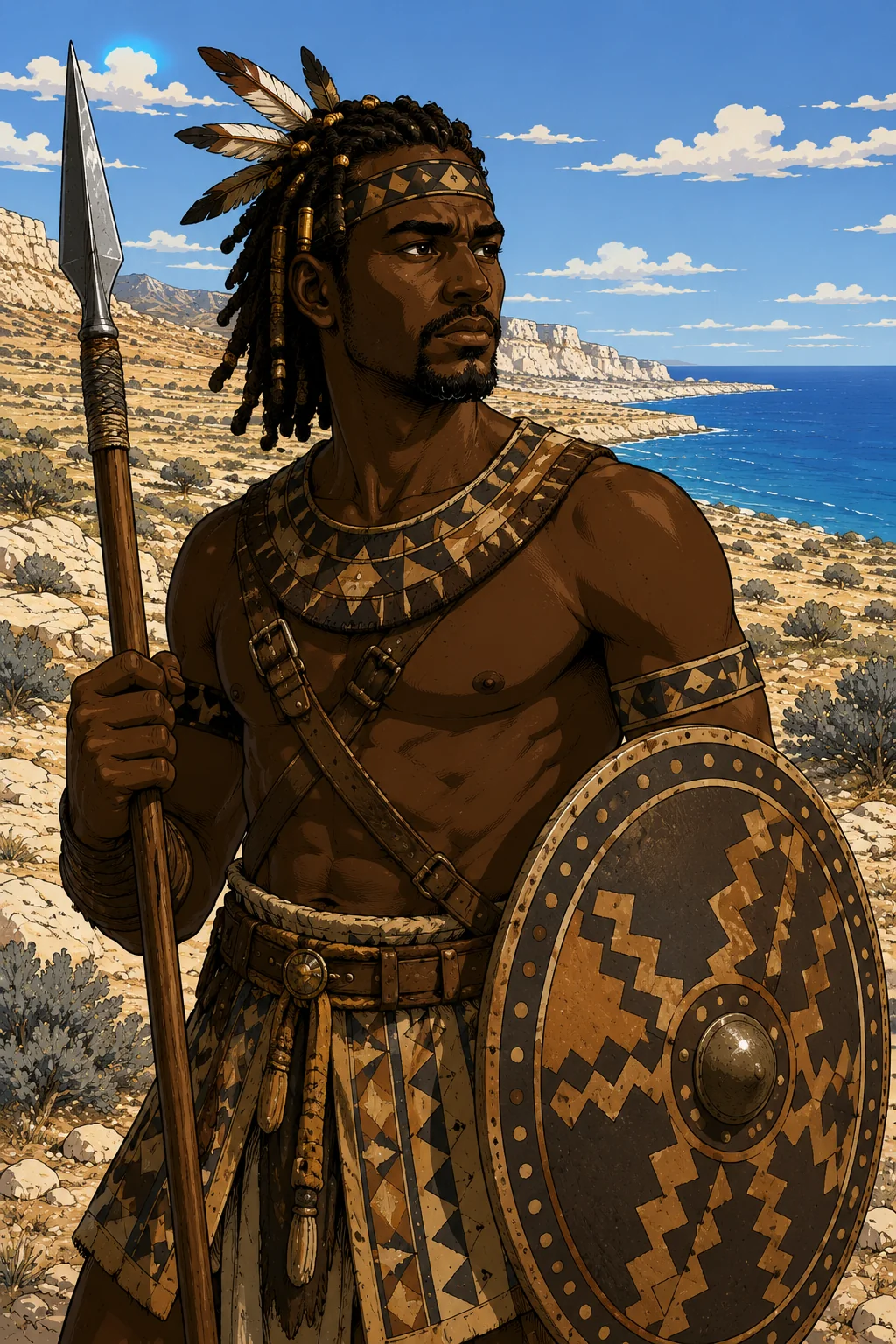
Put appears repeatedly in the prophetic literature as a warrior people — specifically as soldiers in the armies of Egypt and later in Gog's coalition. In Ezekiel 27:10, "Put and Lud" serve as soldiers in Tyre's army, hanging shield and helmet as decoration on the city walls. In Ezekiel 30:5, "Cush and Put and Lud, and all Arabia, and Libya, and the people of the land that is in league" fall alongside Egypt when God's judgment comes against Pharaoh.
Nahum 3:9 mentions "Put and the Libyans" as among the strength of Thebes (No-Amon) — the great Egyptian city whose destruction Nahum uses as a warning to Nineveh. In Ezekiel 38:5, Put is listed among the nations joining Gog's northern coalition — "Persia, Cush, and Put with them, all of them with shield and helmet." Put thus appears across five different prophetic books as a consistent military force associated with the great empires of the ancient world.