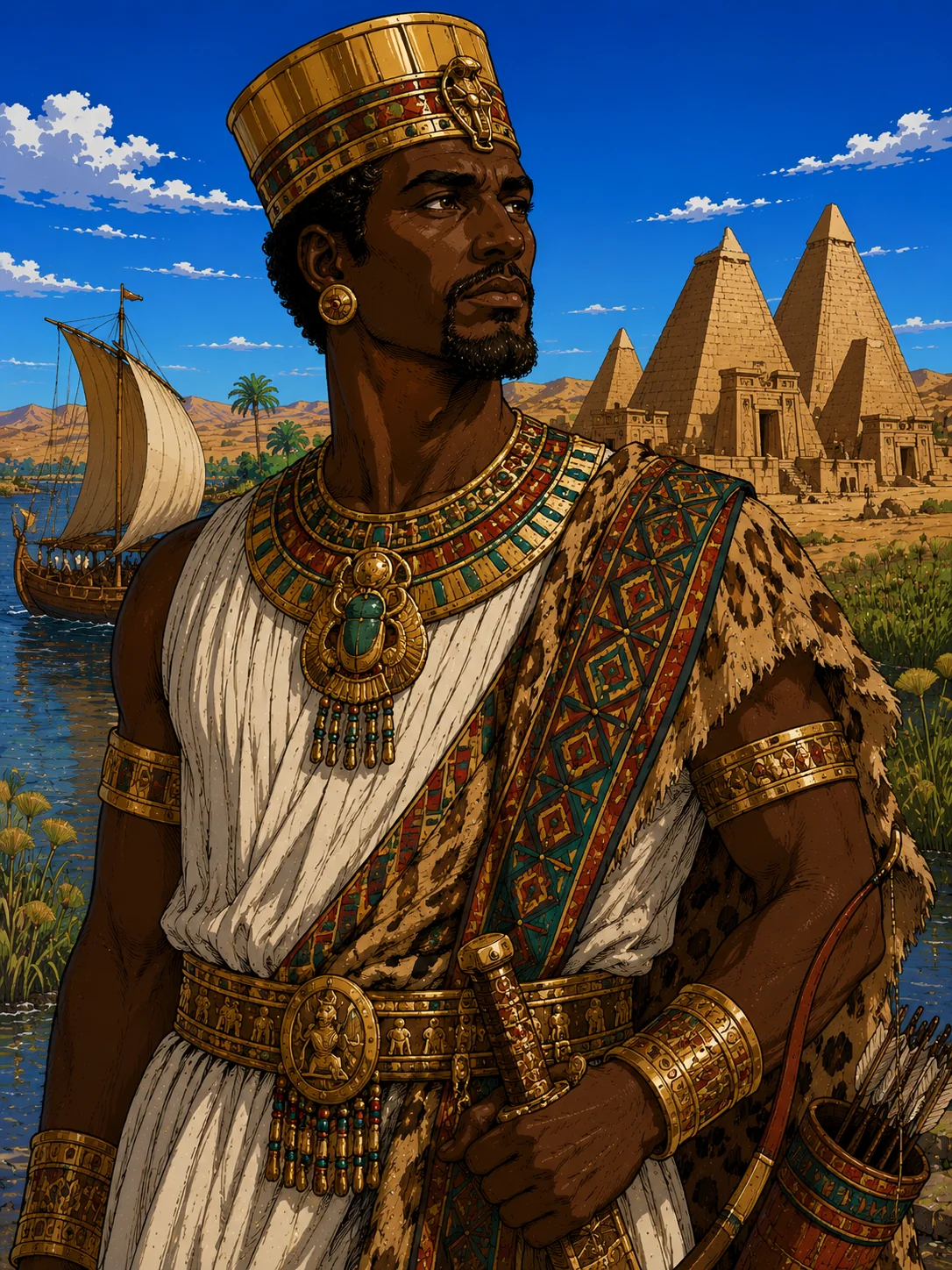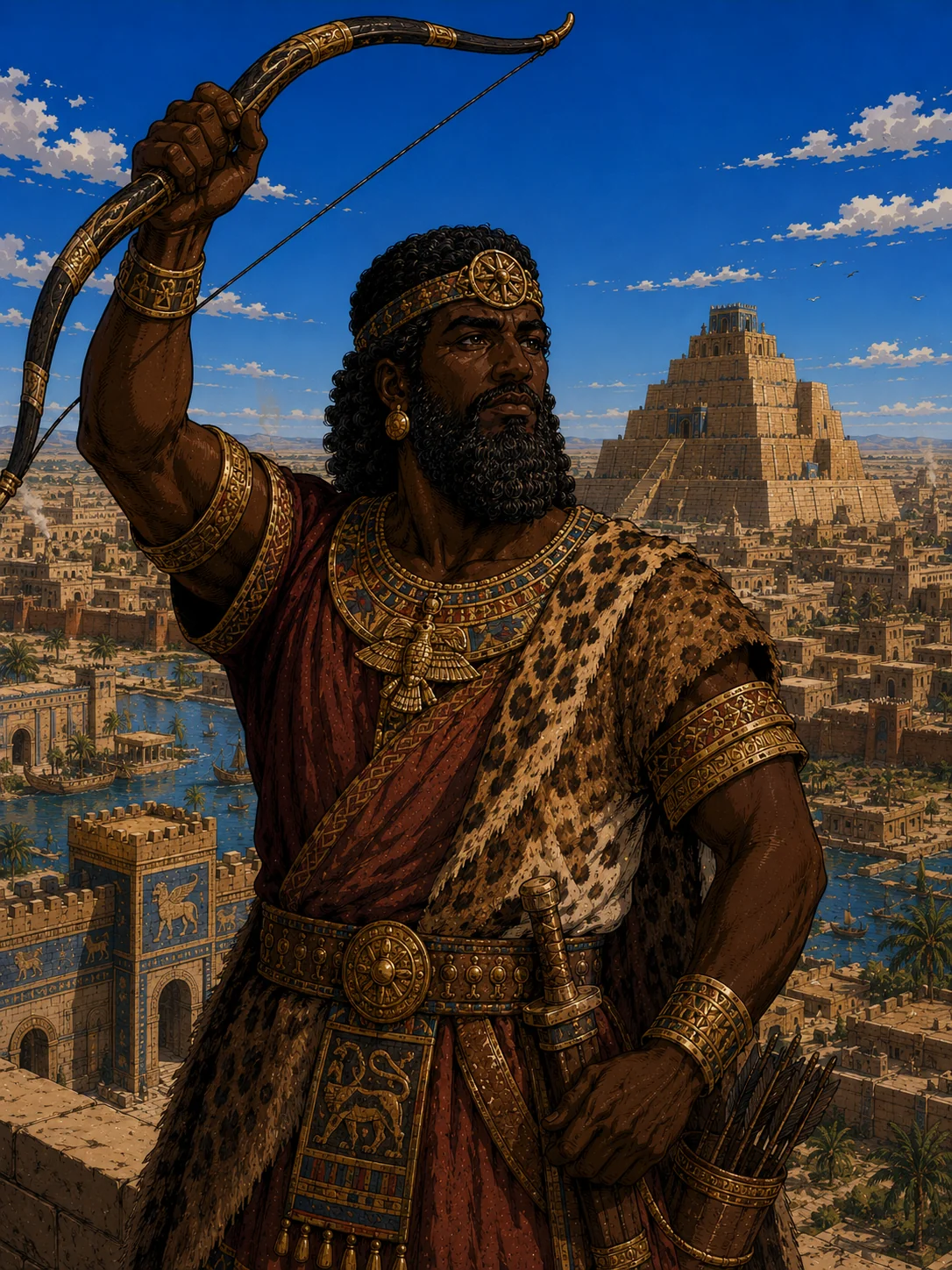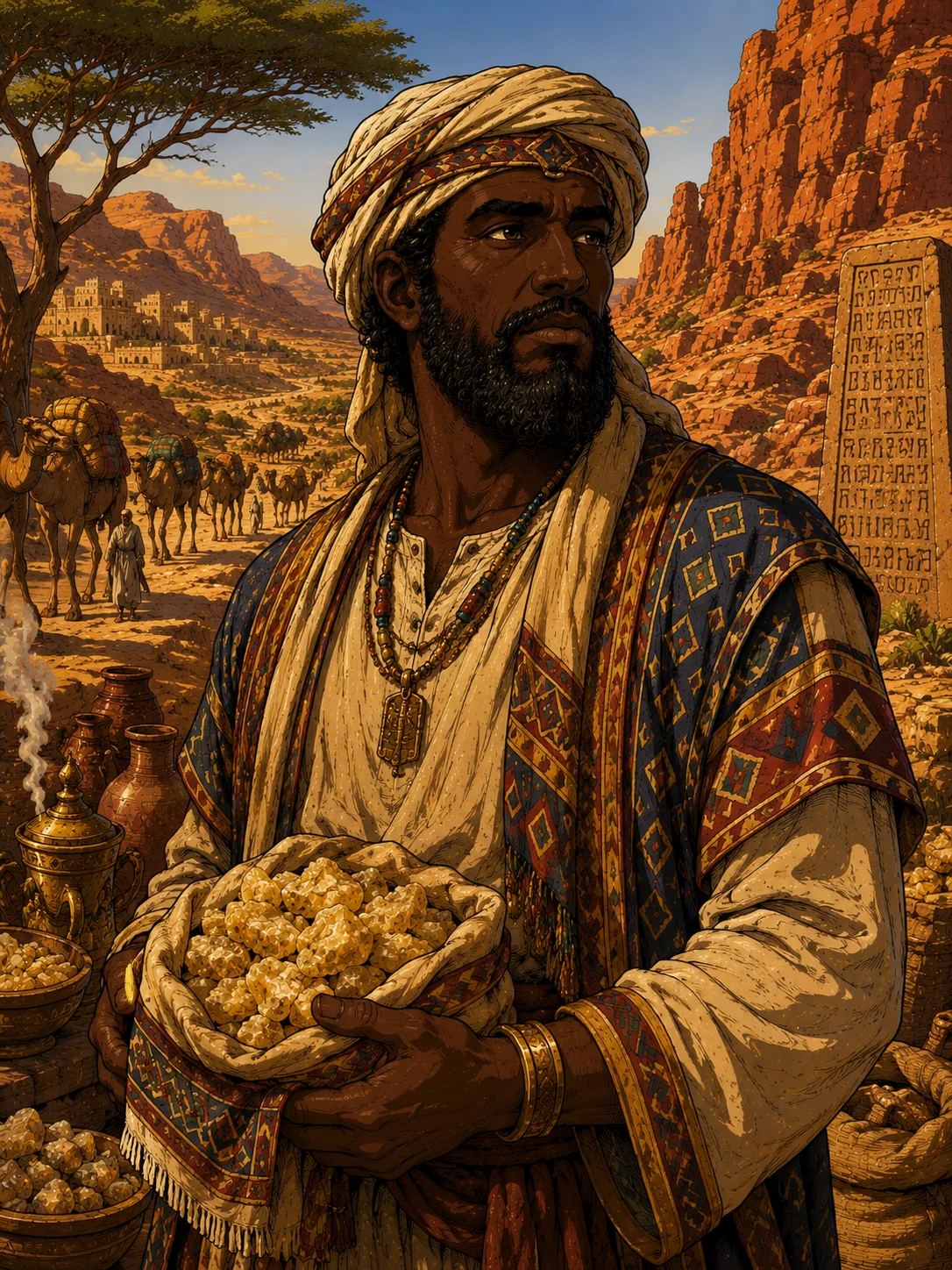
Raamah (רַעְמָה) is the fifth son of Cush and the father of two sons — Sheba and Dedan — who themselves became significant trading peoples of southwestern Arabia. While Raamah is not mentioned often in the narrative portions of the Hebrew Bible, his sons' names appear in the commercial geography of the ancient Near East as markers of the southern Arabian trade routes that carried frankincense, myrrh, gold, and precious stones northward to the Mediterranean world.
Ezekiel 27:22 provides the most explicit reference: "The traders of Sheba and Raamah traded with you [Tyre]; they exchanged for your wares the best of all kinds of spices and all precious stones and gold." This places Raamah's line at the high end of the luxury goods trade — the spice and gold merchants whose caravans connected southern Arabia with the Phoenician coast. The same Sheba associated with Raamah (through Cush) is distinct from the Sheba associated with Joktan in the Shem line, though both are linked to Arabian territory.
Dedan, the other son of Raamah, also appears in Ezekiel's commercial lists (27:15, 20) as a trading nation dealing in ivory tusks, ebony, saddle cloths, and riding gear — the equipment of the horse-trading and caravan culture. Isaiah 21:13 places "the caravans of Dedanites" in the thickets of Arabia. Together, Sheba and Dedan through Raamah represent the commercial civilization of ancient Yemen and the Hejaz — the world of the Arabian incense road.