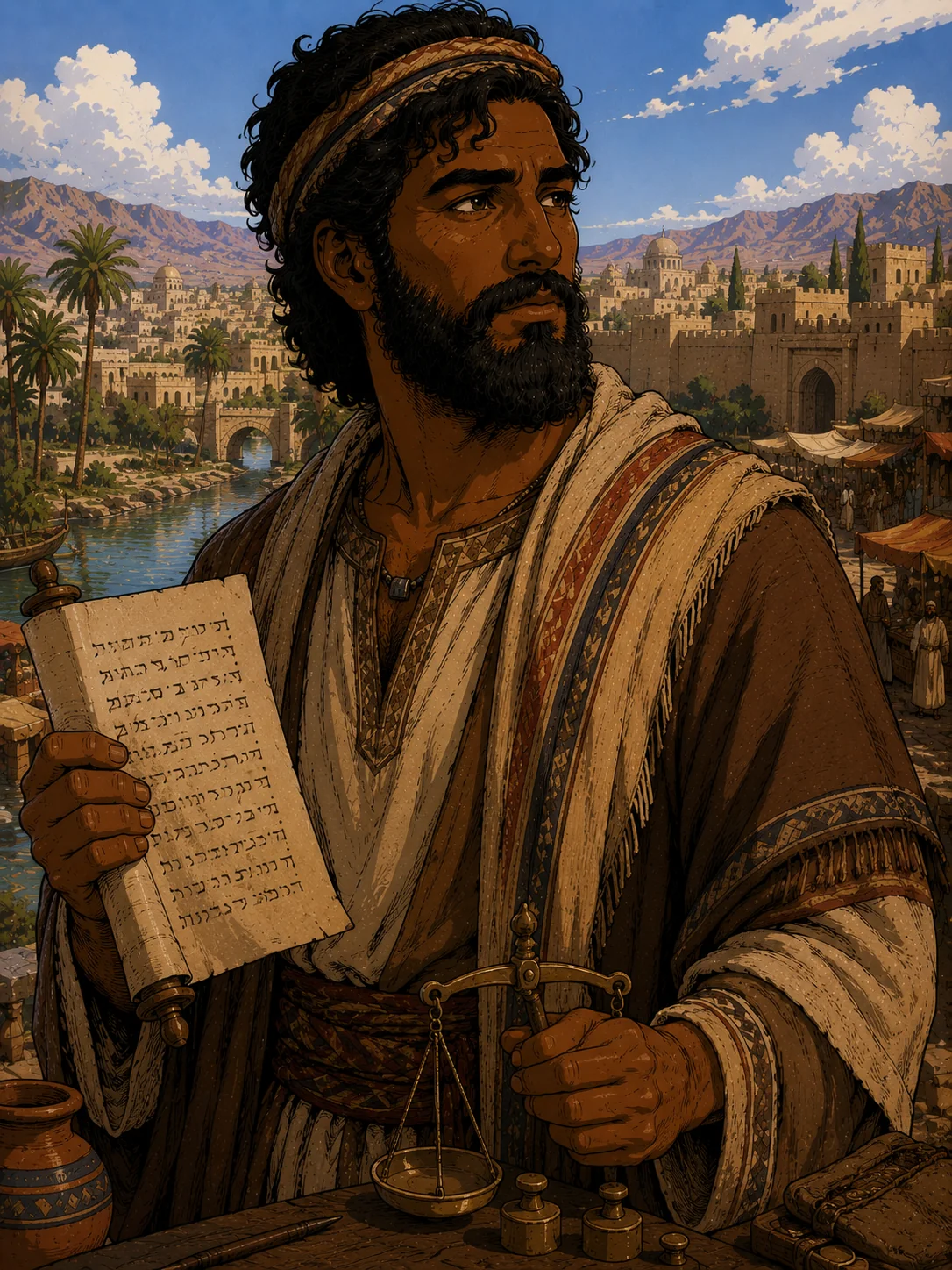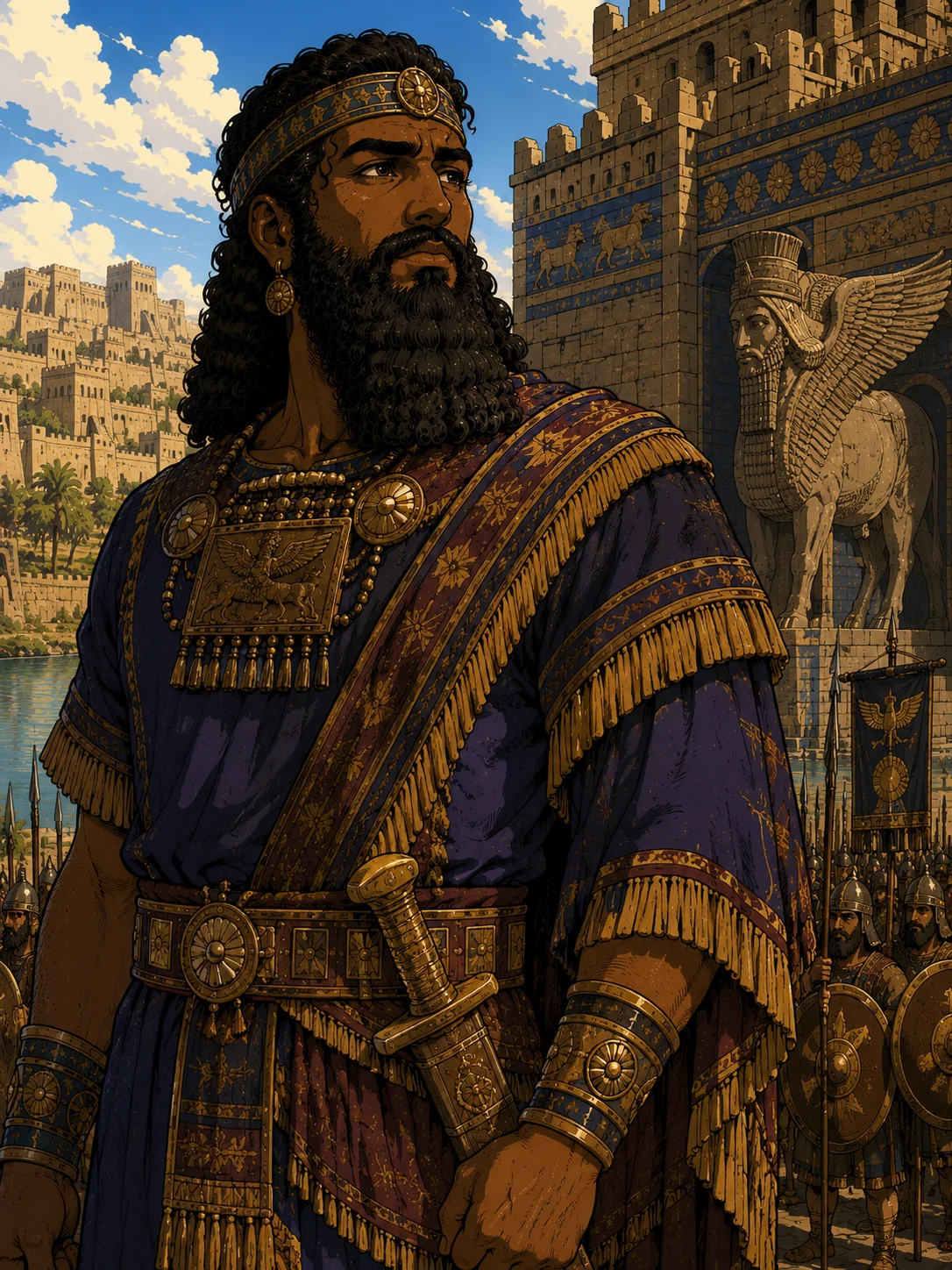
Asshur (אַשּׁוּר) is the second son of Shem and the eponymous ancestor of Assyria. Genesis 10:11 describes him going out from the land of Shinar to build Nineveh, Rehoboth Ir, Calah, and Resen — the great cities of the upper Tigris that would become the Assyrian heartland. Nineveh, the last and greatest of Assyria's capitals, gave its name to the prophetic mission of Jonah and the famous repentance of its population at his preaching.
The Assyrian Empire was the most militarily effective state the ancient Near East had ever seen. Their armies systematically conquered the whole of the Levant, defeated Egypt, and in 722 BCE under Shalmaneser V and Sargon II, destroyed the northern kingdom of Israel — the Ten Tribes — and deported their populations across the empire, an event that reverberates through the prophetic literature as both catastrophe and eschatological expectation. Sennacherib's siege of Jerusalem under Hezekiah (701 BCE) ended only when the angel of the LORD struck 185,000 Assyrian soldiers in the night (2 Kings 19:35), the most dramatic supernatural battlefield intervention in Kings.
Nahum's entire book is an oracle against Nineveh — a reversal of Jonah, calling the city's fall inevitable and righteous. Zephaniah 2:13 promises that God will "stretch out his hand against the north and destroy Assyria." The fall of Nineveh in 612 BCE to the combined forces of Babylon and the Medes fulfilled these words precisely. Asshur's line thus marks the arc from Genesis genealogy through the greatest empire Israel ever faced to prophetic judgment — a complete narrative within the Table of Nations framework.