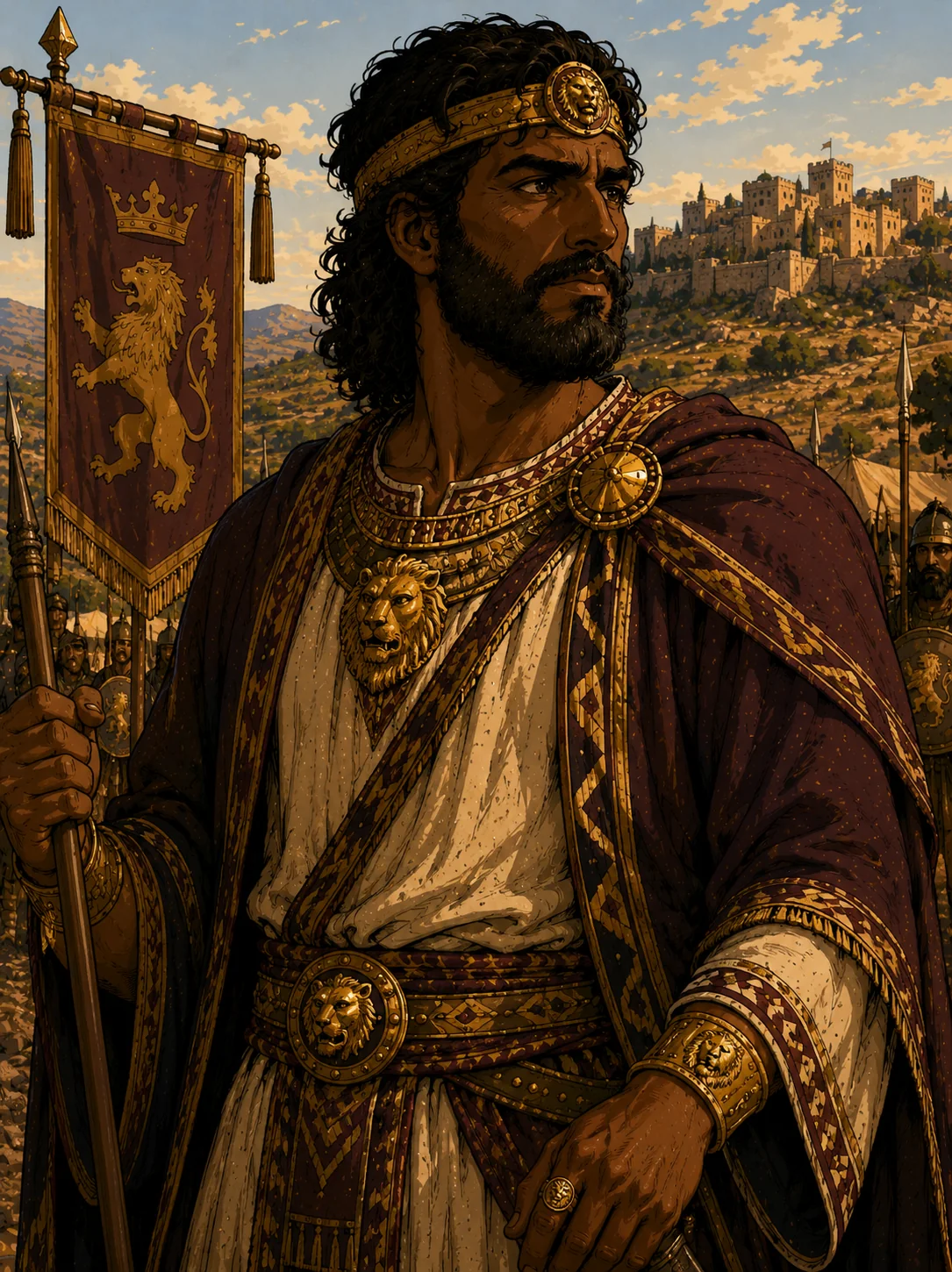
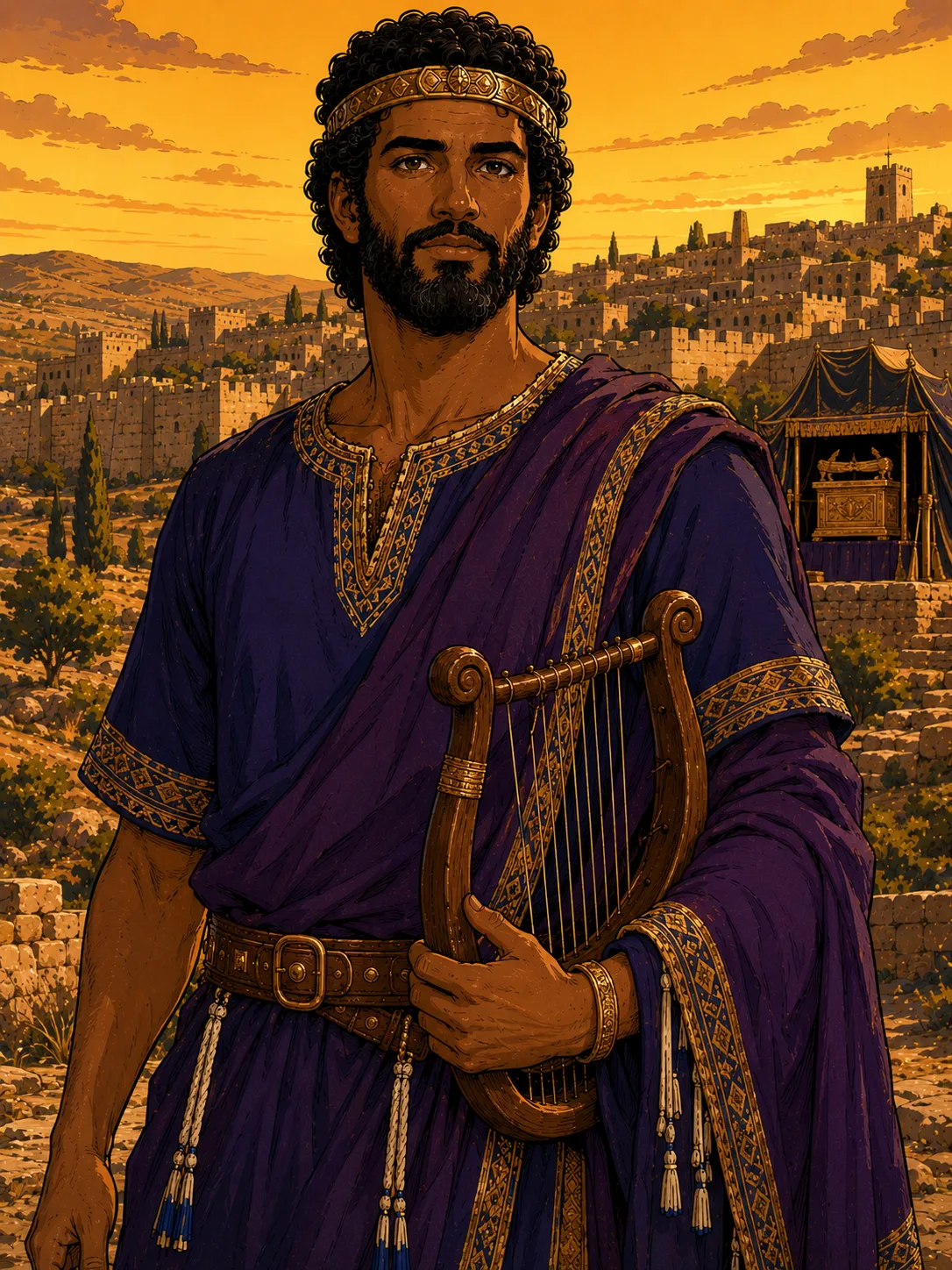
Son of Achaz; reigned 29 years and is recorded in 2 Kings 18:3 as having 'done that which was right in the eyes of Yah, according to all that David his father had done'
2 Kings 18:4 — removed the high places, broke the sacred pillars, cut down the Asherah, and broke in pieces the bronze serpent (Nechushtan) that Moshe had made in the wilderness (Numbers 21:8–9), 'for unto those days the children of Israel did burn incense to it'
2 Kings 18:5 — 'he trusted in Yah the God of Israel; so that after him was none like him among all the kings of Yehudah, nor any that were before him'
Rebelled against Assyria; in his fourteenth year Sancheriv (Sennacherib) invaded Yehudah and besieged its fortified cities — an invasion independently recorded in Sancheriv's own annals (the Taylor Prism), which boast of shutting Chizkiyahu up in Yerushalayim 'like a bird in a cage'
When Sancheriv's field commander mocked Yah before the people of Yerushalayim and sent a threatening letter, Chizkiyahu spread the letter before Yah in the Temple and prayed; through Yeshayahu, Yah promised Sancheriv would not enter the city, and that night the angel of Yah struck down 185,000 in the Assyrian camp (2 Kings 19:14–35)
Fell mortally ill; wept and prayed, and Yeshayahu was sent back to tell him Yah had added fifteen years to his life, confirmed by the sign of the sun's shadow moving backward ten steps on the stairway of Achaz (2 Kings 20:1–11, Isaiah 38)
Showed the full treasury of his house to envoys from Merodach-Baladan of Babylon; Yeshayahu rebuked him and prophesied that everything shown — and some of his own descendants — would one day be carried off to Babylon (2 Kings 20:12–19), foreshadowing what befalls Yechonyahu
Engineered the Siloam Tunnel to bring water from the Gichon spring inside the city walls ahead of the siege (2 Kings 20:20, 2 Chronicles 32:30) — confirmed archaeologically by the Siloam Inscription found inside the tunnel itself
Named in Matthew 1:9–10 (as 'Ezekias')
“He trusted in Yah — none like him before or after; yet he showed Babylon his treasures, and Yeshayahu foresaw what Babylon would later take”
Traditional note: 2 Kings 18:2 / 2 Chronicles 29:1 name Chizkiyahu's mother as 'Avi (Abi/Abijah), daughter of Zechariah' — named in scripture but not modeled as a separate entry in this dataset (see the general note on queen mothers in 'rechavam' and 'maakah-bat-avshalom'). 2 Kings 21:1 likewise names his wife — Menashe's mother — as 'Hephzibah' ('my delight is in her,' a name later used poetically of restored Tzion in Isaiah 62:4); she is not modeled as a separate entry for the same reason. The breaking of Nechushtan (2 Kings 18:4) closes a narrative thread opened in Numbers 21:8–9 over 700 years earlier. This entry is shared with this dataset's planned 'major narrative figures' section — Chizkiyahu's reign generates some of the richest material in Kings/Chronicles/Isaiah, but no separate entry will be created for him there.